
Updated September 29, 2026
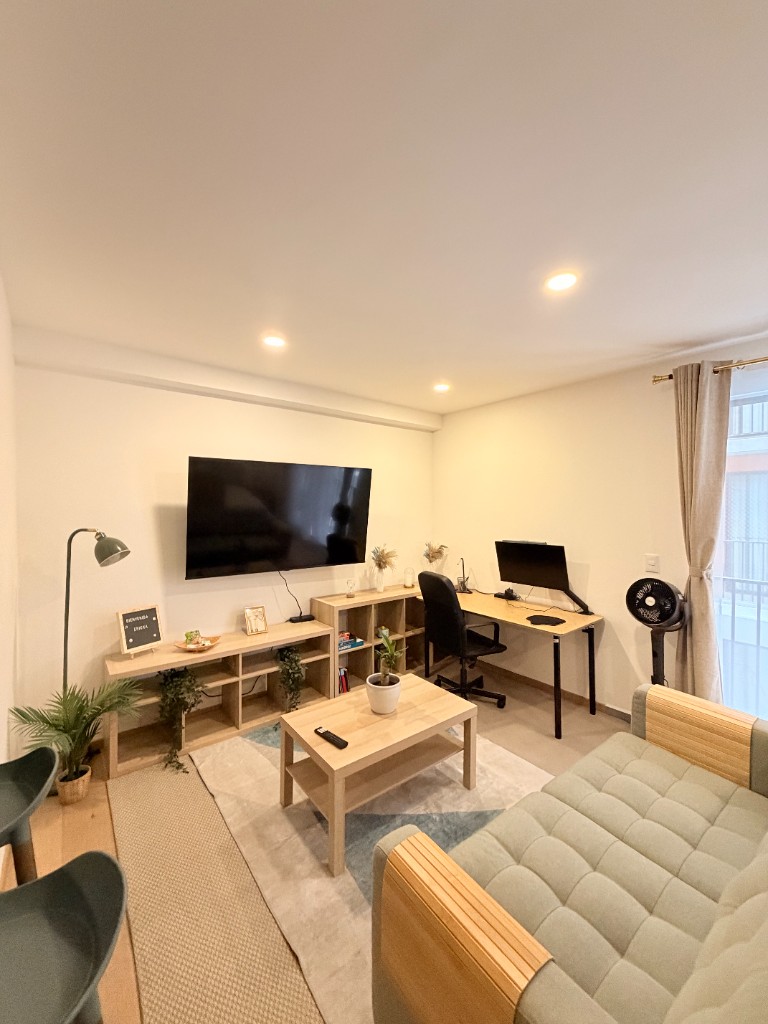
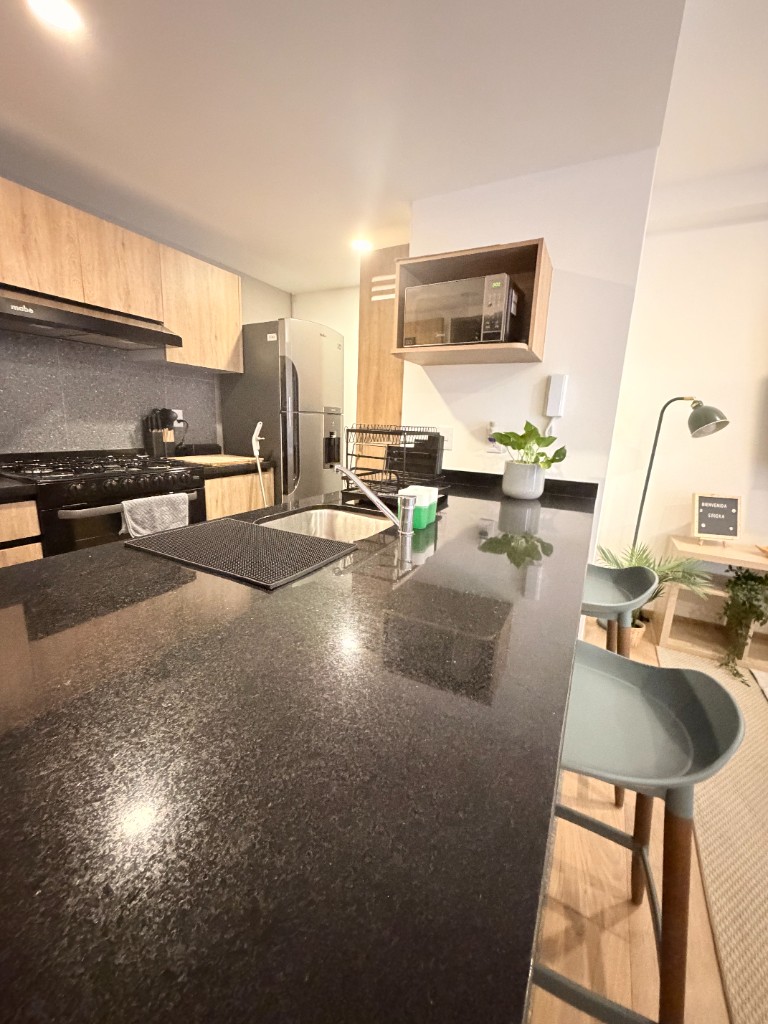
Hospital housing Mexico City means a furnished apartment within 15–25 minutes of Centro Medico, Hospital General, Hospital Infantil, and other major medical centers. You arrive, keys are ready, Wi-Fi is on, and you have a real kitchen and bedroom—not a hotel room that resets every week.
For residents, fellows, consulting physicians, and medical students rotating through Mexico City hospitals, furnished apartments are cheaper than extended-stay hotels, quieter than hostels, and give you the mental space to recover after long shifts.
Choose the path that matches your assignment: medical staff housing in Mexico City for broader clinical and family stays, medical resident housing for rotations, and the hospital stays hub for hospital-by-hospital pages. If one guest also needs a serious home-office setup, compare the Chic Nomad Loft in Roma Norte .
Which hospital are you rotating through? Find your unit below, or contact us with your rotation site and dates.
Hospital locations and apartment matching
Centro Medico Siglo XXI (National Medical Center)
The largest teaching hospital in Mexico. Most rotations happen here. The complex is in Cuauhtemoc, near the intersection of Avenida Paseo de la Reforma and Avenida Cuauhtemoc.
Our closest apartments: Narvarte, 12 minutes by car or Metro Line 2 to Pino Suarez + short taxi.
Best for: Residents in any specialty. Quietest option for recovery between shifts.
See apartments near Centro Medico Siglo XXI .
Hospital General de Mexico
Teaching hospital, public system. Located near Centro Medico but slightly south. Major rotations in surgery, internal medicine, and pediatrics.
Our closest apartments: Narvarte, 15 minutes by car; Roma Norte 15 minutes (walkable if energized).
Best for: Surgery and high-acuity specialties. Close to Centro Medico if you rotate between hospitals.
See apartments near Hospital General .
Hospital Infantil de Mexico Federico Gomez
Pediatric and children’s hospital. Excellence in pediatrics, infectious disease, oncology. Located in northeast sector (Avenida Mexico).
Our closest apartments: Narvarte, 18 minutes by car or Metro Line 1 + Metrobus.
Best for: Pediatricians and pediatric fellows.
See apartments near Hospital Infantil .
Private hospitals: Angeles, ABC, Hospital Angeles
Premium private hospitals serving international patients and expats. Higher pay for visiting doctors. Located in Santa Fe (Angeles, ABC) and Lomas (Hospital Angeles).
Apartments: Roma Norte or Condesa (20–25 minutes), or Polanco if budget allows.
Best for: Consulting physicians and private practice rotations.
Read furnished apartments in Mexico City for Roma and Condesa options, or contact us.
What hospital housing should include
The essentials for recovery
- Quiet bedroom — No thin walls. No nightlife noise outside. You need sleep between shifts.
- Full kitchen — Cook simple meals: pasta, rice, eggs. Hospital cafeterias and late-night tacos are unsustainable.
- In-unit laundry or accessible building laundry — Scrubs, towels, underwear. You can’t hand-wash surgical scrubs.
- Fast Wi-Fi — Stream medical lectures, check research, decompress with Netflix after 24 hours.
- Desk space — Study room for notes, charting catch-up, or online CME.
- Safe neighborhood — You’re tired and in scrubs at odd hours. Stick to Narvarte, Roma, Condesa.
The luxury-if-you-can items
- Gym or building fitness access — Counteract hospital shift stress with exercise.
- Washer/dryer in unit — Don’t want to go to laundry room at 1am before a morning shift.
- Second bathroom — If sharing with another resident, separate bathrooms save friction.
- View or balcony — Mental health matters. Fresh air and natural light cost almost nothing in rent but mean everything.
Cost breakdown for hospital housing in Mexico City
Narvarte (closest to Centro Medico):
- 1BR furnished apartment: $1,200–1,600/month
- 2BR furnished apartment (split with co-resident): $1,500–2,000/month ($750–1,000 per person)
Roma Norte (more walkable, busier):
- 1BR: $1,400–1,800/month
- 2BR: $1,800–2,400/month ($900–1,200 per person)
Condesa (quieter than Roma, still central):
- 1BR: $1,300–1,700/month
- 2BR: $1,700–2,200/month ($850–1,100 per person)
Utilities included: Water, electricity, gas, Wi-Fi (100+ Mbps). Average total: $1,350–1,750/month for a 2BR split by two.
Why furnished apartments beat the alternatives for medical rotations
| Option | Cost (per month) | Vibe | Laundry | Kitchen | Flexibility |
|---|---|---|---|---|---|
| Hotel | $2,400–3,600 | Sterile, reset weekly | Paid service | Mini-fridge only | Fixed checkout |
| Extended-stay hotel | $1,500–2,200 | Still temporary | Paid or coin | Hot plate | Limited flex |
| Shared hostel | $800–1,200 | Social but loud | Shared, unreliable | Communal only | Day-to-day |
| Furnished apartment (ours) | $1,200–1,800 | Real home | In-unit or building | Full kitchen | Month-to-month |
Winner: Furnished apartments. Lower cost, actual recovery space, month-to-month flexibility if your rotation shifts.
How to book hospital housing for your rotation
Step 1: Confirm your rotation site and dates
- Which hospital?
- Specialty and expected duration (3 months? 6 months? Full year?)
- Solo or sharing with another resident?
- Budget comfort range?
Step 2: Tell us your priorities
- Location priority: Shortest commute to hospital? Or willing to trade 5 more minutes for lower cost or quieter neighborhood?
- Quiet priority: Need maximum sleep recovery? Narvarte.
- Social priority: Want to walk to cafes and restaurants? Roma or Condesa.
- Apartment priority: In-unit laundry? Separate bathrooms? Second bedroom for guests?
Step 3: We’ll match you and quote
We’ll provide:
- Unit photos and video tour
- Exact commute time from unit to your hospital
- Monthly cost breakdown (rent, utilities, deposit)
- Check-in logistics
Step 4: Move in and settle
Keys, Wi-Fi password, utility contacts, emergency number—everything ready when you arrive. First night, you cook in your kitchen, sleep in your bed. Actually at home, not in a hotel.
Neighborhoods for medical professionals
Narvarte: Quiet, close to Centro Medico
- Commute: 12–18 minutes to all major hospitals
- Vibe: Quiet residential blocks, local restaurants, parks, supermarkets
- Best for: Anyone who prioritizes sleep and recovery
- Bonus: Cheapest option, other medical residents live nearby
Roma Norte: Walkable, social, busier
- Commute: 15–20 minutes to hospitals
- Vibe: Cafes, restaurants, galleries, bars, younger demographic
- Best for: Residents who want evening energy and walkability
- Warning: Weekend nights can be loud; ask about quiet interior units
Condesa: Balanced, quiet-but-central
- Commute: 18–25 minutes
- Vibe: Parque España at center, cafes, mix of professionals and residences
- Best for: Wanting both calm and walkability
- Bonus: Less tourist density than Roma, more sophisticated
See Condesa in neighborhood guide .
Practical logistics for hospital rotations in Mexico City
Getting to the hospital
Metro: Narvarte and Roma connect to hospital zones via Metro Lines 1, 2, 12. Cost: ~50 pesos (~3 USD) per trip.
Uber/Didi: 5am shift? Uber. Cost: $8–15 depending on traffic and distance. Build this into your budget.
Cycling: Narvarte has improving bike infrastructure. 20-minute bike commute if you prefer.
Parking: If you rent a car, ask us about building parking ($40–80/month) and hospital parking rates.
Safety and logistics
- Keep a copy of your apartment keys at the hospital (in your locker).
- Arrive home via safe routes — Uber after late shifts, not walking alone in scrubs at 2am.
- Get a local phone SIM — AT&T Mexico ($30–50/month) for reliable WhatsApp and calls.
- Open a bank account — BBVA or Santander has quick accounts for foreign workers on temporary visas.
Medical licensing and work permits
We house you, but you’ll need:
- Revalidation or temporary license from IMSS or CONAMED (Mexico’s medical boards)
- Work visa (usually handled by the hospital’s HR)
- Tax ID (RFC) for invoicing and liability
Ask your rotation coordinator or contact an immigration lawyer familiar with medical rotations. We can recommend one.
Hospital housing for families and guests
Bringing a partner or family
2BR apartments can fit couples or families. Kids? Ask about school-friendly neighborhoods. Long-term family stays? Longer lease discounts apply.
Guest room / visiting family
Many 2BR units can serve as guest room during downtime. Keep it furnished for when your family visits during breaks.
Hospital housing: managing medical rotations with remote support
The reality of medical rotations in Mexico City
Rotating through a Mexican hospital is intense. You’re navigating:
- A different healthcare system with unfamiliar protocols
- Spanish-language medical interactions (even if you speak Spanish, medical terminology is deep)
- Long shifts in an unfamiliar building and city
- Cultural differences in patient care and hierarchy
- Jet lag, adjustment to altitude, potential food/water adaptation
A furnished apartment with a good support system removes one layer of chaos.
How to set yourself up for success
Before you arrive:
- Connect with other residents who rotated through the same hospital (ask your program coordinator for names)
- Join the Mexico City medical resident Facebook group or WhatsApp (there’s one—ask around)
- Download offline maps of your hospital and neighborhood
- Get travel insurance that covers Mexico (your US insurance may not)
First week priorities:
- Get settled in the apartment (unpack fully, not living out of suitcase)
- Find the hospital’s employee entrance, locker room, and where you’ll spend most of your time
- Locate the nearest pharmacy and urgent care (for emergencies, if not at your hospital)
- Get a local phone SIM immediately (WhatsApp for all communication)
Ongoing survival tactics:
- Cook 2–3 simple meals on your day off (freeze them for microwaving during call nights)
- Establish a sleep routine aggressively—jet lag + night shifts will mess with you
- Find one local friend or coworker early (not for romance, for sanity checks)
- Exercise or yoga once per week minimum (stress management)
- Leave the hospital on your days off (don’t stay in neighborhood hospital zone)
Mental health during rotations
Medical training is hard anywhere. In Mexico City with a language barrier and unfamiliar system, it’s harder.
Red flags to watch:
- Sleeping more than 10 hours outside of call nights = depression signal
- Skipping meals or eating only street food = you’ve given up
- Not leaving the apartment on days off = isolation
- Vague or frequent “I don’t know if I can do this” thoughts = time to talk to someone
Resources:
- Your rotation program should have a mental health contact—use it
- Expat mental health therapy (online via Talkspace, TherapyDen, or local English-speaking therapists in Mexico City)
- Talk to other residents—everyone struggles. You’re not alone.
An apartment that feels like home (vs. a hotel) is actually a mental health intervention. You can decompress in your own space.
Hospital housing: next steps
Ready to book? Contact us with:
- Rotation hospital and expected duration
- Preferred neighborhood (quiet vs walkable)
- Solo or sharing an apartment?
- Budget comfort range
- Move-in date
We’ll provide a quote, video tour, and move-in logistics within 48 hours.
Still deciding? Read furnished apartments in Mexico City to compare to other options, or ask us about your specific rotation needs.
Common questions? Check hospital stays in Mexico City for the full hospital directory and FAQs.