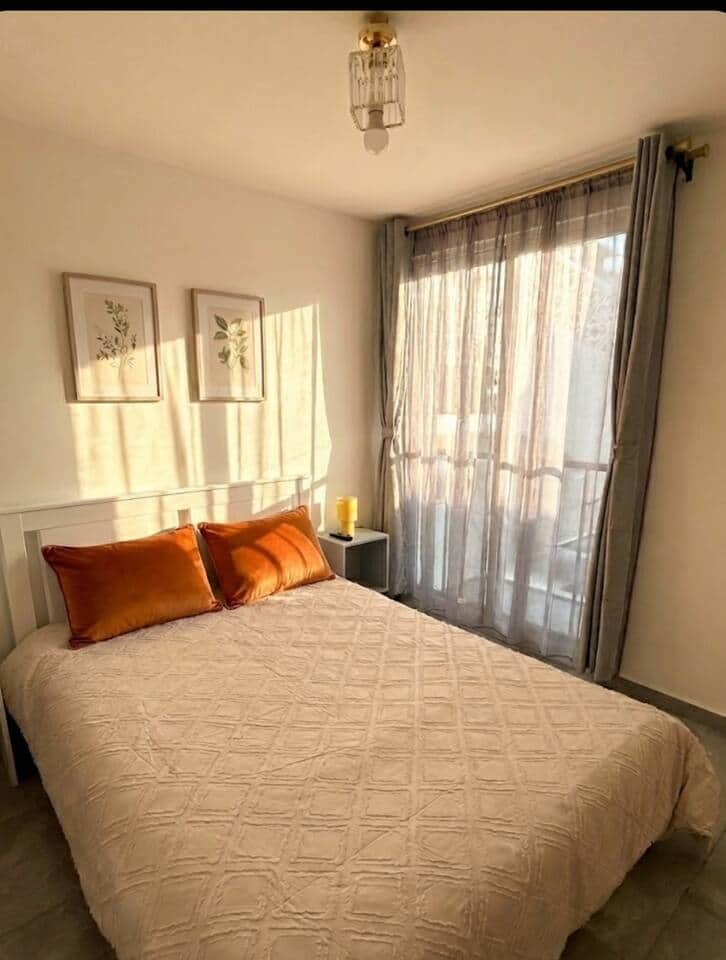
Furnished apartment Mexico City stays work when you want a real home base—kitchen, desk, quiet nights, and Wi-Fi that handles video calls—for 30 days, 90 days, or a full year. Whether you’re relocating for work, rotating through a hospital residency, or building a longer nomad base, Mexico City furnished apartments let you skip the weekly-rental premium and live like you belong.
Start here: If you know your neighborhood, jump to Narvarte furnished apartments , Roma Norte furnished stays , or the full Mexico City neighborhoods for monthly stays . For specific use cases, read corporate housing in Mexico City , hospital housing near major medical centers , or remote work apartments in CDMX .
Why furnished apartments in Mexico City beat short-term hotel cycles
Monthly furnished rental Mexico City guests usually have one thing in common: they’ve stayed in Airbnbs, hostels, or hotels and realized that a real apartment saves money and sanity. Furnished apartments solve three problems at once.
1. Cost efficiency for longer stays
- Hotel rates at $80–150/night stack to $2,400–4,500/month for a decent room.
- Weekly furnished apartments still charge a premium: $1,500–2,500/month for what a monthly lease costs $1,200–1,800.
- Direct monthly furnished apartments skip the broker and weekly markups. You pay once, lock it in, and know your budget.
2. Kitchen and real living space
Furnished apartments include a full kitchen—fridge, stove, oven, counter space. You cook one meal and break even versus eating out every night. Laundry, shared living room, separate bedrooms: features hotels charge $300/night to provide in suites.
3. Flexibility without strings
Month-to-month terms mean you’re not locked into a 6–12 month lease. If your rotation ends early, a job shifts, or a family visit triggers early travel—you go. No broken lease penalties, no angry landlord.
Cost breakdown for furnished apartments in Mexico City
Prices vary by neighborhood, size, and season. Here’s the reality:
| Neighborhood | 1BR Estimate | 2BR Estimate | Best For |
|---|---|---|---|
| Narvarte | $1,200–1,600 | $1,500–2,000 | Remote work, hospitals, value |
| Roma Norte | $1,500–2,200 | $2,000–2,800 | Walkability, cafes, nightlife |
| Condesa | $1,600–2,300 | $2,100–3,000 | Both quiet and social |
| Polanco | $2,000–3,000 | $2,800–4,500 | Business, premium amenities |
Utilities tip: Expect $80–120/month for electricity + water. Internet (included in most furnished units) costs $30–50 if separate. Phone SIM cards are $20–30/month with unlimited data.
Who furnished apartments in Mexico City work for
Remote workers and digital nomads
You need fast Wi-Fi, a quiet desk space, and a routine. Furnished apartments in Mexico City beat coworking + Airbnb because you own your morning and night—no construction noise outside your window at 6am, no surprise checkout fees. Read remote work apartments in Narvarte for the full setup.
Medical professionals rotating through hospitals
Residents, fellows, and consulting physicians need a home close to your hospital. Furnished apartments near the National Medical Center , Hospital General , and Hospital Infantil are within 10–25 minutes by Metro. See hospital housing in Mexico City for the full list.
Corporate relocations and team stays
Companies sending employees for 3–12 months need housing fast. Furnished apartments mean no real estate agent markup, no 6-month minimum, no unfamiliar lease terms. Read corporate housing in Mexico City for how we streamline relocation stays.
Couples, families, and small teams
A 2BR furnished apartment costs less per person than two 1BR rentals. Shared kitchen, shared living room, separate bedrooms = no “I need quiet” friction. Perfect for couples splitting cost, teams doing remote sprints, or families getting a year abroad.
How to choose the right furnished apartment in Mexico City
Step 1: Pick your neighborhood
Budget tight? Narvarte offers the best value without isolation—close to hospitals, markets, parks, and Metro.
Want to walk to cafes and coworking? Roma Norte has density. Shops, restaurants, language schools all within 10 minutes on foot.
Want both? Condesa splits the difference—quieter than Roma, busier than Narvarte.
Business or premium? Polanco is corporate Mexico City—near offices in Santa Fe and Reforma, higher cost.
Still deciding? Read Mexico City neighborhoods for monthly stays for a detailed comparison.
Step 2: Confirm Wi-Fi and work setup
Ask for fiber-class internet (not cable). Video calls on 5 Mbps are a nightmare. Most StayWork units have 100+ Mbps. Confirm desk space—a shared table is not the same as a dedicated desk.
Step 3: Check proximity to your anchor (hospital, office, airport)
- Hospital staff: Confirm your unit is within 20 minutes of your rotation site.
- Corporate teams: Verify commute to office in Santa Fe, Reforma, or Polanco.
- Frequent flyers: Benito Juárez International is 20–30 minutes from most central neighborhoods by Uber.
Step 4: Lock in the lease term and rate
Month-to-month is standard. Longer stays (3, 6, 12 months) often unlock discounts—ask. Confirm what utilities are included, what you pay separately, and the cancellation policy.
Neighborhoods & logistics for furnished apartments in Mexico City
Getting around
Metro and Metrobús are the backbone. A monthly card (Tarjeta Puro Transporte) costs ~$50 USD and covers unlimited rides. From Narvarte, you reach:
- Centro Historico: 20 minutes
- Roma/Condesa: 15 minutes
- Polanco: 20 minutes
- Benito Juárez Airport: 30 minutes
Uber/Didi for late nights or direct routes. Usually $5–12 per ride in central zones.
Cycling: Mexico City has expanding bike infrastructure. Narvarte and Roma are bikeable.
Neighborhood essentials
All central neighborhoods have:
- Supermarkets: Soriana, Elektra, Coppel. Local mercados are cheaper.
- Pharmacies: Farmacia Guadalajara, Farmacia del Ahorro. Open late.
- Banking: BBVA, Santander, HSBC. Withdraw cash in smaller amounts; ATM limits are $300–500 USD/day.
- Healthcare: Government hospitals are cheap; private clinics are expensive. Confirm your insurance before rotating.
Seasonal considerations
Rainy season (May–September): Bring rain gear. Flooding in low-lying areas is rare but possible. Most furnished apartments are on higher floors.
Earthquakes: Mexico City sits on a seismic zone. Buildings are designed for it. Standard precautions: know where exits are, practice drills.
Air quality: Winter (November–February) can see higher pollution. Brings cool nights (nice for sleep). Summer is humid but clear.
Furnished apartments near specific destinations
Near hospitals (for medical rotations)
- Apartments near Centro Medico Siglo XXI — the national medical center
- Apartments near Hospital General — teaching hospital
- Apartments near Hospital Infantil — pediatrics
Full list: Hospital stays in Mexico City .
By neighborhood
- Furnished apartments in Narvarte — quietest, best value
- Furnished apartments in Roma Norte — walkable, cafe-dense
- Apartments in Condesa — balanced
- Corporate housing in Mexico City — for company relocations
Seasonal patterns and when to book furnished apartments
Mexico City has no “season” in the tropical sense, but your comfort and cost vary by month.
High season (November–February)
Weather: Clear skies, cool nights (55–70°F). Excellent for sleep and energy.
Cost: Rates higher during Christmas/New Year (December 15–January 5). Plan 10–15% higher rent if booking then.
Who arrives: Corporate assignments (post-holiday reshuffles), medical residents (July rotations end, new cohorts arrive January), remote workers (escape Northern Hemisphere winter).
Advice: Book 2 months ahead if December arrival. Winter rates lock in fast.
Rainy season (May–September)
Weather: Humid, afternoon rains (usually 1–2 hours, not all day). Green and lush. Nights cool from rain.
Cost: Rates drop 5–10% May–August. Fewer tourists, more locals.
Who arrives: Summer family visits, people who like green, humidity-tolerant folks. Medical rotations slow (July–August are slow teaching hospital months).
Advice: Rains are predictable and brief. Not a reason to avoid. Budget for ceiling fans or AC if you’re heat-sensitive. Humidity can spike mold in old units—check bathroom ventilation.
Shoulder seasons (March–April, October)
Weather: Warm days, cool nights. Transition periods.
Cost: Moderate rates. Good value month.
Who arrives: Business travel, spring break visits, early-year assignments that aren’t time-locked.
Advice: Best rates and weather. Book these months if flexible.
Safety and security in furnished apartments
Furnished apartments in Mexico City are safe when you’re strategic. Here’s what security looks like in practice.
Building and neighborhood factors
Secure buildings have:
- Entry control: Locked main door with intercom or card access (not open lobbies)
- Security guard or camera: At least someone watching the entrance
- Separate mailbox area: Not on the street level where strangers can linger
- Elevator or stairs not visible from street: Prevents street-level surveillance of who lives where
Safe neighborhoods (where our units are):
- Narvarte: Residential, mixed income, family-heavy. Safer than tourist zones.
- Roma Norte: Walkable and busy = eyes on the street. Nightlife can be loud but people around. Generally safe.
- Condesa: Quiet residential, parque-centered. Feels safer than Roma but less animated at night.
- Polanco: Highest security, most upscale, lowest street crime.
Avoid: Neighborhoods that feel empty at night or have active nightlife on your street (you want sleep).
Personal safety practices
Smart visitor behavior:
- Use Uber/Didi after dark, not walking alone in scrubs or work clothes at midnight
- Don’t display expensive tech (laptop left in car, expensive watch at home)
- Keep doors locked, especially if you share an apartment
- Know your building’s emergency contacts and procedures
- Carry a photocopy of your passport, not the original
Apartment-specific:
- Check locks on doors and windows at move-in (ask landlord to fix broken ones)
- Don’t give keys to people you don’t know well (no “just a friend visiting”)
- If something breaks, call landlord directly—don’t let random repair people in
- Report suspicious activity to building security immediately
Street-level awareness
Mexico City is not dangerous in central neighborhoods, but it’s a big city. Standard precautions:
- Avoid displaying jewelry, cameras, or expensive phones openly
- Don’t walk alone in unfamiliar areas late at night
- Stick to well-lit streets when walking
- Trust your gut—if a situation feels off, take an Uber instead
Bottom line: Stay in Narvarte, Roma, or Condesa. Be aware like you would in any major city. You’ll be fine.
Furnished apartments: the practical next steps
Ready to book? Contact us with:
- Your arrival and departure dates
- Preferred neighborhood(s) and must-haves (quiet, near hospital, close to office, etc.)
- Budget range and number of guests
- Wi-Fi speed requirements if you’re working remotely
We’ll match you with available inventory, confirm utilities and lease terms, and arrange a video tour before you commit.
Still comparing? Read furnished vs unfurnished apartments in CDMX to understand the trade-offs, or jump to corporate housing in Mexico City if you’re relocating with a team.