After visiting Teotihuacán, I do not understand why it is not talked about more often as one of the most impressive places in the world, or why it gets filed away as just another day trip from Mexico City. Some places are famous for how they look in photos, others for their history. What got me at Teotihuacán was the scale and the detail, and the rare feeling that what you are seeing is far bigger than you expected.
I went thinking it would be a nice Sunday plan. I left thinking it should be considered one of the great modern wonders, one that somehow never got officially crowned.
Our trip started at 9 AM on a Sunday
We left around 9 in the morning with a few other people and took an Uber from Parque México in Mexico City.
We got lucky with the ride: a comfortable Ford SUV and a very kind driver, who even let us charge our phones on the way. That turned out to be useful on a long day of photos and videos.
The trip took about an hour and a half, and the fare was roughly 500 Mexican pesos, which felt worth it for a group.
The first surprise: it already felt busy
Because it was Sunday, cars were already lined up at the entrance when we arrived, and we had to walk around 200 meters to reach it.
My wife, who is Mexican, collected all of our IDs and handled the tickets for us; I have permanent residency in Mexico. The entrance process felt surprisingly relaxed that day, almost as if things were moving more freely than expected.
What hit us right away was the weather. It was very sunny, and the heat was no joke.
Vendors near the entrance were already selling water, and I strongly recommend buying some. On a bright day like ours the sun drains you fast, and you do not want to explore this place dehydrated.
A woman selling hats told me something I didn’t believe
At one point near the entrance, a woman selling hats said something like, “You’ll spend three hours in there.”
I remember thinking, No way. From here it looks small. That was my first mistake.
Teotihuacán feels bigger with every step
Once you enter, the layout is a little disorienting. The site is a massive open space, full of wide platforms, long paths, and geometric structures that keep stretching farther than you expect.
You are also constantly moving up and down: you walk, climb a few steps, go down again, walk more, and climb again. It is not especially difficult, but it makes the visit feel physical, and slowly the scale starts to sink in.
My favorite pyramid was the first one
The pyramid closest to the entrance, the Pyramid of the Feathered Serpent, was for me the most beautiful of them all, and it is where Teotihuacán really grabbed me.
What sets it apart is the detail. You can still clearly see carvings of serpents and jaguar figures in the stone, and after all this time the craftsmanship holds up in a way that feels almost unreal.
The climb here is very short, less than a minute, because you step up onto a kind of raised platform that lets you face the pyramid instead of climbing the pyramid itself.
That setup is what makes it unforgettable. When you come down and the pyramid stands directly in front of you, it rises there with an elegant, powerful presence that feels almost theatrical.
Then the avenue opens up, and everything changes
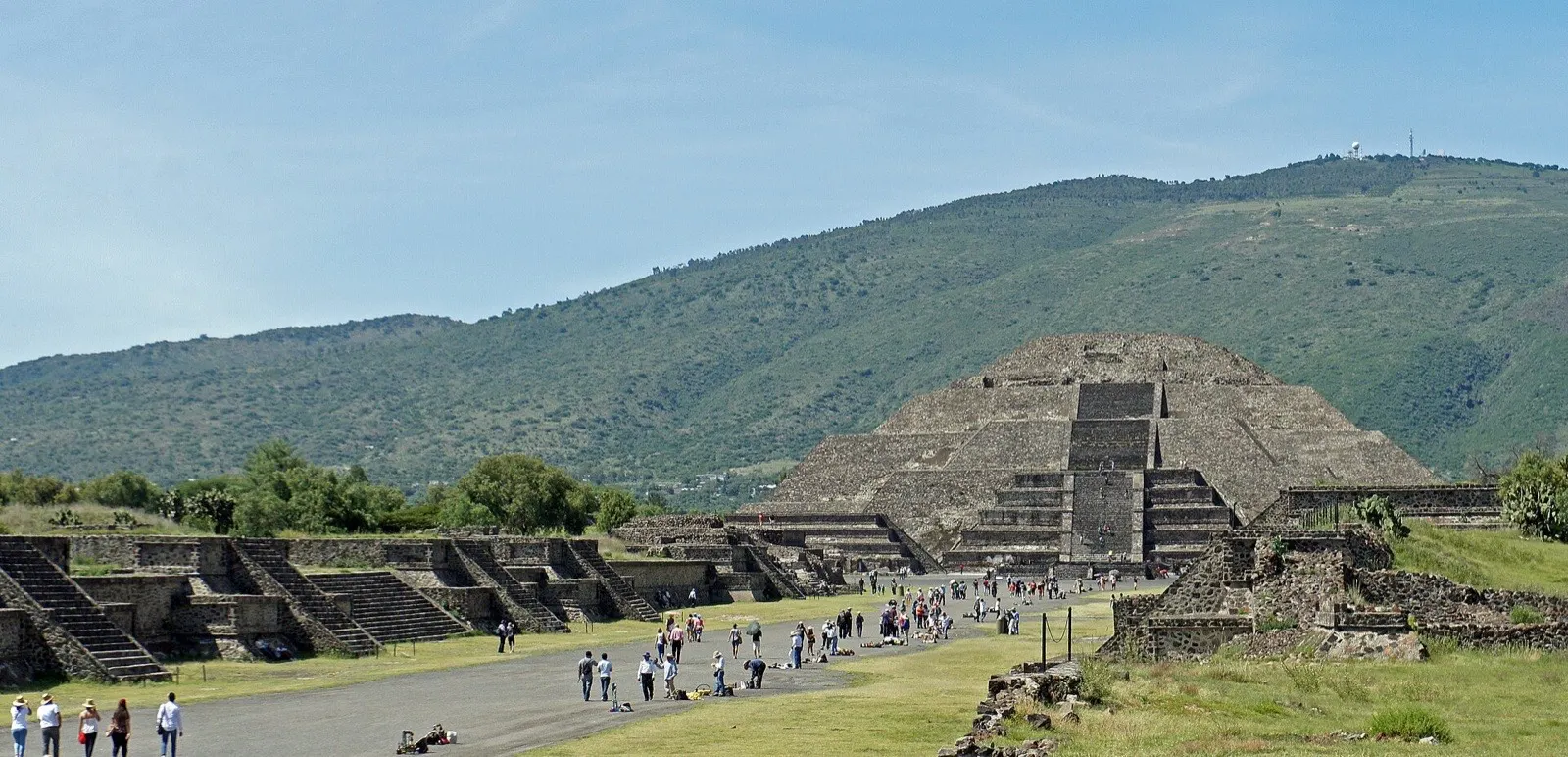
After that first section, you return to the main central area, and the full size of Teotihuacán starts to show.
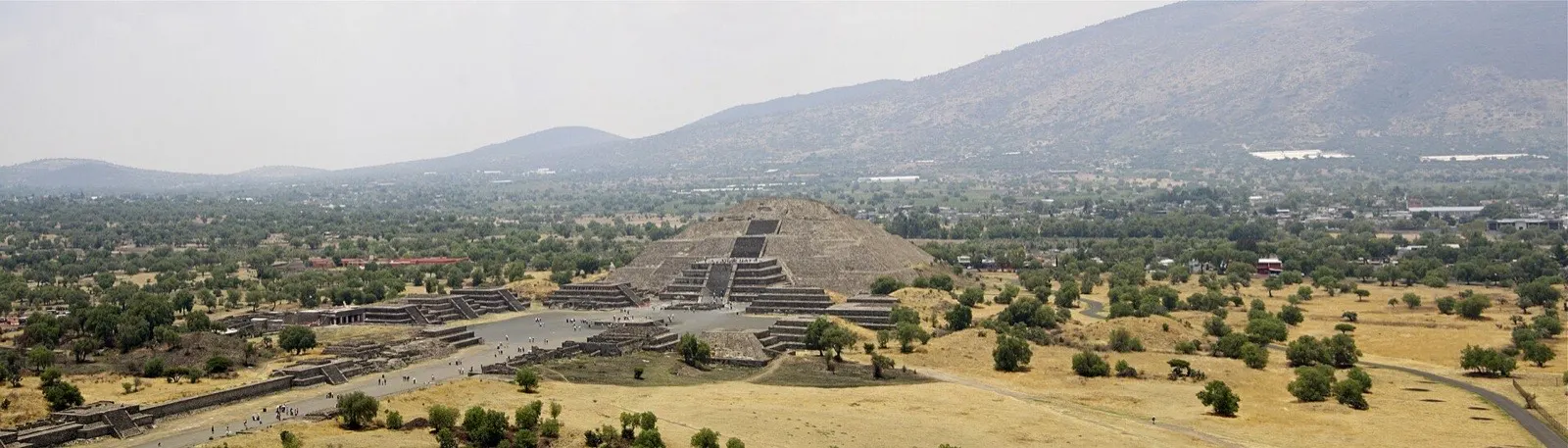
A huge open avenue stretches ahead of you, so long that it almost plays tricks on your sense of distance. The Pyramid of the Moon stands at the far end, and from that point on the whole site feels monumental in a different way.
I would estimate that central stretch to be around 1.2 kilometers long, and walking it under the sun is part of the experience: you feel how deliberately this ancient city was designed to impress.
The Pyramid of the Sun is enormous even from below
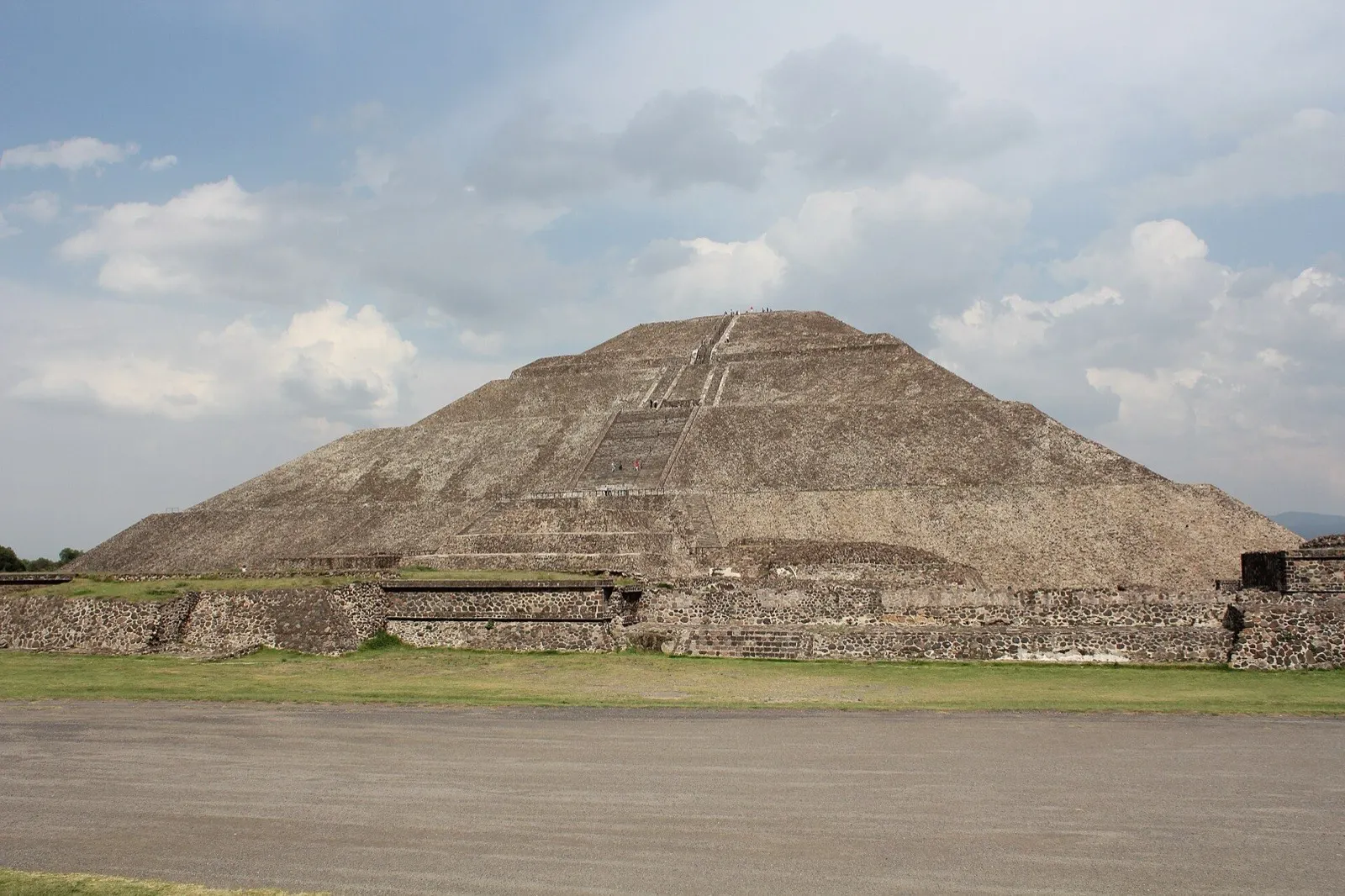
Before reaching the Pyramid of the Moon, you come across the Pyramid of the Sun. It is massive, and even without climbing it, it dominates the landscape in a way that makes you stop and stare. We took a lot of photos there, partly because the weather was perfect and the light made everything look incredible.
Guards watch the restricted pyramids: both the Pyramid of the Sun and the Pyramid of the Feathered Serpent are now off limits for climbing. They are being protected, which makes sense to me, since preserving them matters more than forcing access.
At the moment, the only major pyramid you can still partially climb is the Pyramid of the Moon.
The climb to the Pyramid of the Moon is short, steep, and worth it
It looks impressive from far away and even more striking as you get closer. Before you reach it, a small raised mound gives you one of the best photo spots on the site, especially for capturing the central avenue.
The climb is not extremely long, but the steps are steep and wide, which makes it more challenging than it first looks. There must be around 100 steps, and at a decent pace it takes about 4 to 5 minutes.
Going up is manageable, but going down is harder. A lot of people need to use the handrail, and you quickly see why: the steps force you to pay attention, and on the way down people almost take turns because everyone wants to descend carefully.
The best photo spot is at the top left corner
The top section is crowded with people trying to take pictures, but for me the best position is clear: if you are facing the valley, the left corner gives you the strongest angle.
From there, the whole place comes together. The central avenue stretches out in front of you, the Pyramid of the Sun sits off to the left, and the mountains fill the background. The view makes the site make sense, because the monuments stop looking isolated and start looking like the remains of a civilization.
On both sides, there are stone mounds that I believe were once homes or residential structures, and the wider view gives you a much stronger sense of what this place must have been like when it was alive.
If you want your most memorable photo of the day, take it here.
One of the most surprising parts comes at the end
After coming down from the Pyramid of the Moon, we headed to the right and found a series of rooms and excavated spaces that were among the most surprising parts of the visit.
Inside, you can see restored murals and traces of original paintings, including reddish tones that remind you these pyramids were not always bare stone and were once much more colorful.
That detail stayed with me because it changes how you imagine the entire city. It feels less like a silent archaeological site and more like the remains of something that was once decorated and alive.
Ice cream, souvenirs, and a perfect ending
Near the excavated areas, small stands by one of the exits sell ice cream and souvenirs, which felt very welcome after all the walking and the heat.
We then walked toward Exit 3, where there is a traditional Mexican restaurant that I highly recommend. The food was delicious, and after hours in the sun, sitting down for a proper Mexican meal felt like the perfect way to end the visit.
The ride back was longer
For the return trip, we ordered a normal Uber rather than Comfort, and because it was Sunday afternoon, there was noticeably more traffic. The ride back took us almost two hours.
Even with the extra traffic and the tired legs, I left with the same question in my head: how is this place not considered one of the great wonders of the modern world?
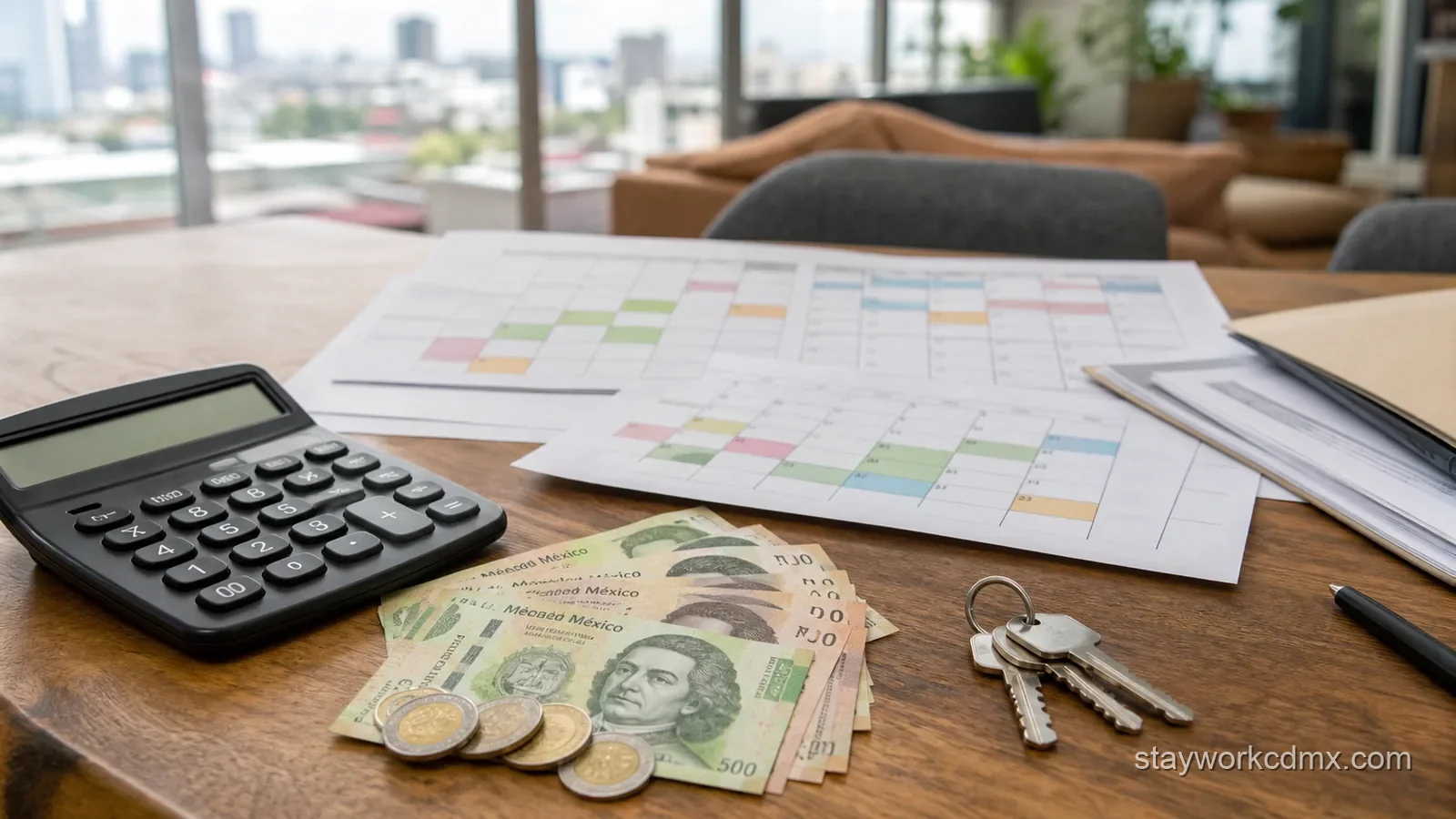
Planning your Teotihuacán day trip from Mexico City: costs and timing
If our Sunday sold you on going, here is what a Teotihuacán day trip from Mexico City actually costs and when to go.
| Item | Cost (MXN) | Notes |
|---|---|---|
| Uber/DiDi from Roma Norte or Condesa, one way | $500–$600 | About 1–1.5 hours; comfortable for 3–4 people sharing |
| Return ride (Sunday afternoon) | $500–$700 | Traffic is heavier; ours took almost two hours |
| Site entry, per person | ~$100 | Cash is safest; bring IDs for any resident discounts |
| Water and snacks from vendors | $50–$150 | Buy water at the entrance — you will need it |
| Hat, if you forgot yours | $100–$200 | The vendors know exactly who forgot one |
| Restaurant meal near Exit 3 | $200–$400 | Worth every peso after hours in the sun |
For a group of three or four sharing the rides, that lands around $700–$1,000 MXN per person for the entire day, which is less than most guided tours charge and comes without the multi-stop hotel pickups.
A few timing lessons from our visit:
- Leave by 9 a.m. at the latest. Earlier is better. The site opens at 8 a.m. (it typically closes to new entries mid-afternoon), and the difference between morning and midday sun on those stairs is enormous.
- Sundays are the busiest day. Entry is free for Mexican residents on Sundays, so the site is lively and full of families, with great energy and longer lines. Go on a weekday if you want emptier platforms for photos.
- Believe the three-hour estimate. The hat vendor was right. Between the Feathered Serpent complex, the 1.2-kilometer avenue, the Pyramid of the Moon climb, and the murals, three hours on site is the minimum.
- Plan nothing demanding afterward. If you work remotely and Monday is a workday, this is your one heavy anchor for the weekend. Our weekend Mexico City itinerary for remote workers builds the whole Friday-to-Sunday plan around this tradeoff.
Where to stay in Mexico City for this trip
Where you base yourself changes the day more than you would expect, because the ride to Teotihuacán leaves from your front door.
We left from Parque México in Condesa, and the central neighborhoods are where you want to start from: pickup is easy, the highway access north is reasonable, and you come home to restaurants and quiet streets when your legs are done.
If you are visiting for more than a few days, or working remotely and turning the trip into a monthly stay, here is how we would choose:
- Roma Norte puts you in the café-dense core with the easiest logistics for day trips like this one. Browse Roma Norte monthly stays for furnished options with real workspaces.
- Narvarte is calmer and noticeably cheaper, with excellent Metro access, and it is the neighborhood we recommend to guests who want value on a longer stay. Our Narvarte furnished monthly apartments page shows current pricing, and the Narvarte guide for remote workers covers the day-to-day routine.
- Still deciding? The ranked guide to the best neighborhoods in Mexico City for remote workers in 2026 compares the whole map on costs, noise, transit, and workspace quality.
Another angle on Teotihuacán (on X)
Same city, same kind of Sunday energy, and worth a scroll:
Final thoughts
I strongly recommend this trip to anyone spending time in Mexico City.
Teotihuacán is one of those rare famous archaeological sites that feel larger than the story you were told about them, and it keeps revealing itself as you walk, climb, pause, and look again.
For me, it is easily one of the great wonders of the modern world that never got officially chosen.
I expected a nice day trip and got one of the most unforgettable travel experiences I have had in Mexico.
Staying in Mexico City before or after this trip? We host furnished apartments in Roma Norte and Narvarte. See StayWork CDMX .