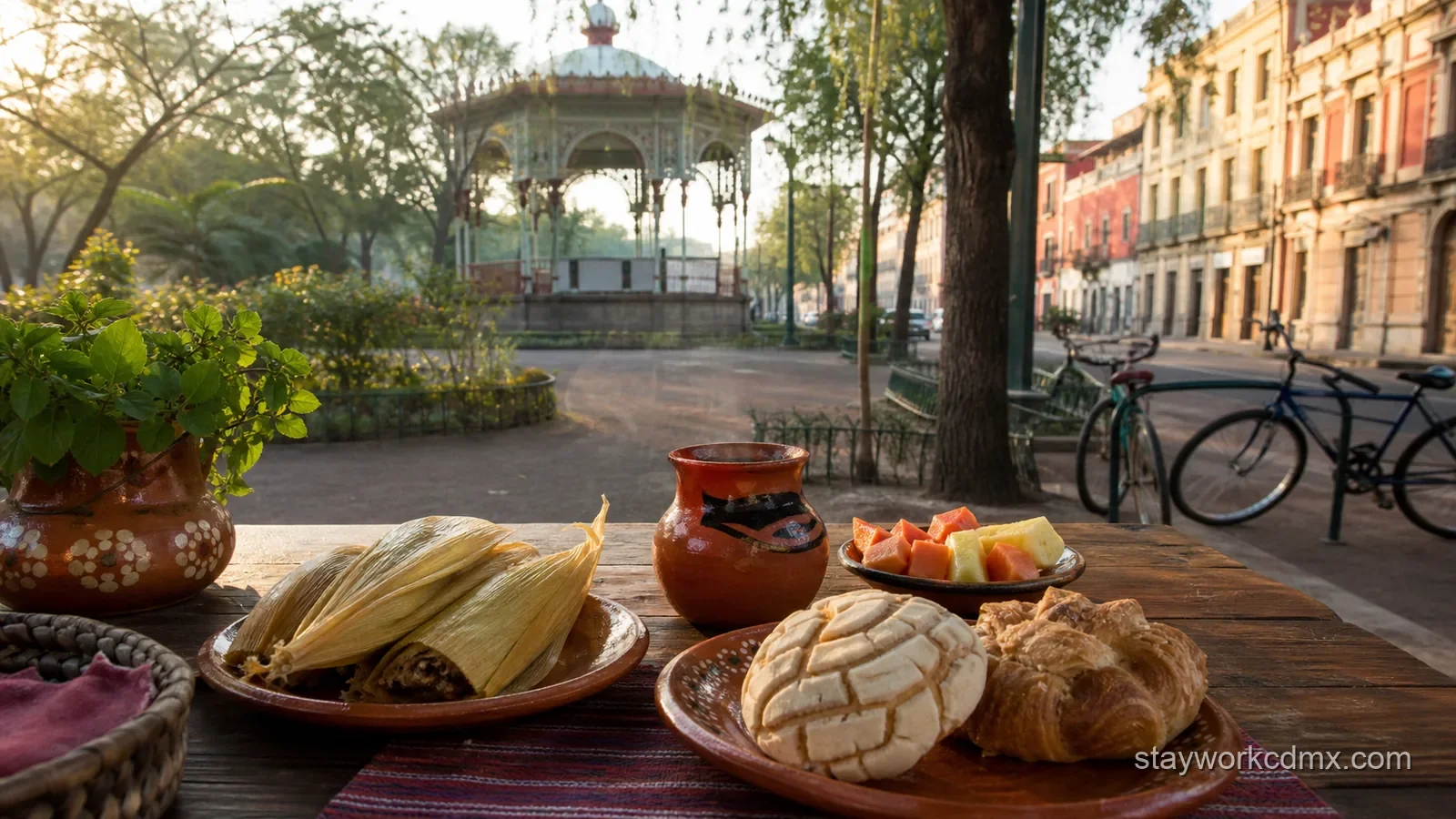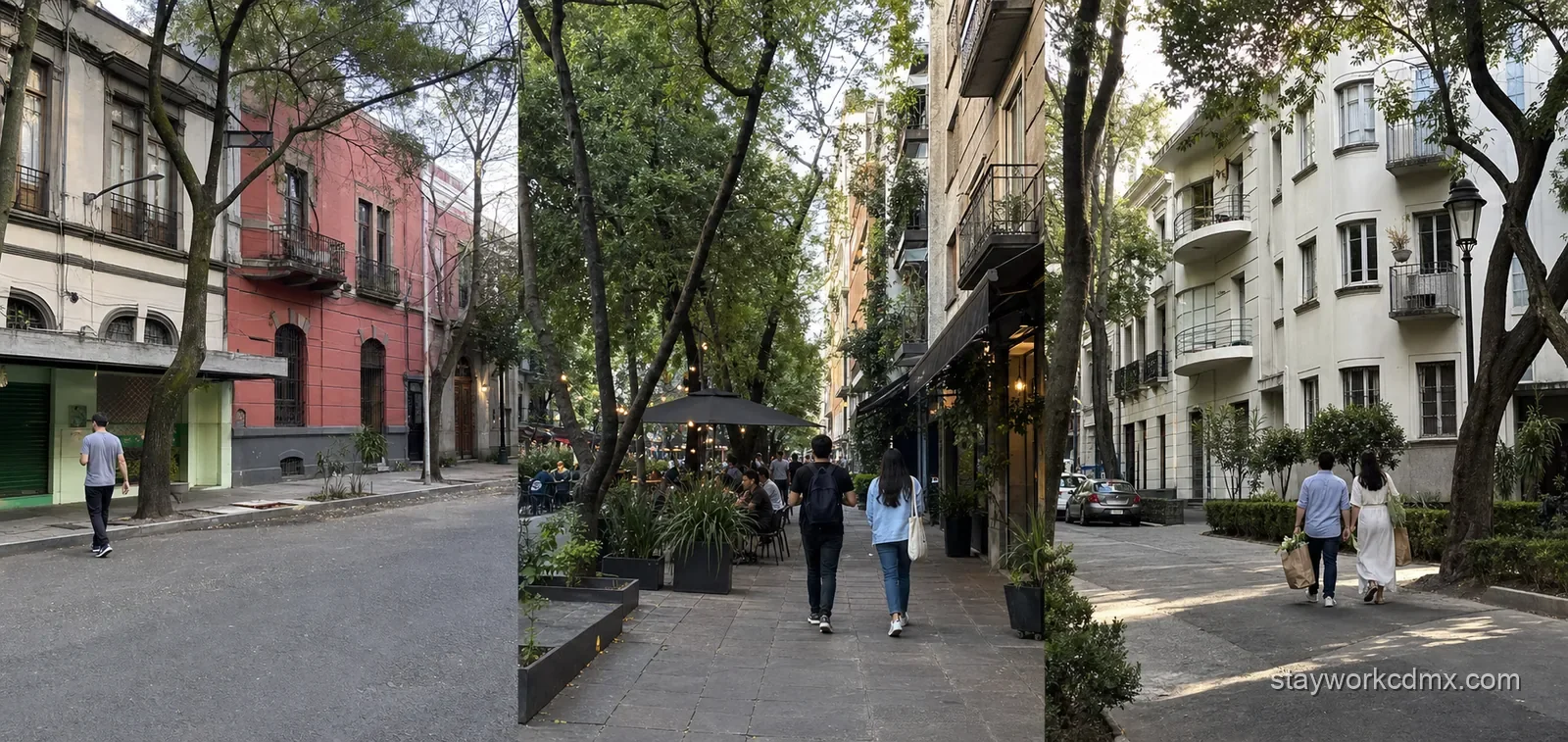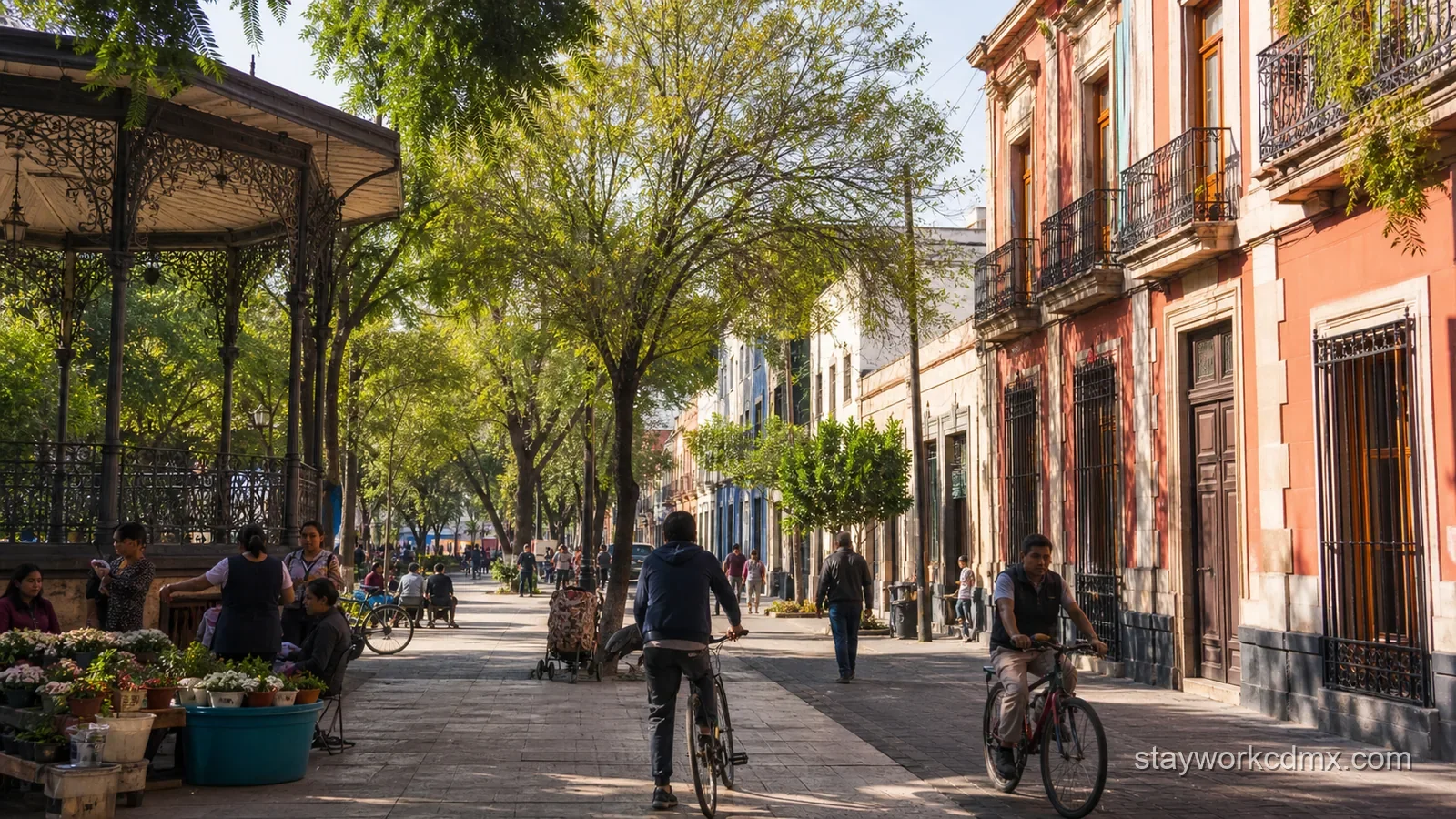
Santa María la Ribera is a local, central-north base where walking and transport work together. The neighborhood suits guests who want daily errands, the Alameda and market life without paying for a Roma Norte address. For long stays, its historic streets and older buildings mean you should check the last 300 metres and the apartment entrance carefully.
Pair this guide with Santa María la Ribera monthly cost and routine and the food guide before booking.
Quick answer
How accessible is Santa María la Ribera for a long stay?
The answer in one table
Santa María la Ribera transport and accessibility fit
| Need | Best option | Check before booking |
|---|---|---|
| Reforma/Centro | San Cosme or Line 2 connections | Station entrance and crossing |
| Buenavista | Walk or connect through Line B/central routes | Distance with luggage and late return |
| Local errands | Walking, market and neighborhood shops | Uneven paving and curb cuts |
| Mobility needs | Taxi to a lift-served building plus verified station | Steps, sidewalk and elevator status |
| Long-stay routine | Local radius reduces daily rides | Apartment desk, laundry and water access |
San Cosme, Normal and Buenavista
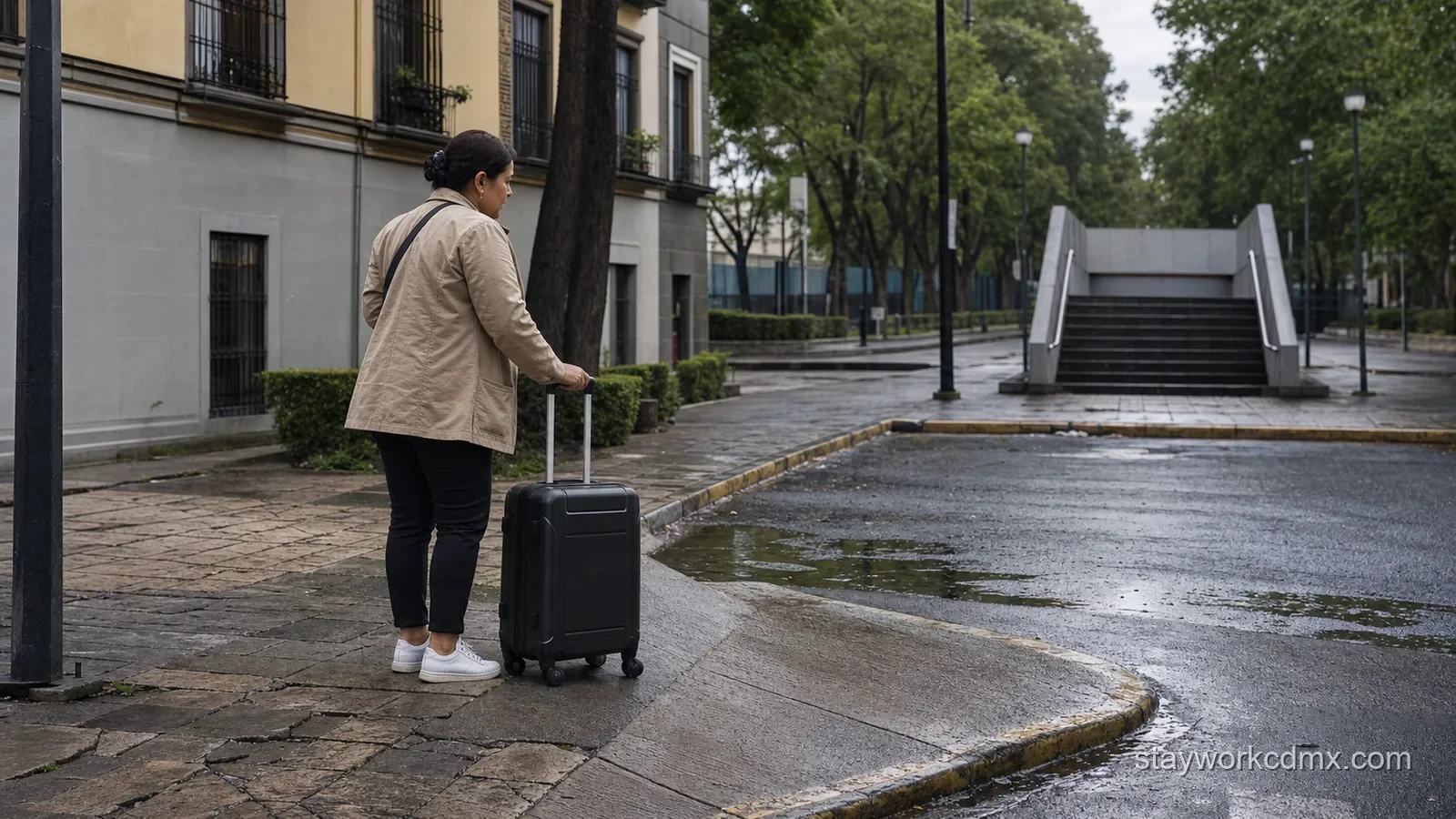
Metro fare is MXN 5. Line 2 stations San Cosme and Normal can serve different parts of the neighborhood, while Buenavista adds connections toward central and northern destinations. Use the Metro network and current station pages to plan by direction of travel rather than picking the station with the shortest straight-line distance.
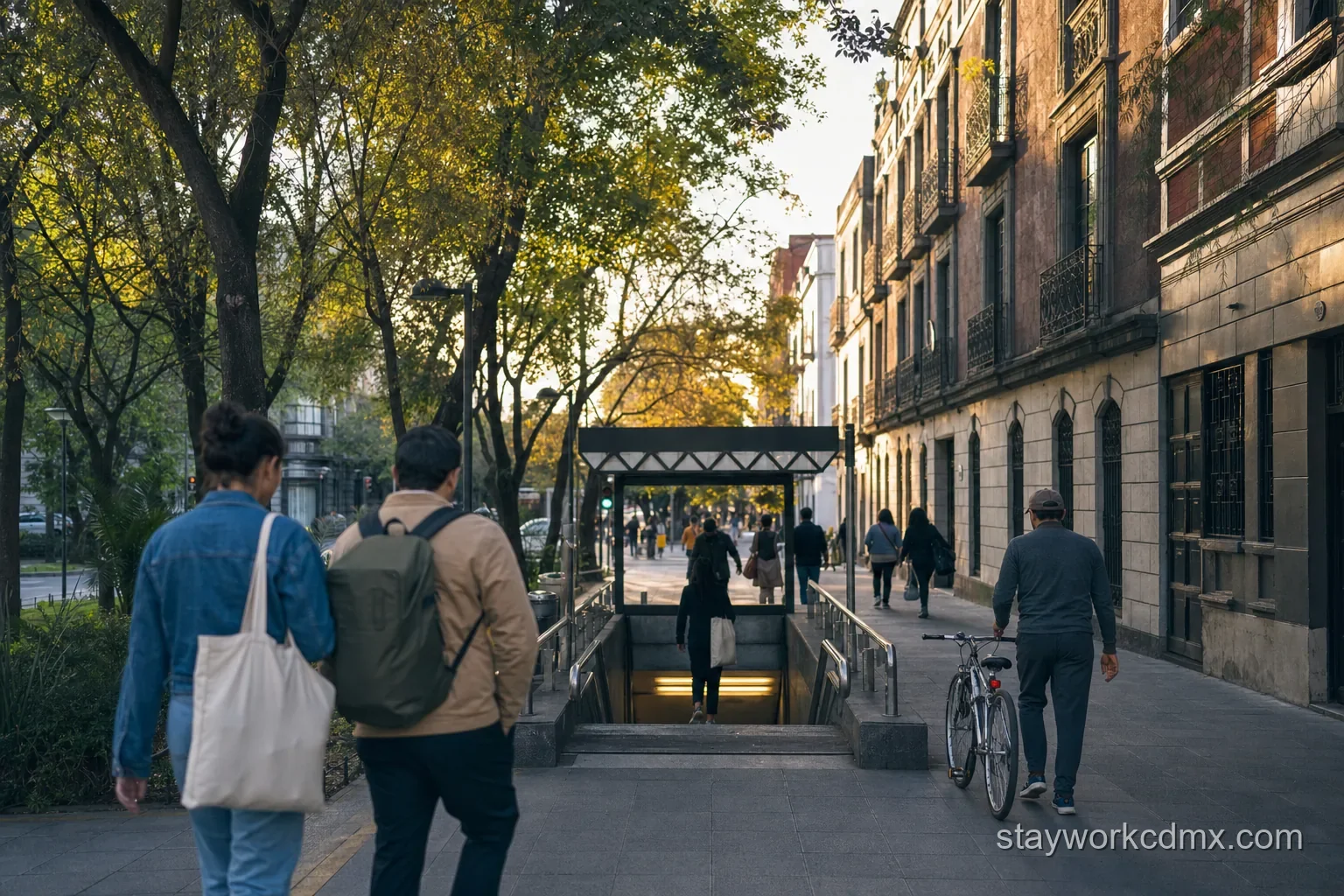
Metrobús costs MXN 6, and its payment page sets out the official same-direction transfer rules. A long-stay guest can keep public transport inexpensive but should budget rideshares for arrival, heavy groceries, rain and late returns.
Accessibility in historic streets
Anyone who relies on lifts or stair lifts needs the Metro accessibility equipment page . Check the exact station and direction immediately before travel. At street level, ask about high curbs, uneven paving, market activity, construction and parked cars.
The building matters just as much. Confirm steps from the sidewalk, elevator dimensions, bathroom shower entry, bed height and whether a taxi can stop at the entrance. A ground-floor apartment farther from San Cosme can be more usable than a higher-floor unit advertised as “near Metro.”
Long-stay route patterns
Santa María suits remote workers who cook, walk for errands and make a few central trips each week. It can work for Reforma and Centro meetings, but compare San Rafael if those routes dominate. If you need Centro Médico daily, compare Roma Sur and Narvarte. The neighborhood works best when the apartment is your base and you plan each trip.
A practical week
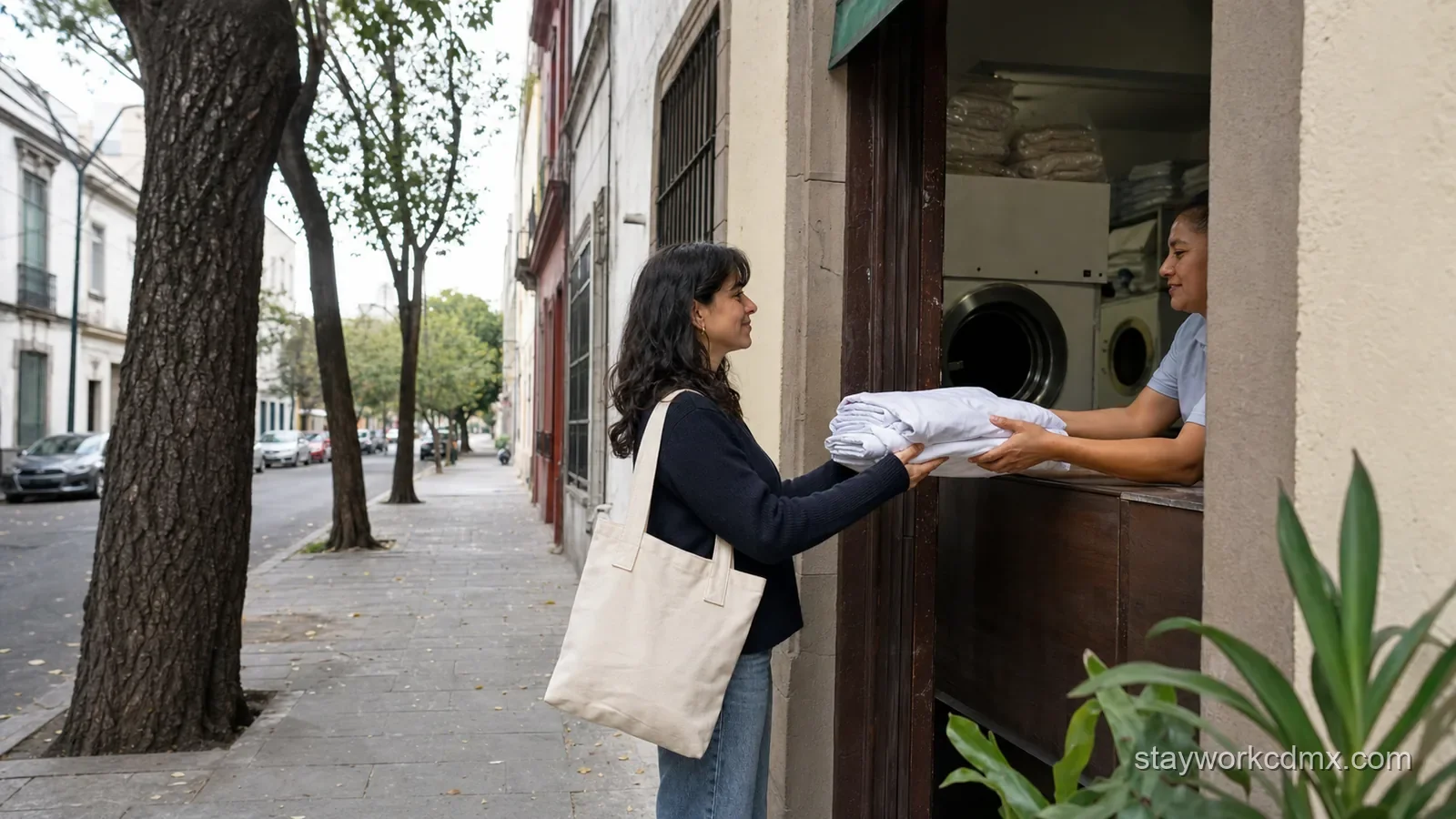
Monday tests the route to San Cosme and buys water. Tuesday works from the apartment and walks to the Alameda. Wednesday uses Line 2 for the main meeting. Thursday visits Buenavista or a central cultural destination. Friday returns before the busiest evening period. Saturday combines the market, laundry and one longer trip. Sunday prepares meals, checks the station page and charges the hotspot.
Booking checklist
- Which San Cosme, Normal or Buenavista route is practical from the address?
- How many steps and crossings are between the building and station?
- Is the station accessibility equipment currently functioning?
- Can a taxi stop at the building entrance?
- Is the street well lit for late returns?
- Does the apartment have a lift, usable bathroom and proper desk?
- What is the backup plan for rain, elevator outage or weak Wi-Fi?
- What is the all-in monthly total?
Use the monthly apartment checklist and check long-stay inventory .
Three route tests before booking
For the station test, walk from the building to both San Cosme and Normal if both are plausible. Compare crossings, paving, lighting and the direction of the train. The closest station on a map is not always the easiest with luggage or a mobility aid.
For the market test, carry a small grocery bag from the market to the apartment. Look for high curbs, parked cars, uneven slabs and delivery activity. Ask whether water or a large grocery order can be delivered to the lobby without stairs.
For the arrival test, simulate an airport arrival after dark. Can a rideshare stop at the entrance? Is there a lift? Is the apartment easy to find from the street? That tells you more about accessibility than a listing photograph of the Alameda.
Transport economics for a month
Santa María’s local rhythm can reduce rideshare spending, but keep a reserve for the first and last day of a stay. Metro at MXN 5 and Metrobús at MXN 6 keep regular routes affordable; airport luggage, rain and a difficult station entrance do not. Budget for those trips in advance.
The apartment should also cut the number of trips you need. A usable kitchen, laundry, desk and reliable Wi-Fi mean the guest can stay local on workdays. If the unit is uncomfortable, every small problem becomes a trip toward Roma, Centro or a coworking space.
Accessibility protocol for historic streets
Check the Metro equipment list for the station you will actually use. On arrival, test the route at morning rush and after dark. Note which crossing has a curb ramp, where parked cars block the sidewalk and how long the final block takes with a bag.
Ask for photos or measurements of the building entrance, lift, bathroom threshold, bed and desk. If the building has no lift, a ground-floor unit may be workable; if the lobby has steps, a host’s offer to help with luggage is not a substitute for step-free access. Get the answer in writing.
Who should choose Santa María?
Choose Santa María for local errands, the Alameda, central-north meetings and a quieter apartment-first month. Choose San Rafael if Reforma and Buenavista dominate, Roma Sur or Narvarte for Centro Médico, or Roma Norte/Condesa if café density and social access are more important than a local routine.
Santa María route planning for a full month
Before paying, mark four points: the apartment, the station entrance, the market or supermarket and the place you will go when you arrive with luggage. Test each route in daylight and then ask how it behaves after dark. The best unit may be farther from San Cosme if it has a step-free entrance, a calmer sidewalk and a clear taxi stopping point.
For remote workers, the apartment’s desk and Wi-Fi decide how many trips are necessary. For older guests or people using a walker, the route from the curb to the lift is more important than the distance advertised in a listing. For families, check whether a stroller or suitcase can enter the building without a narrow turn.
Use the first week to test the routes: one trip to San Cosme, one to Normal or Buenavista, one market run and one evening return. Save the most comfortable crossing and the station’s accessible entrance. If the route fails, ask the operator for a change while there is still time to solve it.
Keep a simple route card
Save the apartment pin, the station entrance, the grocery route and a taxi pickup point. Record how long the trip takes with a bag and whether the building lift works at the hours you need it. Ask the host for a clear backup if an elevator, station lift or Wi-Fi connection fails. With the card, you do not have to improvise each trip.
The monthly mobility reserve
Keep a reserve for arrival with luggage, rain, heavy groceries, a late return or a station lift outage. Regular Metro and Metrobús fares make everyday travel affordable, but a direct ride can be the safer, less tiring choice when the historic sidewalk is difficult.
During week one, write down the route you actually use to San Cosme, Normal or Buenavista. Include the entrance, crossing, lighting, pavement and the place a taxi can stop. Ask the host how they handle a lift, Wi-Fi or water problem. A local neighborhood is much easier to live in when you know the plan for problems as well as you know the map.
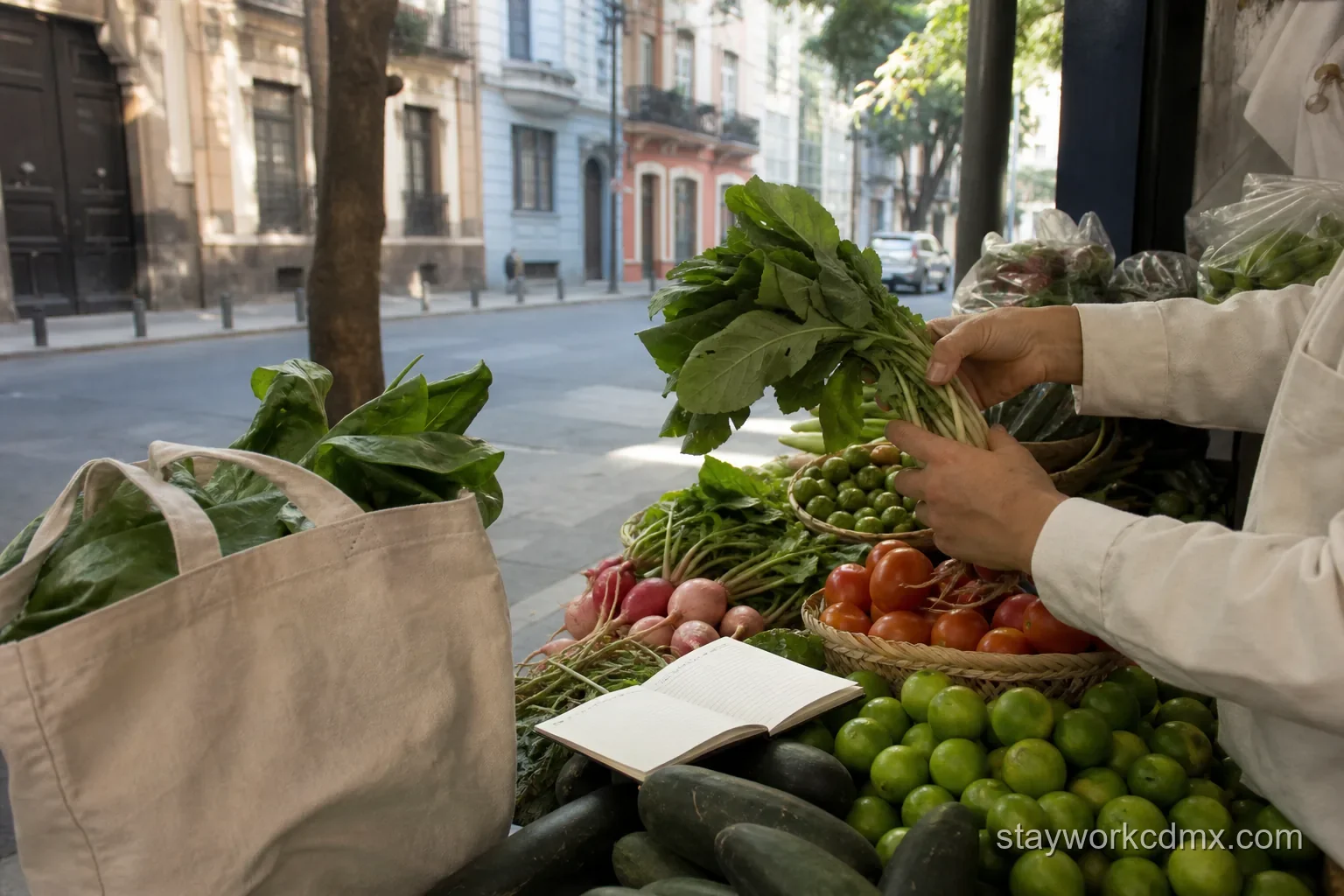
If most meetings point to Reforma, compare San Rafael. If most point to Centro Médico, compare Roma Sur or Narvarte. Santa María wins when the guest values a local walking radius and a central-north base.
When the route changes
Rain, market activity, construction and station maintenance can change a Santa María route. Save an alternate station, a clear crossing, the taxi pin and the host’s contact offline. If you rely on a lift or step-free path, check the official status before the important trip and leave time for another entrance.
The neighborhood works best when the guest can move locally most days and has a tested backup for the days when the historic street or station is harder to use.
A seven-day route diary
Monday tests San Cosme and the water route. Tuesday works from the apartment and walks to the Alameda. Wednesday uses Line 2 for the main meeting. Thursday tests Normal or Buenavista. Friday returns before the late crowd. Saturday combines market errands, laundry and one longer outing. Sunday checks the station page, weather and taxi reserve. This rhythm builds the long stay around the local walking radius.
What makes the last mile manageable
Measure Santa María in three pieces: building to curb, curb to station and station exit to the destination. Historic paving, market activity and lobby steps can decide the month. Check curb ramps, lighting, rest points, the lift and the taxi stopping point. Ask for a current route video and exact doorway measurements when needed.
Keep the alternate station and host contact with the booking. If the historic route or station lift fails, a prepared backup means the guest does not have to work out the entire neighborhood while carrying luggage.
Keep the address, station and taxi point offline. Historic blocks are easier when the guest can show the destination clearly instead of searching while carrying bags.
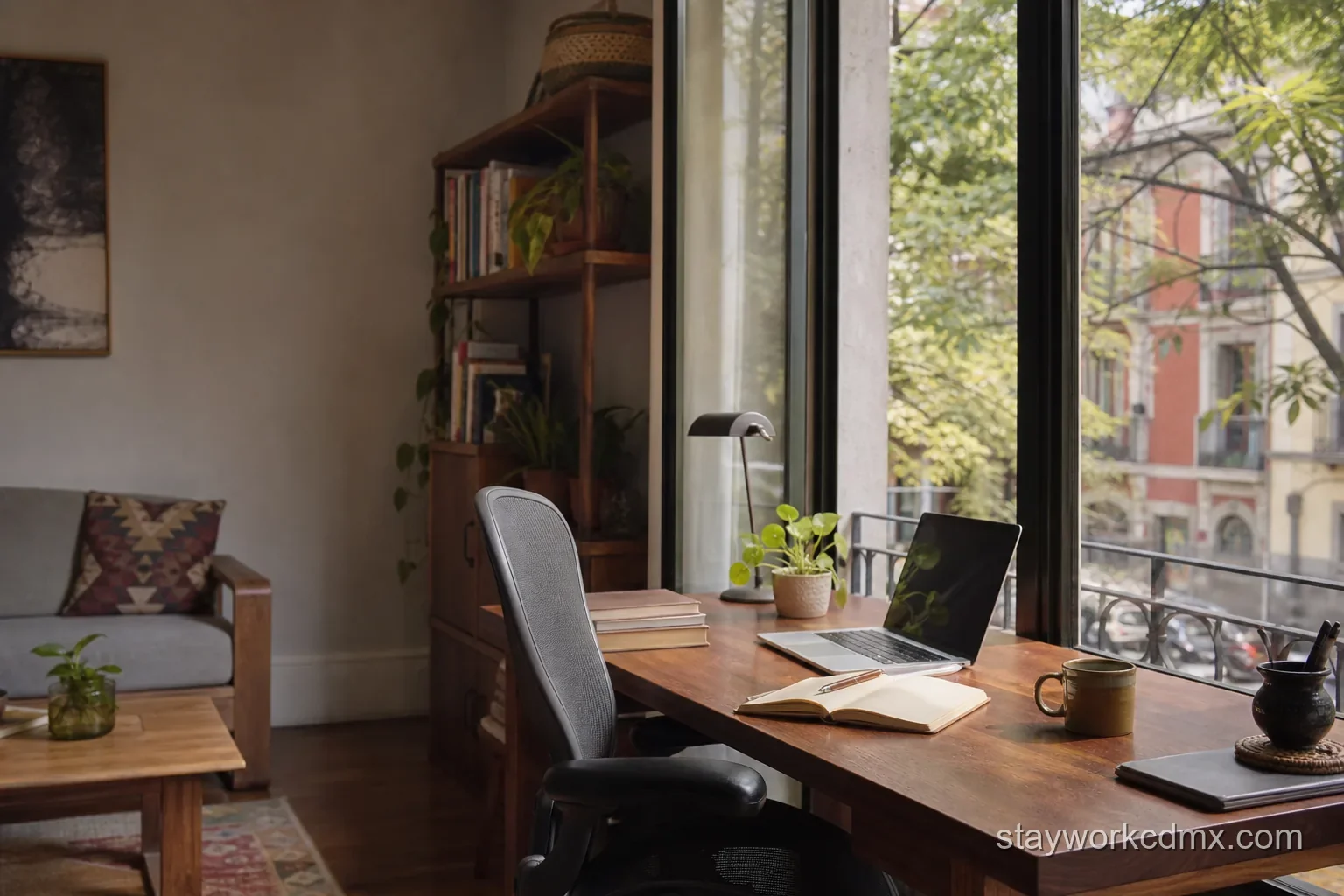
Save a nearby landmark as well. It gives drivers and building staff a clear reference when the street address is difficult to see at night, which helps on arrival, after long workdays and whenever the guest is carrying groceries or luggage, above all on the first and last day of a 30-night stay.
Turn a local walking radius into a reliable month
Santa María works when the guest can do ordinary tasks close to home and reserve longer trips for planned days. On arrival, walk from the apartment to the market, San Cosme and the nearest taxi pickup point with a small bag. Check where the historic pavement narrows, where parked cars block the path and which crossing is easiest after dark. Test any route that looks simple on a map with the weight you will actually carry.
Keep a normal route and a backup for each important destination. The normal plan may use Line 2 after a short walk; the backup may use Buenavista, a different crossing or a direct car when rain and luggage make the last block difficult. Save the station entrance, destination door and a recognizable landmark offline. That note protects the first and last days, when navigation is least familiar.
The apartment decides whether the local radius holds up. A proper desk, kitchen, laundry and stable Wi-Fi reduce trips toward Roma or Centro simply to work or eat. For a guest using a walker, stroller or heavy suitcase, the lift and lobby turn matter as much as the apartment’s floor area. Ask for photos, measurements and a written response plan before paying.
At the end of week one, review what actually happened. If the market route is tiring, arrange delivery; if San Cosme is awkward, use the alternate entrance; if meetings consistently point north, compare San Rafael. Santa María cannot promise that every street is easy, but it lets you build a quiet, local routine with a tested backup.
Final verdict
Santa María la Ribera gives you central-north access with a local long-stay rhythm. It is accessible once you confirm the exact walking route and building. Choose a unit whose street, entrance and station connection work with the way you will actually live for 30 nights.
For monthly stays
Plan a Santa María la Ribera long stay
Sources and research note
- Metro network , Metro accessibility , Metrobús payment .
- StayWork’s Santa María monthly guide and food guide .