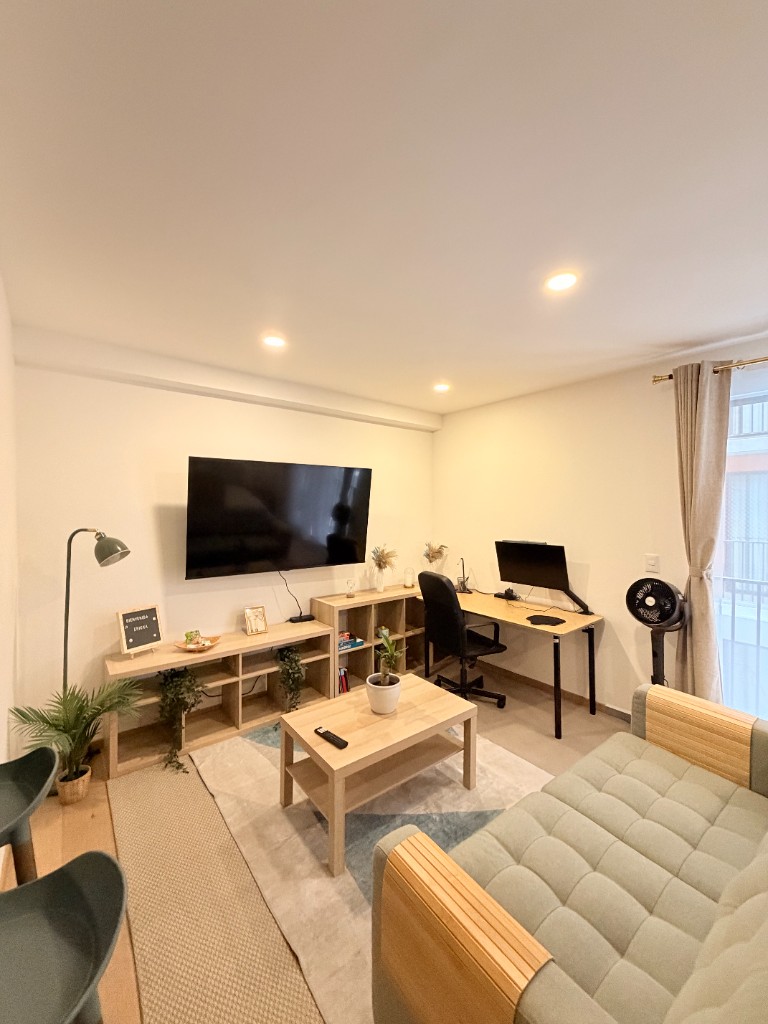
Santa María la Ribera is the kind of Mexico City neighbourhood that rewards a second walk. The first is usually architectural: the Kiosco Morisco, old façades, the Museo de Geología, Casa de los Mascarones and the trees around the Alameda. The second is for eating, and a market lunch can turn into a Russian pastry, a coffee in a tiny room, a plate of Oaxacan garnachas or a long table in a restored house. There is no single polished dining corridor here, so you assemble a day from many small addresses.
That is also why the obvious list can mislead. María Ciento38 and Kolobok have enough coverage to appear in almost every guide, but the best breakfast for your day may be a tamal from Sabino, a concha filled with chilaquiles or a barbacoa taco inside Mercado La Dalia. A beautiful café may be ideal for twenty minutes and terrible for a three-hour video call, and a busy restaurant opposite the kiosk may be worth the wait on Sunday but not before a museum appointment.
This guide is split in two. The first half covers neighbourhood finds: markets, bakeries, cafés and small counters that make Santa María la Ribera feel lived in. The second covers popular favourites: places with a longer history, a wider review footprint, a strong regional identity or a clear reason to plan a meal around them. Neither half is ranked; treat each as a set of routes for different appetites.
I checked current Google Maps listings for names, branches, addresses and recent review patterns, then compared them with the Mexico City government’s market page, official restaurant listings, Chilango, Time Out, Food & Pleasure, Excelsior, SinEmbargo, OpenTable, Tripadvisor and delivery menus. Repeated comments about a dish, a queue, a room or a service trade-off are more useful than a star average. Menus, ownership and hours change, so open the live Maps result before leaving and read the newest low-star reviews as well as the praise.
If the neighbourhood is part of a longer-stay decision, start with our Mexico City monthly rentals hub and the San Rafael furnished apartments guide , which explains the central north-side location next door. The San Rafael vs Roma Norte monthly-stay comparison is useful when you are deciding between a quieter, older-city base and the heavier café density of Roma Norte.
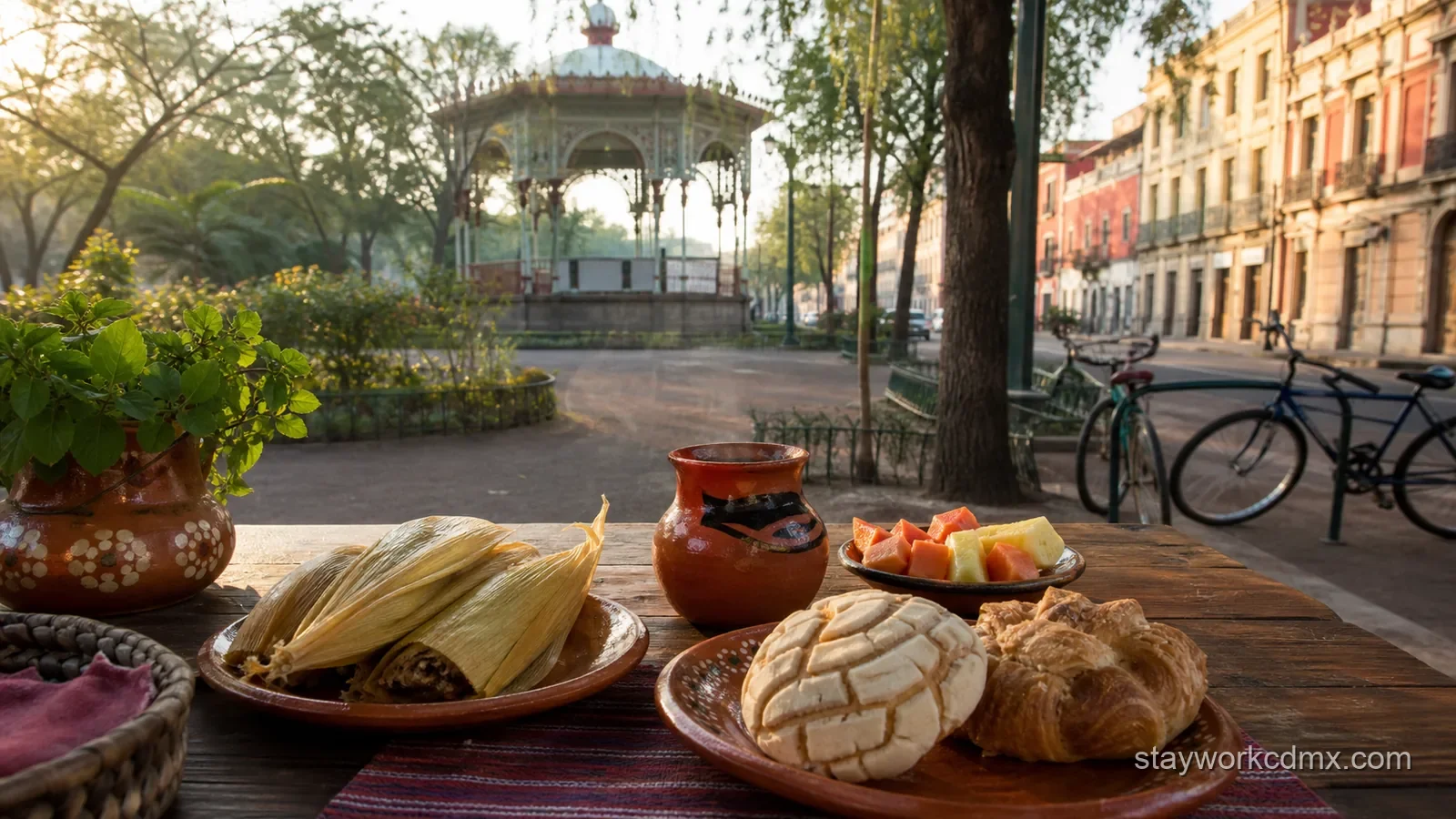
Illustrative editorial image for this guide; it does not depict a specific restaurant or vendor.
At a glance
| Route | Stop | Go for | Best moment |
|---|---|---|---|
| Neighbourhood find | Mercado La Dalia | Comida corrida, produce, juices and local errands | Morning or lunch |
| Neighbourhood find | Casa Chacón | Barbacoa tacos and consomé | Weekend morning |
| Neighbourhood find | La Florida Fresas con Crema | A cold, sweet neighbourhood classic | Afternoon or late night |
| Neighbourhood find | Tamales Cintli | Savoury and sweet tamales with atole | Early morning |
| Neighbourhood find | Panadería del Reloj | French-style bread and coffee | Morning |
| Neighbourhood find | Había una vez pan y café | Sourdough focaccia, baguettes and coffee | Afternoon |
| Neighbourhood find | Bello Café | Guerrero coffee, tastings and barista culture | Morning or a class |
| Neighbourhood find | Mercado Morisco | Small food businesses and group grazing | Lunch or early evening |
| Popular favourite | Kolobok | Russian soups, empanadas and comfort food | Lunch |
| Popular favourite | María Ciento38 | Sicilian recipes in a leafy courtyard | Brunch or dinner |
| Popular favourite | Comixcal | Isthmus of Tehuantepec dishes and mezcal | Dinner |
| Popular favourite | Pizza Flamingo | Pizza by the slice or tray | Afternoon |
| Popular favourite | XUVA’ | Contemporary Oaxacan cooking | Planned meal |
| Popular favourite | Tlacoyotitlán | Regional antojitos made with Morelos maize | Breakfast or lunch |
| Popular favourite | Casa Santa María | Mexican plates in a historic house | Lunch or brunch |
| Popular favourite | El Corral del Chivo | Birria, pozole and costilla opposite the kiosk | Weekend breakfast |
Santa María la Ribera food map
16 markets, bakeries, cafés and restaurants. Select a numbered pin to open its Google Maps listing.
Use the map as a shortcut to the live listings. Select a numbered pin to open that venue’s Google Maps result, then check current hours, route, photos and recent reviews. Positions are schematic to keep the map legible on a phone, so do not assume every pin sits on the exact building footprint.
Neighbourhood finds: the Santa María that residents actually use
Mercado La Dalia: the pantry, lunchroom and orientation point
Mercado La Dalia is on Calle Sabino 225, between Fresno and Sabino. The Mexico City government’s market page describes its retro details, dense surrounding shopping streets and the practical reasons to visit: comida corrida, produce and flowers. The rest of a neighbourhood food route is easiest to plan around it.
Walk the whole market before ordering. You will see barbacoa, tacos, aguas frescas, juices, breakfast plates and stalls selling ingredients for an apartment kitchen. Chilango’s market guide notes the variety and how much the market shows about what the neighbourhood eats every day. Choose by what looks busy rather than by an online ranking.
Go in the morning for Casa Chacón and other breakfast counters, or around lunch for a comida corrida. Keep cash and small bills, accept that seating is functional and do not expect every stall to follow the hours in an old article. A vendor may sell out, close for a family matter or move while the market is being maintained. If the first counter does not feel right, a short walk toward the kiosk gives you several alternatives.
For somebody staying a month, La Dalia is worth more than a one-off “foodie” stop. It can supply fruit, tortillas, a quick lunch and a reason to learn which streets are active at different times, and it ties Santa María’s popular restaurants back to ordinary life.
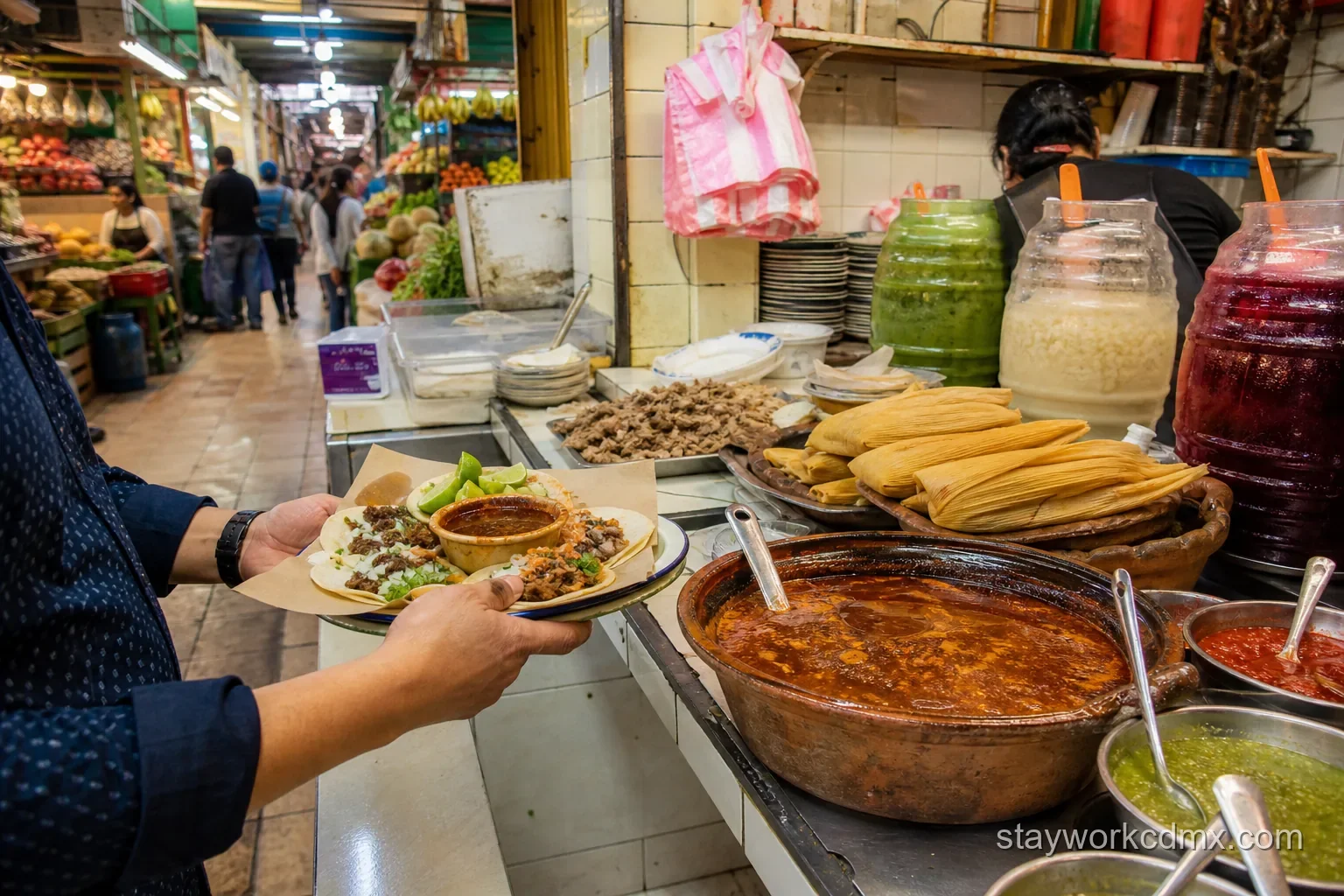
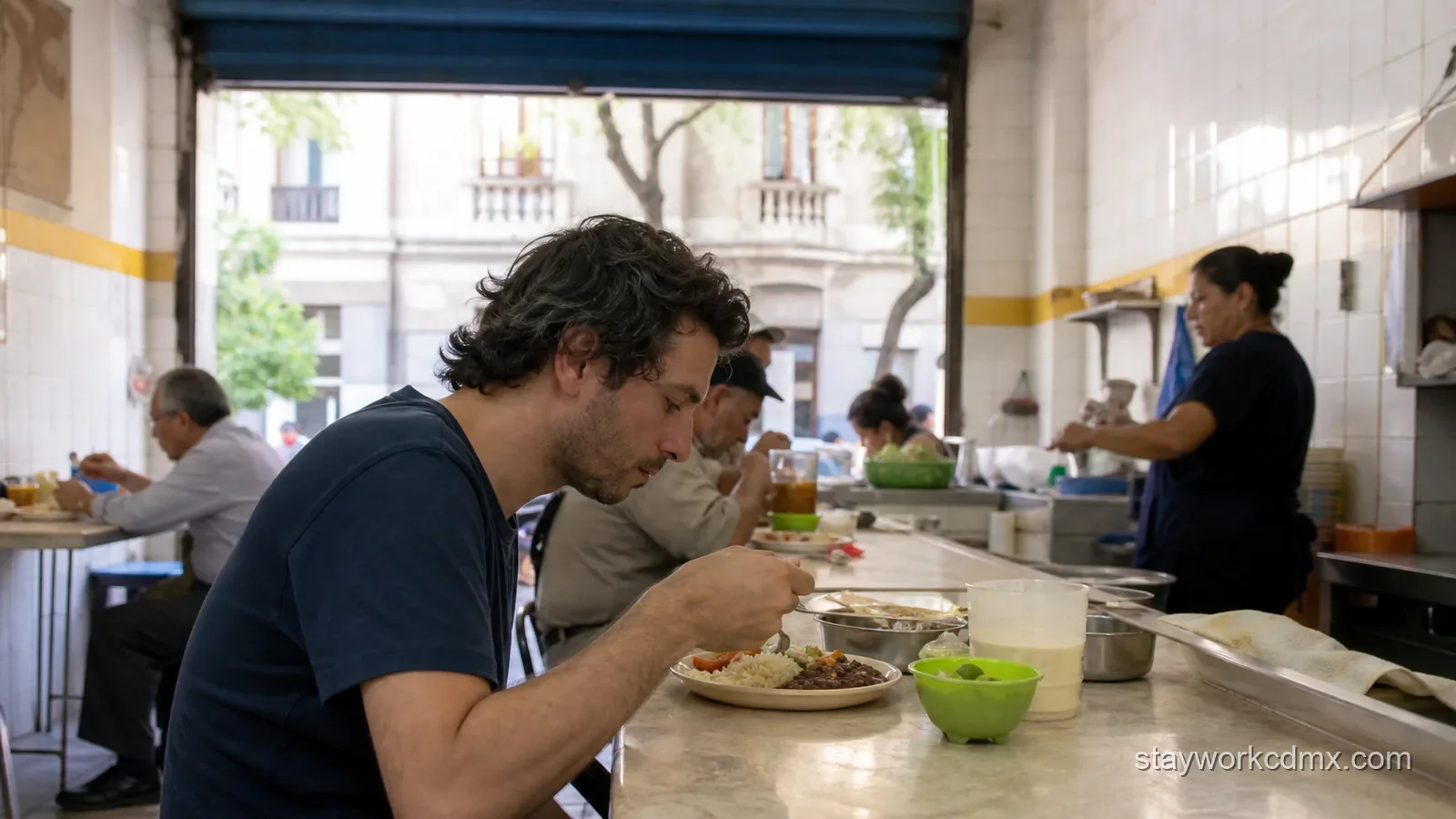
Illustrative market image; it does not depict a specific La Dalia stall.
Casa Chacón: barbacoa inside the market
Casa Chacón is in locals 133–134 inside La Dalia. Chilango’s reporting gives the family business nearly eight decades of barbacoa history and the practical order: tacos in soft or crisp tortillas, plus consomé. That combination is enough to justify an early visit, especially when the market is still cool and the broth is moving quickly.
Start with a small order of tacos and a consomé instead of going straight for a large plate. The difference between a soft taco and a dorado one is worth testing, and the broth gives you a better sense of the seasoning than a crowded table of extras. Ask what is available that morning; a market stall’s best cut and portion can change with the day’s supply.
Casa Chacón has no quiet dining room: you eat close to the counter, share space and leave when you are finished. That is part of its appeal, but it also means you should not schedule a long conversation or a laptop session here. Pair it with a loop through La Dalia and the Alameda rather than a second heavy breakfast.
The local number takes the guesswork out of the market: open the exact pin, look for it and confirm that the current operation still matches the recent listing. If the line is long, you are already in the right place to choose a second counter instead of crossing town.
La Florida Fresas con Crema: dessert as neighbourhood memory
La Florida Fresas con Crema is a small, memorable stop at Santa María la Ribera 92-B, between Sor Juana Inés de la Cruz and José Antonio Alzate. Chilango describes a shop that has served strawberries with cream for decades, with a simple size-based order and long opening hours. Residents can make it a regular dessert stop rather than a special occasion.
Begin with the classic cup. If you want less sweetness, ask about the portion and avoid turning it into a giant finale after a full lunch. You come for cold fruit and cream, and the best visit is short and slightly nostalgic. Plan on cash, since older coverage specifically notes efectivo, although the live listing should be your final check.
La Florida fits almost any route. Go after the Museo de Geología, stop between the kiosk and the market, or use it as a late-night sweet option if current hours still run into the evening. It is not a café, and the street-facing format is better for taking the cup on a walk than for sitting with a book.
La Florida is also a reminder of what “popular” means in a neighbourhood: a place with a modest online footprint can matter more to local memory than a newer restaurant with better photography. Read recent reviews for service and hours, but judge the long-running product on its own.
Tamales Cintli: a wide menu for the early riser
Tamales Cintli is listed at Sabino 174. Chilango’s guide describes around twenty savoury and sweet flavours, including a memorable verdolagas-and-pork tamal and playful dessert options. It is a useful breakfast stop because the menu gives a group room to disagree without anybody having to leave the neighbourhood.
Choose one savoury tamal first, then add an atole or a second flavour for the table. The verdolagas option is the regional-minded starting point; a sweet tamal works better as a shared finish than as the only breakfast. Ask what is coming out fresh and check the current menu, because a broad catalogue is not a promise that every flavour is available every day.
Tamales are quick food, and Cintli is too small to double as a workstation. Take breakfast to the Alameda, back to the apartment or on toward the market. If you are staying for a month, it is the kind of repeatable morning stop that makes a neighbourhood feel manageable: warm, inexpensive and close enough to use without planning an excursion.
Here the practical details matter more than a star rating: verify opening time, carry a little cash and leave a few minutes for the order. A tamal shop can be busy before the rest of Santa María has opened, and arriving late may mean choosing from what remains.
Panadería del Reloj: bread for the walk home
Panadería del Reloj is a French-style bakery and coffee stop at Naranjo 158. Chilango’s coverage lists croissants, fruit-filled variations, rye and seed loaves, strudel, muffins and cakes, with the option to eat there or take the bread home. It works best for picking something up for a walk or the next morning’s apartment breakfast.
Look for one laminated pastry and one loaf or sandwich component. The menu has enough variety to tempt over-ordering, but the bread is the reason to return. A rye loaf, a croissant and coffee can become breakfast for two if you are planning a museum day. Ask which items were baked most recently rather than choosing only by appearance.
The shop’s hours in older coverage are limited compared with a chain café. Confirm the live listing before crossing the neighbourhood, and do not assume Sunday service. Panadería del Reloj works best when it is part of a larger route through Naranjo, the kiosk and the Museo de Geología.
It also suits a longer stay: with a kitchen in a furnished apartment, good local bread keeps a busy work morning simple and still ties breakfast to the neighbourhood.
Había una vez pan y café: sourdough, focaccia and a slower afternoon
Había una vez pan y café is listed at Salvador Díaz Mirón 87E. Chilango describes focaccia, baguettes, sourdough loaves, conchas, cinnamon rolls and coffee, with the bread shaped by flavours such as red wine, garlic and spices. It is a stronger option for an afternoon sandwich than for a rushed first coffee.
Start with a focaccia or baguette sandwich and one pastry to share. The menu is built for small decisions: bread, filling, coffee, then perhaps something sweet. Do not count on it as a place to work; treat the table as a short stop unless the current listing and room make a longer visit appropriate.
The address also makes the bakery easy to combine with Kolobok and Pizza Flamingo, though the meals belong to different moments. Buy bread first, eat a proper lunch later and return to the apartment with leftovers. That rhythm is more satisfying than trying to force three restaurants into one afternoon.
Because the business is independent, use the live listing for current hours and service; older coverage gives a sense of the menu, and menus change. The best bakery finds are the ones you can repeat without making them a destination.
Bello Café: Guerrero coffee and a tiny training culture
Bello Café is a small café on Manuel Carpio 158. Chilango’s reporting describes the owner bringing coffee from Guerrero, roasting it to his taste and organising tastings, courses and barista jams. So you can learn about coffee at Bello as well as collect a flat white, and you know where the beans come from.
Ask what coffee is being served and whether a tasting or class is scheduled. A simple brewed cup is enough for a first visit; notice the origin and the roast instead of ordering by the most familiar name. The space is compact, so be considerate with laptops and large groups.
Bello fits well before or after Mercado Morisco. You can eat something substantial nearby, then use the coffee as a reset instead of asking the café to provide your entire afternoon. Recent reviews and the live listing should settle current hours, payment and event programming.
For a longer stay, a café with a human face can be worth more than a larger room. You learn which beans are in rotation, recognise a barista and have a reason to walk the same block again, which is part of Santa María’s appeal.
Mercado Morisco: a group-friendly food hall by the kiosk
Mercado Morisco is at Manuel Carpio 144, about a block and a half from the Kiosco Morisco. Time Out’s neighbourhood guide describes a modern market built around local concepts and a broad mix: Hot Dog Ramírez, Ensaladas Pepe’s, Chancho Pork Lovers, Mandala Pan y Café, Hacha y Machete and Hell’s BBQ. That variety makes it useful when a group cannot agree on one cuisine.
Walk the counters before ordering. A hot dog, pork ribs, a concha or a beer can each be the right answer depending on the hour. Some stalls have a stronger service rhythm than others, and the market’s catalogue can change, so recent Maps photos are more useful than an old fixed menu. Share small portions when possible so you can compare.
The market is more social than quiet. It works for a casual lunch, an early drink or a family group, but it is not the place to settle into a long call. Go when the kiosk and Alameda are part of the plan, and keep a backup in case a favourite stall is closed.
At Mercado Morisco you see how Santa María’s newer market concepts sit alongside older public markets, bakeries and neighbourhood counters, and a good route can include both.
Popular favourites: the addresses people plan around
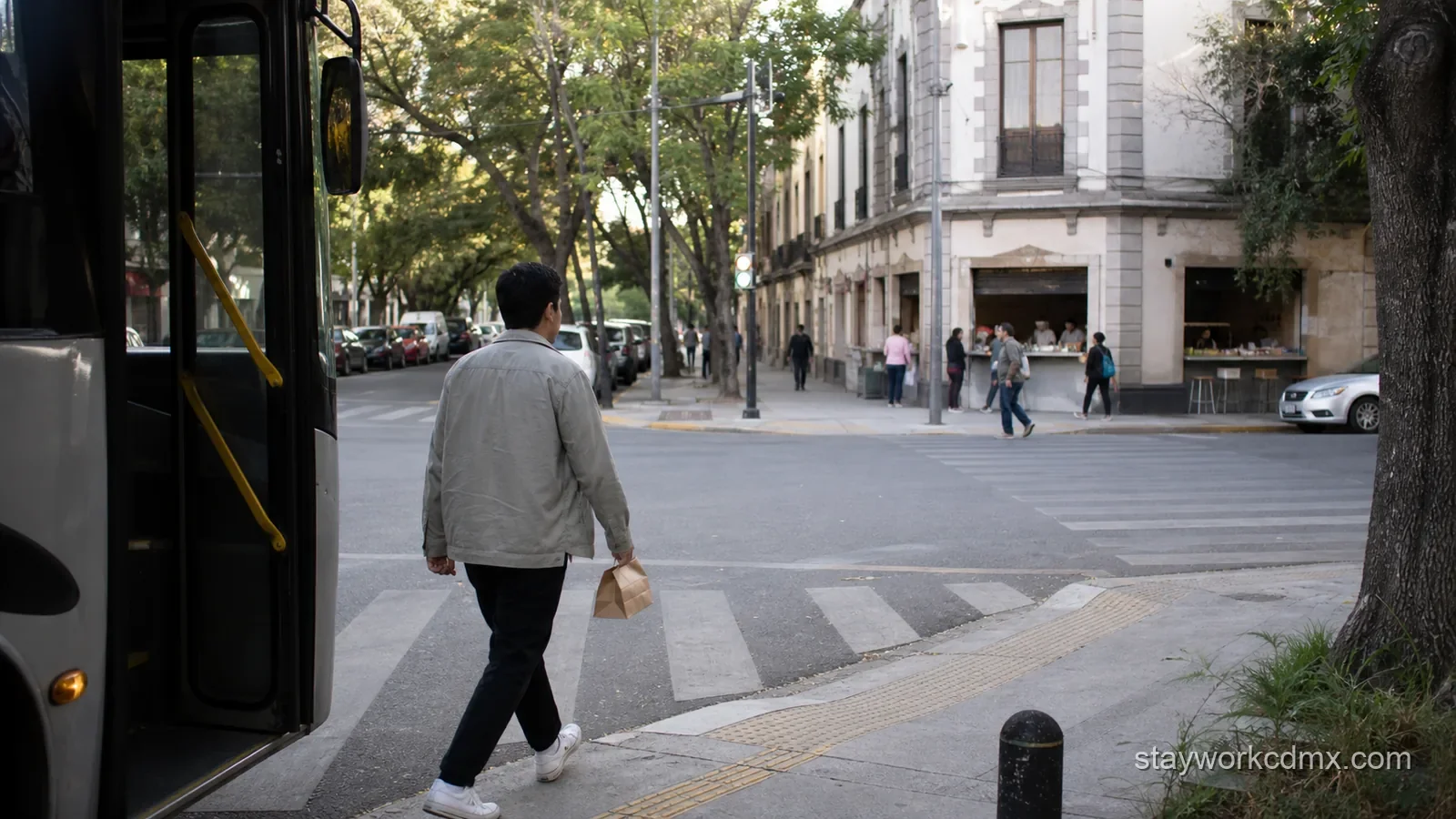
Kolobok: Russian comfort in a Mexican neighbourhood
Kolobok is the neighbourhood’s most recognisable international food institution. The current Kolobok menu PDF lists the Santa María branch at Salvador Díaz Mirón 87, and the restaurant’s own material confirms a Russian menu that goes well beyond one novelty dish. Current listings mention borscht, empanadas, chicken Kiev, beef stroganoff and other soups and plates.
Order for comfort: a borscht or soup, one savoury empanada and a main to share will tell you more than a table overloaded with every Russian word on the menu. The empanadas are the most approachable entry, but the soup is what makes the meal feel like a winter room even when the street outside is warm. Ask about sweet fillings if the table wants a second act.
Kolobok’s popularity cuts both ways: there is a large review trail, but also predictable demand and a room that can fill at peak times. Check OpenTable and the restaurant’s current channels instead of relying on old Time Out hours, and arrive earlier on a weekend, especially if you want to sit without waiting.
The restaurant feels specific without being a themed attraction. You can eat something different and still walk straight back into Santa María’s everyday streets.
María Ciento38: a Sicilian courtyard behind an unassuming door
María Ciento38 is in a historic house at Santa María la Ribera 138. Its official reservation page lists the current contact details and service pattern; the concept is a piece of Sicily in a leafy courtyard, with family recipes, pasta, pizza, seafood and house-made limoncello. Time Out’s review emphasises the patio and the feeling of being invited into a family gathering.
Order to share and take your time: a starter, one pasta or pizza and something from the day’s specials, then ask about the limoncello rather than treating dessert as an afterthought. The patio is the main draw, but weather, events and demand change the experience. Reserve or arrive early if the courtyard is the reason for the visit.
María Ciento38 is a destination meal you do not have to leave the neighbourhood for. That makes it particularly good for a visitor who wants one polished dinner after a day of walking, and for a resident who wants a reliable special occasion. Read recent reviews for current service and menu changes; older articles give context but may be out of date.
The restaurant is also a good anchor for a slow route. Start at the kiosk, walk the surrounding houses, stop at La Florida or Panadería del Reloj and arrive hungry rather than trying to add another full meal beforehand.
Comixcal: the Isthmus of Tehuantepec on Dr. Atl
Comixcal is at Dr. Atl 176. Chilango and Time Out describe a menu rooted in Oaxaca’s Isthmus of Tehuantepec, with garnachitas, smoked meats, beans, regional explanations and Oaxacan beers and mezcal. More recent directory information still lists the address and an afternoon-to-evening service pattern, but confirm current hours before going.
Ask the team to guide the table by region. A plate of istmeño garnachas can open the meal, followed by a smoked meat or seasonal dish, with a mezcal or beer that matches rather than overwhelms it. The menu is specific enough to take you into Oaxacan food beyond the default tlayuda.
Plan it as a dinner. The room and menu reward conversation, and the portions are easier to manage when shared. If the group includes someone who does not drink, there is still enough cooking to make the visit worthwhile. Check dietary notes and current availability on the live listing.
Comixcal widens Santa María’s range: you can eat regionally without travelling across the city, then walk past old houses and the kiosk on the way back, and that combination is the neighbourhood’s best argument.
Pizza Flamingo: a slice, a tray and a local oven rhythm
Pizza Flamingo is at Salvador Díaz Mirón 142, a couple of blocks from the kiosk. Chilango reports pizzas by the slice or tray with toppings that include classics, seafood, smoked pork, serrano ham with arugula and apple with goat cheese. The local-oven approach makes it a flexible meal for one person or a group.
Start with one slice if you are walking, or order a tray when the table has time. The unusual toppings are worth sharing, but a simple margherita or three-cheese slice is a useful baseline. Ask what has just come out of the oven and whether the current service is by weight, slice or whole pie; small operational details can change.
Pizza Flamingo works particularly well in the middle of a cultural afternoon. You can eat without a long reservation, walk to the Museo de Geología or the Chopo, then decide whether you still need dessert. The current listing should settle hours because older coverage gives a schedule that may no longer be exact.
It is also a good budget counterweight to María Ciento38 or XUVA’, because a neighbourhood food guide needs a meal that can be spontaneous and affordable as well as tables that require planning.
XUVA’: Oaxacan cooking with a contemporary edge
XUVA’ is at Salvador Díaz Mirón 128 in a renovated nineteenth-century house. Recent listings and coverage of chef Juan Aquino’s cooking describe an Oaxacan restaurant that treats local ingredients and regional memory seriously. Tripadvisor’s current listing gives the address and a useful picture of the format: breakfast, lunch, dinner, drinks and vegetarian options.
Skip the greatest-hits approach to the menu. A mole de chicatana, a dish from the coast or a seasonal plate can be more revealing than the safest item. Ask about the origin of the ingredients and how the kitchen is changing the menu. The room and service suit a planned meal, especially if the group wants to share and talk.
Budget money and time for XUVA’. It is more expensive and slower than a market tamal or a slice of pizza, and that is part of the deal. Reserve or check the current service window, then give the meal enough time to be worthwhile.
The restaurant sits in one of the most useful food clusters in the neighbourhood: XUVA’, Pizza Flamingo, Kolobok and several bakeries are all close enough to build a walk around. That concentration makes Santa María feel like a food neighbourhood without turning it into a single strip.
Tlacoyotitlán: antojitos with a Morelos maize story
Tlacoyotitlán is listed at Salvador Díaz Mirón 84. Excelsior’s neighbourhood guide notes the use of organic maize from Morelos and a menu of antojitos that reaches beyond one region: tlacoyos, huaraches and versions with steak, chorizo, chicharrón or egg. It is a useful daytime stop for understanding how corn carries different textures across Mexico.
Order one tlacoyo to learn the base, then share a huarache or topping that shows the kitchen’s range. Ask what is freshest and whether the menu has a seasonal filling. Keep the order short and notice the maize, the beans, the salsa and the way the antojito holds a heavier topping.
Treat it as a practical lunch or breakfast. Seating and service can be casual, and the exact listing matters because small businesses sometimes shift hours or names online. Check the newest reviews and photos before going.
Tlacoyotitlán also connects the popular half of this guide to the everyday side. The restaurant may have media coverage, but the food still works like a neighbourhood meal: filling and easy to repeat.
Casa Santa María: a historic house with a mixed current picture
Casa Santa María is at Sabino 255, a late-nineteenth-century house with a garden and interior rooms. SinEmbargo and recent local coverage describe Mexican cooking with touches of fusion, pizzas, pasta and a setting that preserves the original architecture. More current directory reviews are mixed, including comments about service and consistency, so I would look into it before recommending it.
Go for the house and the possibility of a relaxed meal, but check the newest reviews and booking information first. If the kitchen is in a good rhythm, a Mexican plate, a house drink and time in the garden can make a beautiful afternoon. If you need fast service or a guaranteed quiet table, choose a smaller counter instead.
Casa Santa María shows how a food guide should treat a popular venue. The photo-friendly room is real, the address is current and the concept can be appealing, but a restaurant’s past reputation does not guarantee today’s service. Use the live listing, ask about the menu and keep an alternative nearby.
The location makes a sensible end to a market route: La Dalia is only a few blocks away, so you can check the market first and decide whether the casona still fits the mood.
El Corral del Chivo: birria opposite the Kiosco Morisco
El Corral del Chivo is at Jaime Torres Bodet 152, right by the Kiosco Morisco. Food & Pleasure’s 2026 guide describes it as a popular traditional Mexican restaurant whose birria leads the menu, followed by pozole and costilla asada. Delivery listings confirm the address and a broad daily opening pattern, but the live Maps pin should settle the current hours.
This is a breakfast or lunch built for appetite. Start with birria and consomé, then decide if the table needs pozole or costilla. The view and the park are part of the timing: weekend mornings can be busy, and the most attractive outdoor tables are also the most exposed to the crowd. Arrive early if you want to sit without waiting.
The restaurant is popular because it is easy to understand. You get a classic Mexican meal, a landmark across the street and enough room for a group. The trade-off is that service can move at the pace of a busy weekend.
Treat El Corral del Chivo as an optional anchor. If the queue is too long, La Dalia and its counters are close. If the weather is good, eat and then take a slow loop around the Alameda before deciding on coffee.
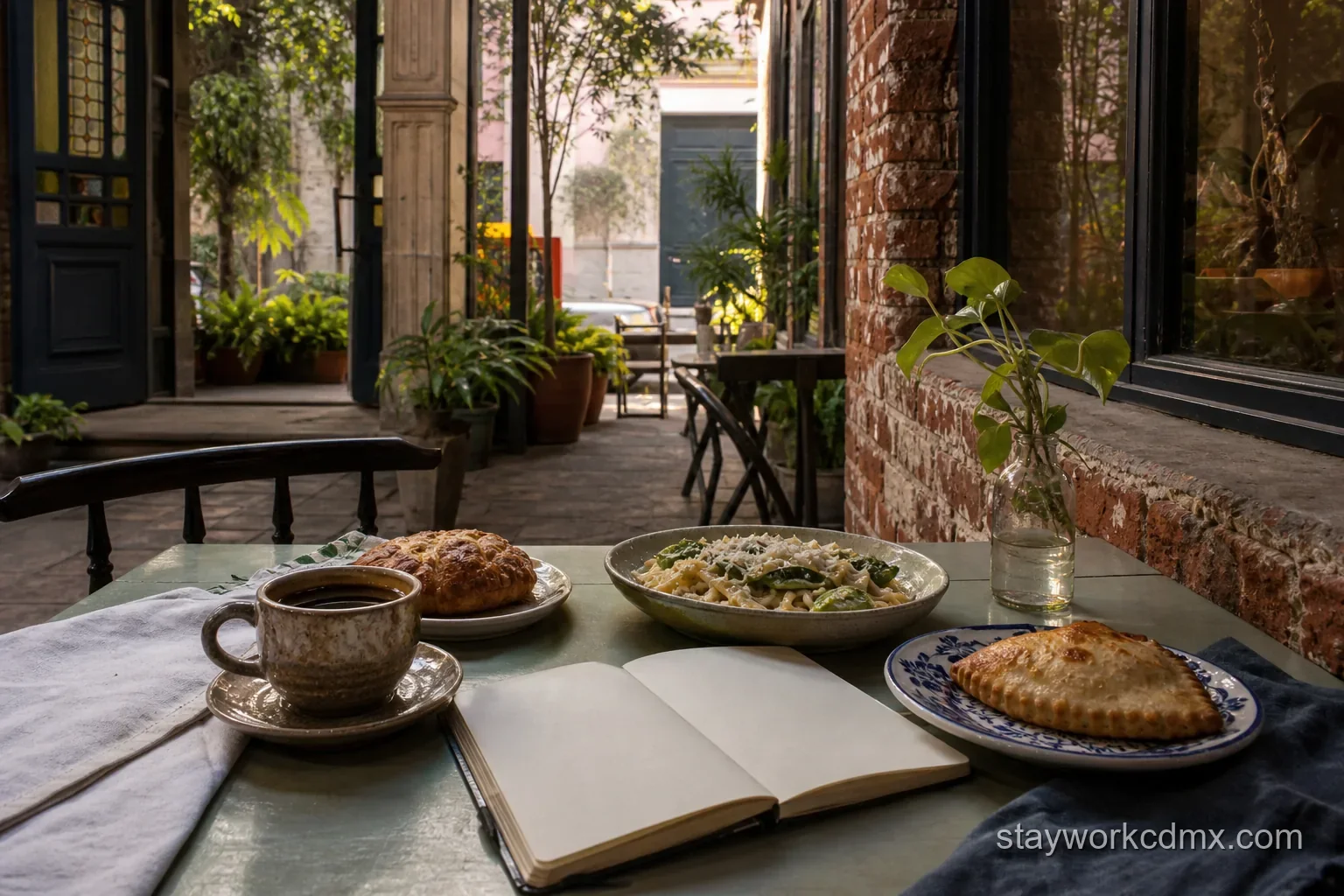
Illustrative courtyard image; it does not depict María Ciento38, Kolobok or another named venue.
A practical 48-hour Santa María la Ribera food route
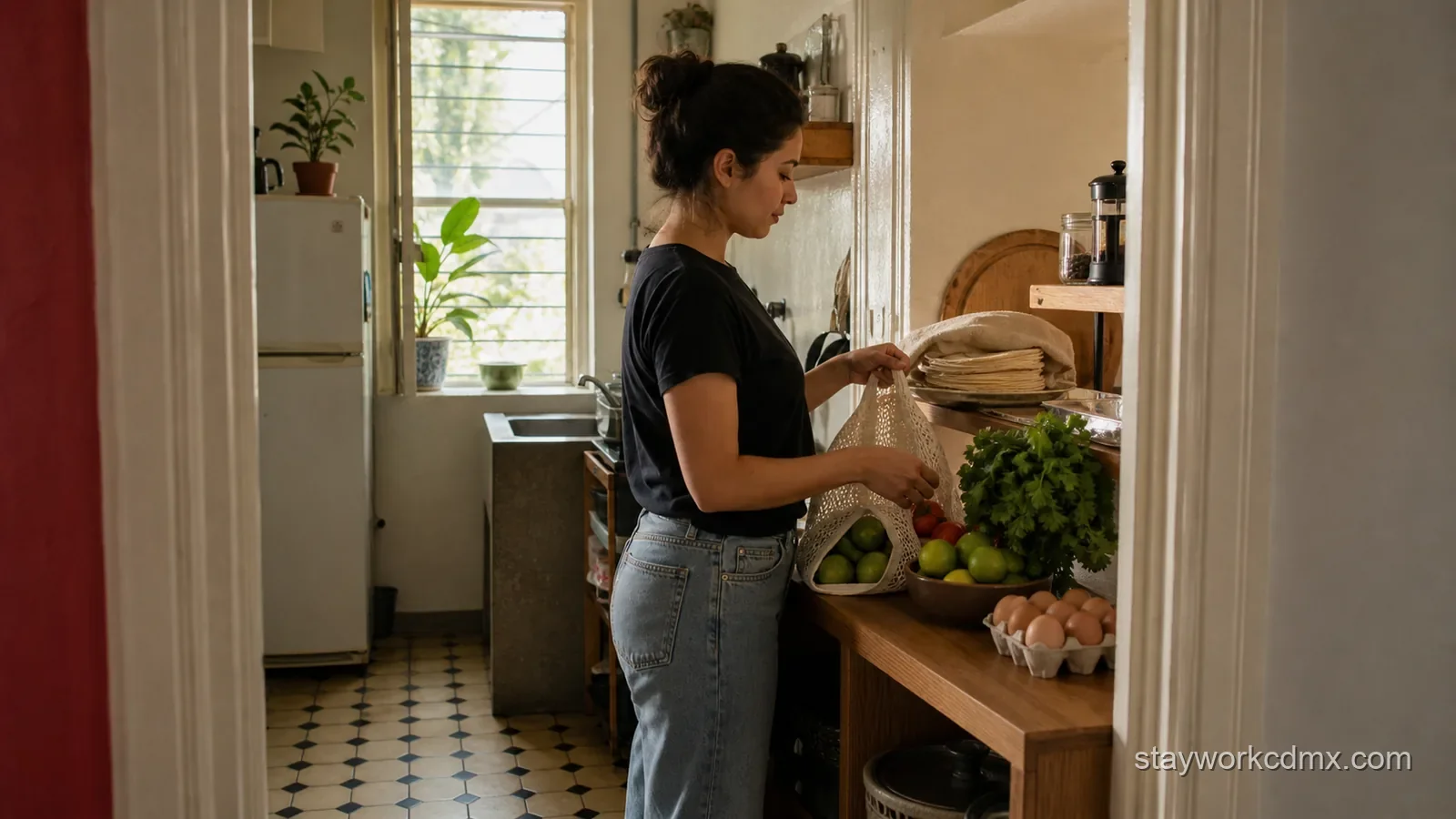
Morning one: start at Sabino. Go to Mercado La Dalia early, walk the full interior and choose Casa Chacón or another breakfast counter. If you want something portable, Tamales Cintli is the simpler order. Take the food toward the Alameda and eat before the kiosk gets busy.
Late morning: add one sweet stop. La Florida is the low-effort dessert, while Panadería del Reloj is better if you want bread for later. Do not make both a full meal. The neighbourhood works because the stops are small enough to repeat.
Lunch one: choose the regional direction. Kolobok gives you Russian soups and empanadas; Tlacoyotitlán gives you Morelos maize and antojitos. Both are popular, but they ask for different appetites. Reserve or check the current listing for Kolobok, and keep Tlacoyotitlán as the more casual route.
Evening one: make it a planned table. Comixcal is the Oaxacan choice, María Ciento38 is the leafy Sicilian courtyard, and XUVA’ is the contemporary Oaxacan option. Choose one and leave the rest for another day. The walk between them is part of the neighbourhood, but three full dinners are not a useful research method.
Morning two: coffee and bread. Try Bello Café for Guerrero coffee and a possible tasting, or Había una vez pan y café for focaccia, sourdough and a sandwich. If the room is full, buy something to take away. A compact café can be excellent without promising a desk for the workday.
Lunch two: market or kiosk. Mercado Morisco works for a group with different cravings, while El Corral del Chivo is the direct birria-and-pozole choice opposite the kiosk. Check current hours and queue length before leaving; Sunday service and market stalls change more readily than a guidebook suggests.
Afternoon: pizza, fruit or a house. Pizza Flamingo is the flexible slice, La Florida is the cold sweet reset and Casa Santa María is the slower garden option if recent reviews make the timing feel right. Finish with a walk past the Museo de Geología or the Chopo rather than adding another reservation.
Santa María also connects easily to Buenavista, San Rafael, Tabacalera and Centro. That makes it an interesting base for someone whose plans move across north-central CDMX, but it also means the return route changes after dark. Use a current map, check the exact block and take an authorised ride when the streets are quiet.
For a longer stay, the food route should fit an actual week: a market breakfast, a bakery run, one planned dinner and a simple apartment meal are more sustainable than six destination reservations. Our San Rafael monthly stay guide explains the nearby residential context, while digital nomad apartments in CDMX is the better starting point if your workday needs a real desk, reliable Wi-Fi and somewhere to take calls. When you know your dates, use Book Direct so we can match the apartment to your routine.
How to choose without paying only for the postcard view
The Kiosco Morisco makes Santa María easy to photograph, but the neighbourhood’s good food is spread well beyond the most visible patio. A plate at La Dalia, bread from Naranjo, a small coffee on Manuel Carpio and a tamal on Sabino can build a better day than one expensive meal followed by a long taxi ride.
Use these filters before you leave:
- Start with the opening window. Tamales, barbacoa and markets are morning decisions; Comixcal, XUVA’ and María Ciento38 make more sense when you have time for lunch or dinner.
- Carry cash and small bills. Older stalls and dessert shops may still prefer efectivo, and a market counter moves faster when payment is simple.
- Read recent reviews, not only famous articles. Look for current comments about Casa Santa María’s service, Kolobok’s hours, market stall turnover and café seating. One bad day is noise, but a repeated complaint is worth planning around.
- Treat cafés as cafés. Bello, Había una vez and Panadería del Reloj are useful pauses, not automatically coworking spaces, so use your apartment for calls and deep work.
- Mix price levels. Pair one planned meal at María Ciento38, Comixcal or XUVA’ with La Dalia, a tamal, a slice or fruit and cream; the contrast shows how the neighbourhood eats.
- Confirm the exact entrance. Several businesses sit close to the kiosk or inside another market. Open the Google Maps pin, inspect entrance photos and check the route rather than trusting a saved list.
- Keep the route daylight-friendly. Santa María is central and walkable, but a calm afternoon and a late return are different propositions. Plan transport before the final drink.
Santa María is also a good test of whether a monthly base fits your habits. It has older architecture, markets, museums, cafés and a more local rhythm than the most international visitor districts, but do not assume every block feels the same or every restaurant is open every day. Compare the wider monthly apartment hub with our San Rafael vs Roma Norte stay comparison and decide based on the actual apartment, work setup and evening route, not only the kiosk in a photograph.
Final verdict
Santa María la Ribera is compelling because its food stays attached to place. You can eat barbacoa in a market that also sells produce, drink coffee from Guerrero, buy a loaf for tomorrow, taste Russian comfort food, sit in a Sicilian courtyard and finish with Oaxacan cooking, all within a few blocks of the Kiosco Morisco. The neighbourhood’s food culture mixes public markets, immigrant kitchens, regional Mexican cooking, bakeries and new restaurant rooms.
The popular names are worth planning around, but the neighbourhood finds are what make a longer stay feel personal: return to La Dalia, learn which tamal Cintli has that morning and take bread home. Read the live Google Maps reviews before each outing, and leave a little room for a counter that was not on your original list.
If Santa María feels like the right pace, explore the available StayWork CDMX monthly apartments and Book Direct for dates and practical questions. Our current inventory also includes the Chic Nomad Loft in Roma Norte and other Roma Norte apartments ; those homes are in Roma/Narvarte rather than Santa María, so choose them for their actual location and work setup, not because a food guide has blurred the map. The best base is the one that lets you return to the meals and streets you want to repeat.