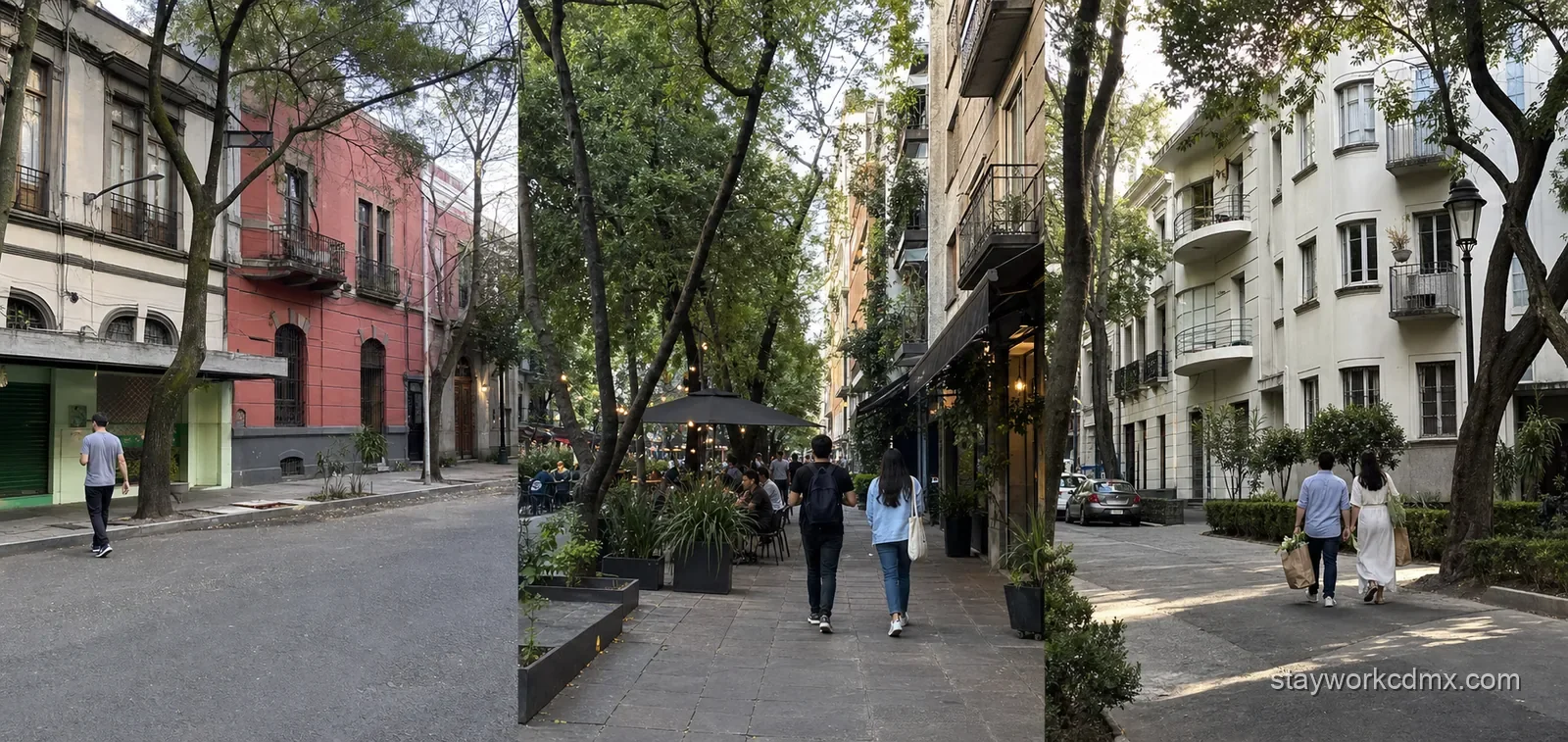
Roma Sur is a transport bridge rather than a single station neighborhood. It links Roma Norte and Condesa to Centro Médico, Hospital General, Del Valle and south-central CDMX. That makes it particularly useful for a 30+ night stay, but the same connections can mean crowded platforms, busy avenues and a difficult last block.
Use this guide with Roma Sur monthly cost and routine and Roma Norte vs Roma Sur to choose the apartment, not only the map label.
Quick answer
Is Roma Sur accessible for long stays?
Roma Sur is strong for guests repeating routes through Chilpancingo, Hospital General, Centro Médico, Etiopía and Eugenia. Metro Line 3/9 covers medical and central-south trips, and you can walk to Mercado Medellín and Roma Norte.
For mobility needs, test the exact hospital or office entrance, station equipment and building lift. Roma Sur is connected, but not every block is flat, quiet or step-free.
The answer in one table
Roma Sur transport fit for a 30+ night stay
| Route need | Best corridor | Long-stay caution |
|---|---|---|
| Roma Norte/Condesa | Chilpancingo, walking and Insurgentes | Crowds, restaurants and busy crossings |
| Hospital General | Line 3, Hospital General station | Shift-change traffic and platform crowding |
| Centro Médico | Line 3/9 and nearby Metrobús | Verify the correct hospital entrance and exit |
| Del Valle/Coyoacán | Etiopía, Eugenia, División del Norte and Line 3 | Long avenue crossings and last-mile distance |
| Airport/luggage | Planned rideshare or Metro connection | Building lift and taxi stopping point |
Line 3, Line 9 and the real route
The official Hospital General page lists Line 3 through Hospital General, Centro Médico, Etiopía and Eugenia, with an MXN 5 fare and connections to Metrobús and the Eje 2 Sur trolleybus. Line 9’s Chilpancingo and Centro Médico stations add an east-west option. The official payment page lists Metrobús at MXN 6.
For a long stay, map the route all the way from the apartment to the actual destination door. Hospital campuses have multiple entrances, and offices can sit on a different side of an avenue. A route that adds one train stop but removes a dangerous crossing may be the better accessibility choice.
Accessibility around hospitals and markets
The Metro accessibility equipment page changes as lifts and escalators are repaired, so check it before every important trip. Ask the host which station exit is easiest and whether a taxi can reach the building entrance.
Roma Sur’s sidewalks can be mixed. Around Mercado Medellín, market activity, parked cars and deliveries narrow the space to walk. Around hospitals, shift changes and taxis add traffic. Check the apartment separately: the lift, lobby steps, bathroom shower, bed height and workspace clearance.
Long-stay route patterns
Medical residents and patient families get the most from Roma Sur’s Line 3/9 redundancy. Remote workers do well when they can walk to the market and keep important calls at home. Couples get the network nearby without both people needing to commute for coffee or social plans. If you need the quietest apartment-first routine, compare Narvarte or Del Valle; if you need cafés right outside the door, compare Roma Norte.
Use Mercado Medellín for local errands and food, then test the route at the hour you will really leave. A Sunday walk does not predict a weekday hospital route.
A realistic week
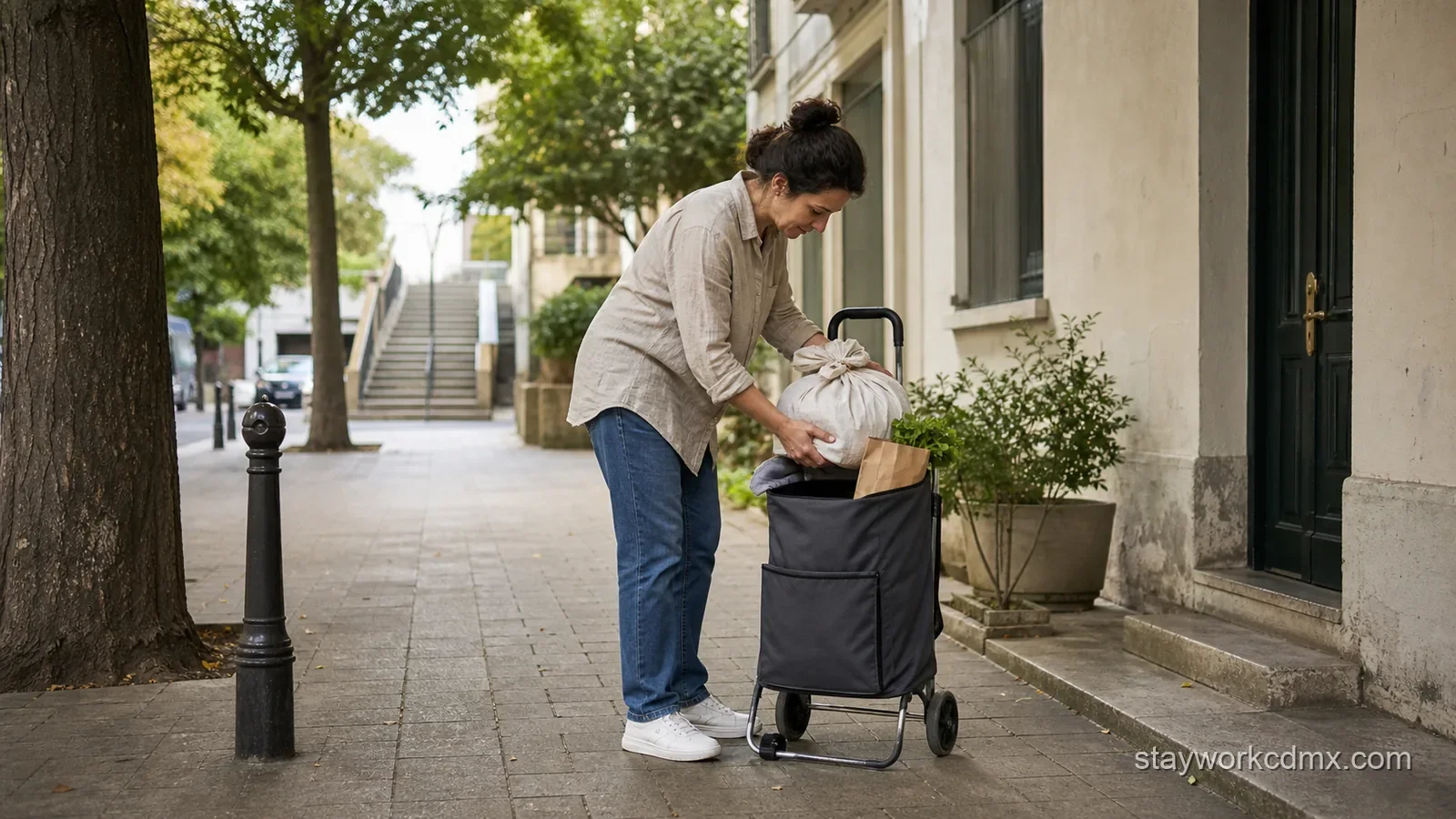
Monday checks the station, market, Wi-Fi and pharmacy. Tuesday is apartment-first work with a short walk north. Wednesday tests the medical or office corridor. Thursday is a planned Roma Norte or Condesa trip. Friday keeps the return route simple. Saturday uses the market and laundry. Sunday charges the hotspot and reviews any station maintenance notice.
Booking checklist
- Which station entrance and line direction are practical from this address?
- Is the route from sidewalk to lobby step-free?
- What is the current accessibility status of the station lift?
- Can the host show the route to the hospital or office entrance?
- Are market streets, avenue crossings or construction a problem?
- Can a rideshare stop at the building door?
- Is the bedroom quiet enough for early shifts and the desk suitable for calls?
- What is included in the final monthly total?
Use the monthly apartment checklist and confirm live dates through Book Direct .
Three door-to-door tests
For the hospital entrance test, put the apartment and the actual clinic, tower or emergency entrance into a route planner. Hospital General and Centro Médico each have several doors, so check which station exit, crossing and sidewalk lead to the one you use. A route that looks short from the station may still include a complicated avenue crossing.
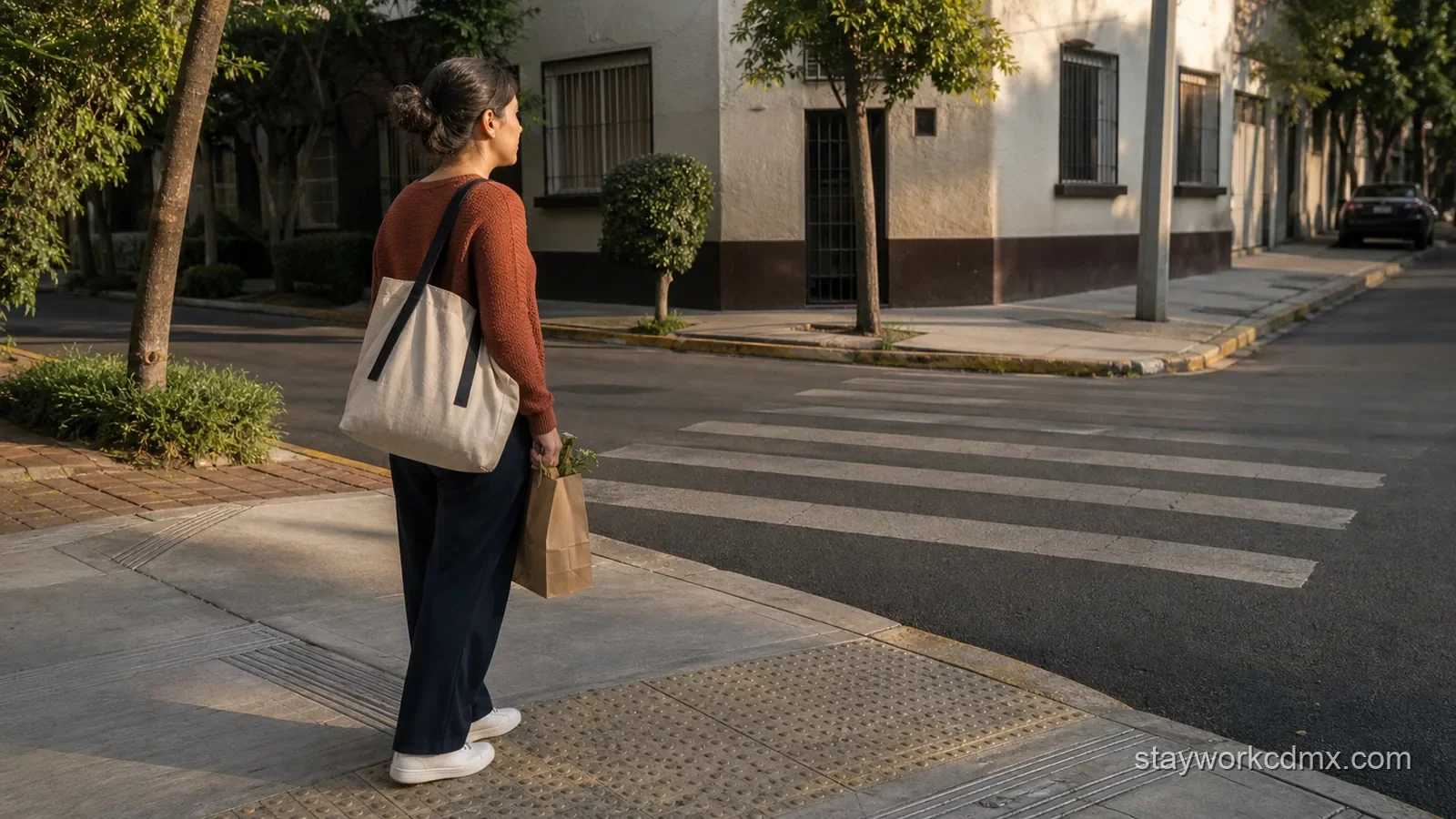
For the market test, walk from the apartment to Mercado Medellín with a reusable bag and check the sidewalk width, parked vehicles, market stalls and curb ramps. If you will buy water or groceries weekly, the route must work when you are carrying the weight.
For the late-return test, simulate coming back after a long shift or client dinner. Can a taxi stop at the building? Does the entrance have lighting and a doorman? Is the route from the station comfortable after dark? Count these details in the monthly housing decision.
Why central access can still cost more
Roma Sur’s Metro network reduces fares, but a central apartment can carry a lifestyle premium. A guest who chooses a weak unit may pay for daily cafés, rideshares and coworking to compensate. A quieter apartment with a proper desk can cost more upfront and less over the full month because it supports calls, cooking and rest.
Keep three transport lines in the budget: normal Metro/Metrobús, a rideshare reserve and an accessibility reserve for station outages or fatigue. The reserves keep a 30-night plan realistic when weather, maintenance or a long workday changes the route.
Accessibility protocol for a medical or work month
Before arrival, save the Metro accessibility status page and confirm the equipment at the station you intend to use. On the first day, test the route at shift hour. Ask staff for the accessible entrance and notice whether the transfer requires stairs or a long platform walk.
At the apartment, measure the lift, bathroom threshold and doorway to the bedroom. Ask for a chair with arms, a bed at a manageable height and a clear route to the kitchen. The best host response is specific: a photo, measurement or current video rather than “it should be fine.”
Who should choose Roma Sur?
Choose Roma Sur when you want Roma access, a real market and the medical/central-south network. Choose Narvarte when hospital routine and residential value are the priority; choose Roma Norte when you want daily cafés and nightlife; choose Del Valle when the apartment and longer southbound routes matter most.
Roma Sur route planning for 30 nights
Create a route card with two versions of every important journey: the normal public-transit route and a low-effort backup. For Centro Médico, write down the hospital entrance, station exit and the easiest crossing. For Roma Norte, note the quieter walking route rather than the most direct avenue. For airport day, save the building’s taxi pickup point and confirm whether luggage can pass through the lobby and lift.
A monthly guest should test the route when tired. Carry the bag you will actually use, leave at the hour you normally leave and notice stairs, platform gaps, crowds and places where a curb ramp is blocked. If the route is workable only on a quiet Sunday, it is not yet a long-stay route.
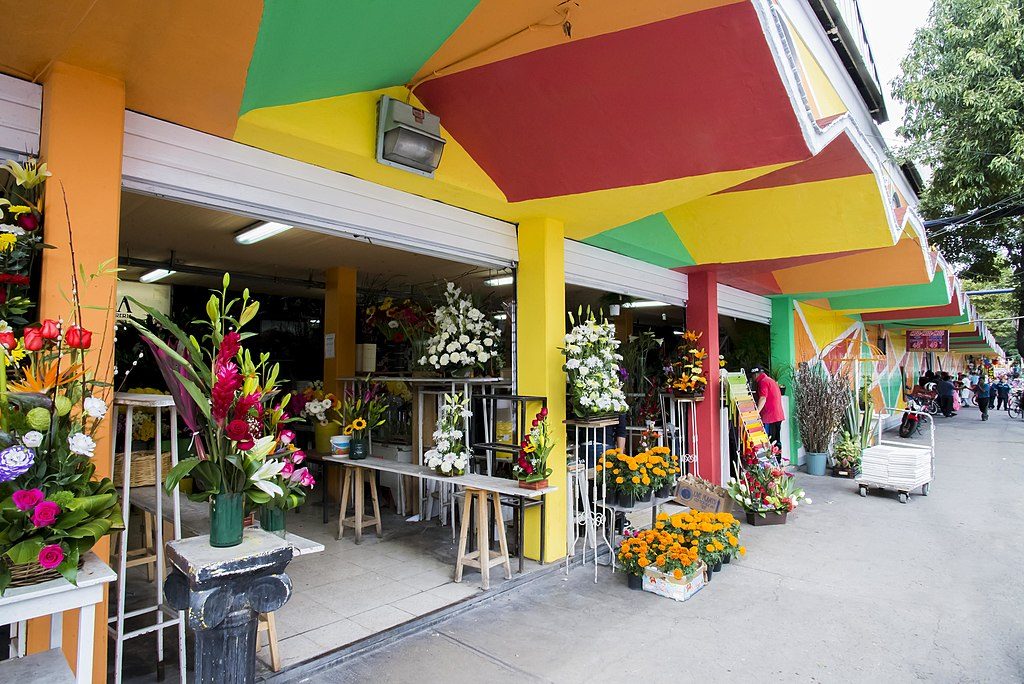
Roma Sur rewards an apartment that reduces unnecessary travel. With a useful kitchen, laundry, desk and reliable Wi-Fi, you go to the market or the Metro by choice instead of in an emergency. That matters especially for guests with medical schedules, mobility limits or different work hours.
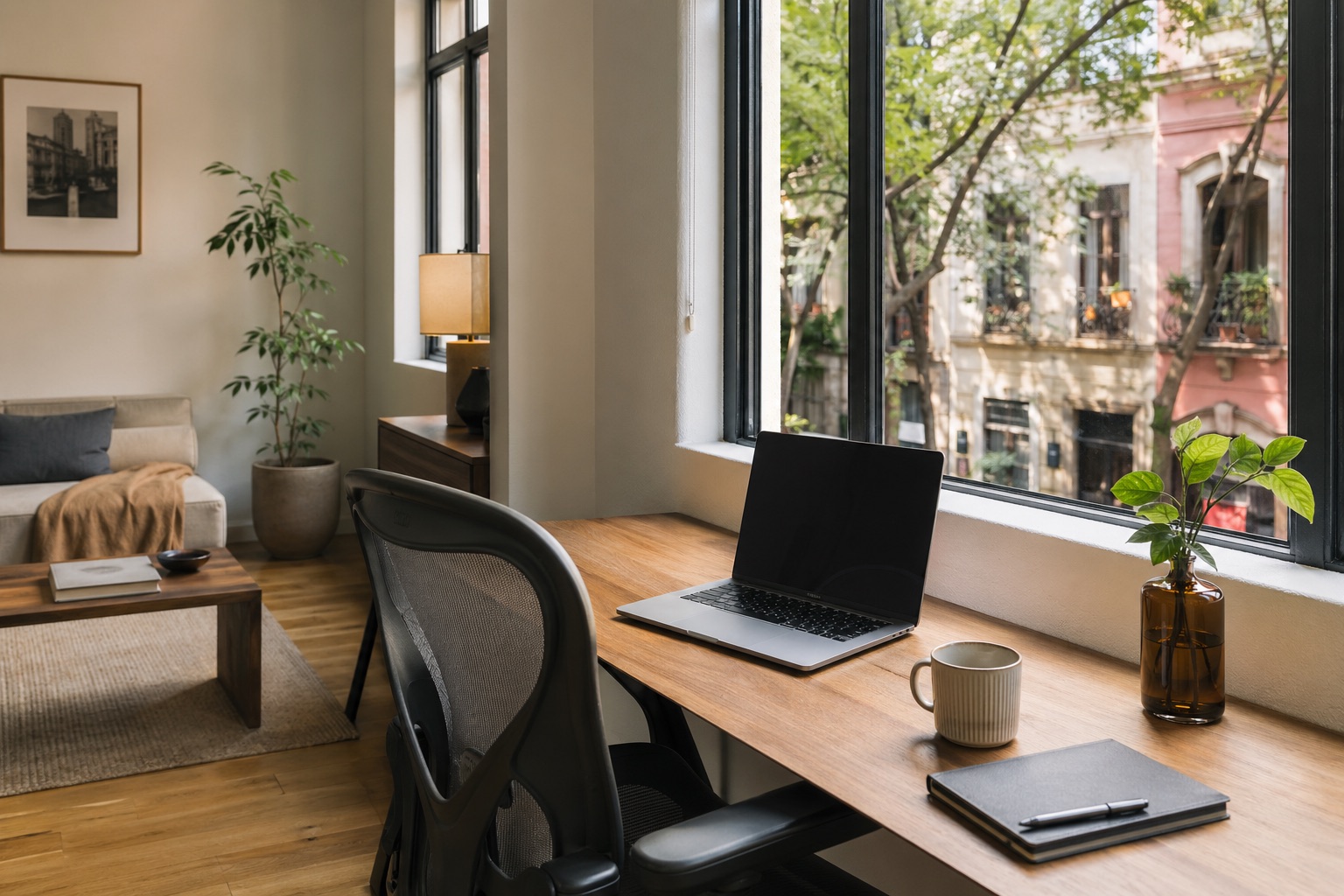
Keep the route evidence in your booking file
Save the exact station exit, hospital entrance, taxi pin and building contact in one note. On the first important trip, record the actual time, stairs, crossings, platform crowding and the point where you needed help. If the lift is out, ask staff for the accessible alternative and tell the host if the last mile needs a different pickup.
For a monthly stay, get the support terms in writing. Ask who responds to a building-lift failure, how quickly a Wi-Fi issue is handled and whether an accessibility-related room change is possible. The apartment operator cannot repair the Metro, but they can make the route from curb to apartment clear and solvable.
The monthly mobility reserve
Keep a small reserve for the trips that do not appear in a normal route planner: airport luggage, rain, a late shift, an elevator outage, a pharmacy run when exhausted or a day when the apartment needs maintenance. Regular Metro and Metrobús costs are low, but one well-timed rideshare can protect sleep and work quality.
For a medical stay, add the route to the exact hospital door and a backup pickup point. For a remote-work stay, add one quiet outside-work option but keep important calls at home. For two guests, compare the cost of separate daily rides with the rent premium for an apartment that has two work zones and easier access.
For a long stay in Roma Sur, the question is whether you can repeat the route, recover from it and still have energy for the rest of the month.
When the route changes
Rain, hospital shift changes, construction and station maintenance can change a Roma Sur route. Save the alternate station, the hospital or office entrance, a taxi pin and the building contact offline. If you depend on a lift, verify the official status before the important trip and leave time for a different entrance.
For a long stay, the best apartment is the one that still works when the preferred route is unavailable; a central address alone does not guarantee that.
A seven-day route diary
Monday tests the station exit, market and pharmacy. Tuesday works at home and walks north for a short change of scene. Wednesday takes Line 3 or 9 to the actual hospital or office entrance. Thursday uses a café or Metrobús backup. Friday plans the easiest route home. Saturday handles Mercado Medellín, laundry and one longer trip. Sunday checks lift status, weather and the taxi reserve. That way the guest uses Roma Sur’s network without traveling constantly.
What makes the last mile manageable
Measure Roma Sur in three pieces: building to curb, curb to station, and station to the actual hospital, office or market entrance. The central network helps only when those pieces fit together. Look for curb ramps, clear crossings, lighting, rest points and a lift from street to apartment. Ask for a video or measurements when the guest has mobility needs.
Keep the host contact and station accessibility status together with the booking confirmation. Decide the backup for a lift failure before the route becomes urgent.
Turn the central-south network into a livable month
Roma Sur is most useful when the guest connects several modest trips into one routine. Test the apartment-to-market walk with a bag, then continue to the station or clinic entrance you will actually use. Note the quietest crossing, the place where a taxi can stop and the section that becomes difficult when stalls or parked cars narrow the pavement. Record the route in a note rather than trusting memory after a long day.
Keep a normal route and a low-effort route for each repeated journey. The normal version may combine walking, Line 3 and a short final walk. The low-effort version can be a direct ride to Hospital General, Centro Médico or a late appointment. Add a realistic reserve for those rides. A low Metro fare does not remove the physical cost of a bad crossing, heavy groceries, rain or an elevator outage.
The apartment determines how often the route is needed. A real kitchen, laundry, desk and dependable Wi-Fi let the guest group errands and keep important calls at home. For a medical stay, a clear bathroom route and a lift are necessities. For a remote worker, the same features protect focus and recovery. Ask the host for measurements and a current video before treating a central address as accessible.
Review the evidence after the first week. If the route takes longer or more effort than expected, change the crossing, station, meeting pattern or apartment while the stay can still be adjusted. Make that change early, and Roma Sur’s market, hospitals and central connections support the month instead of turning it into a series of improvised trips.
Final verdict
Roma Sur is one of the best central-south transport choices for a long stay when the route points to hospitals, universities, Del Valle or Roma Norte. The network makes it accessible, but the building and the final block still need checking. Choose the route you can repeat when tired, carrying groceries or arriving after dark.
For monthly stays