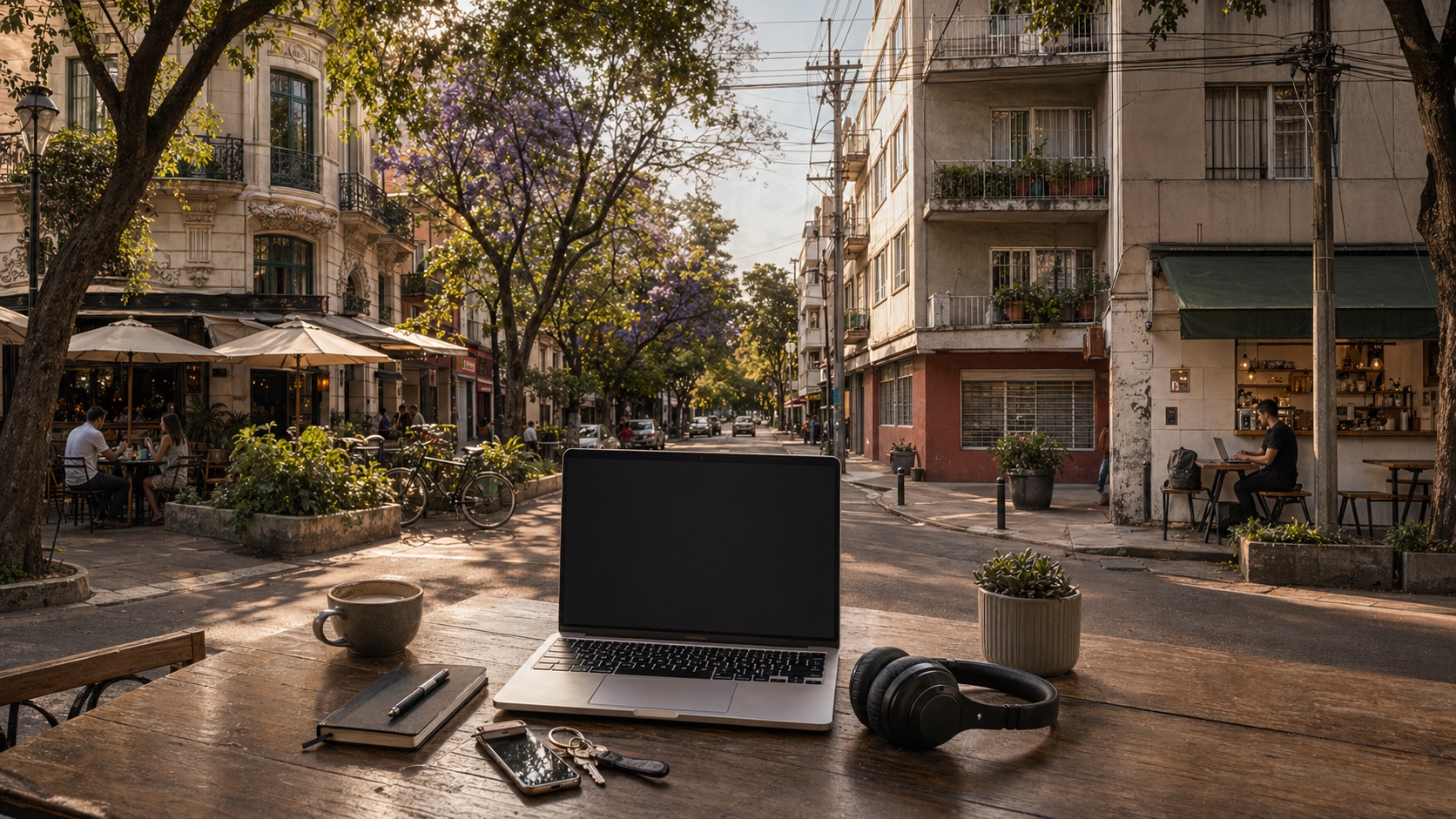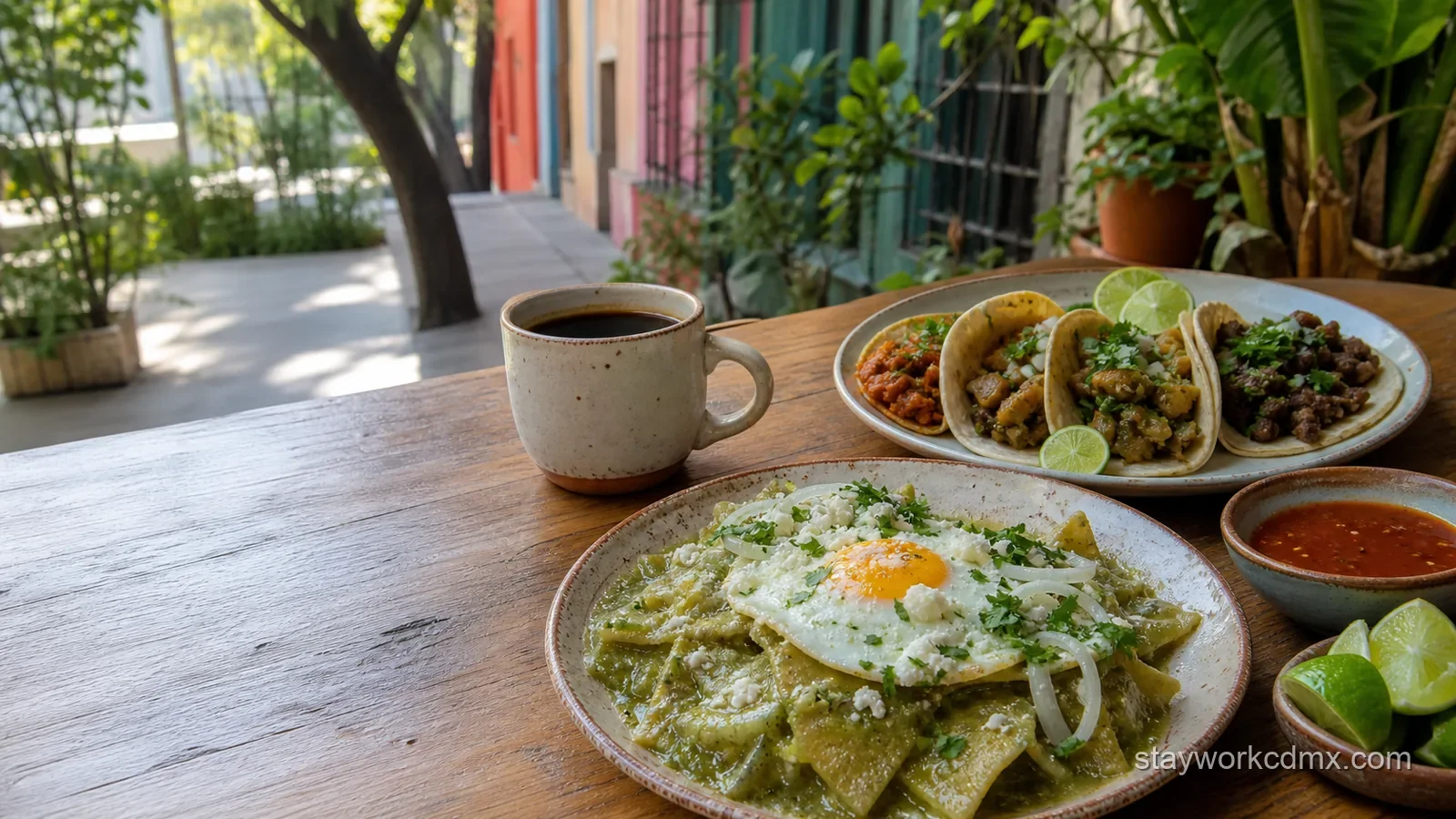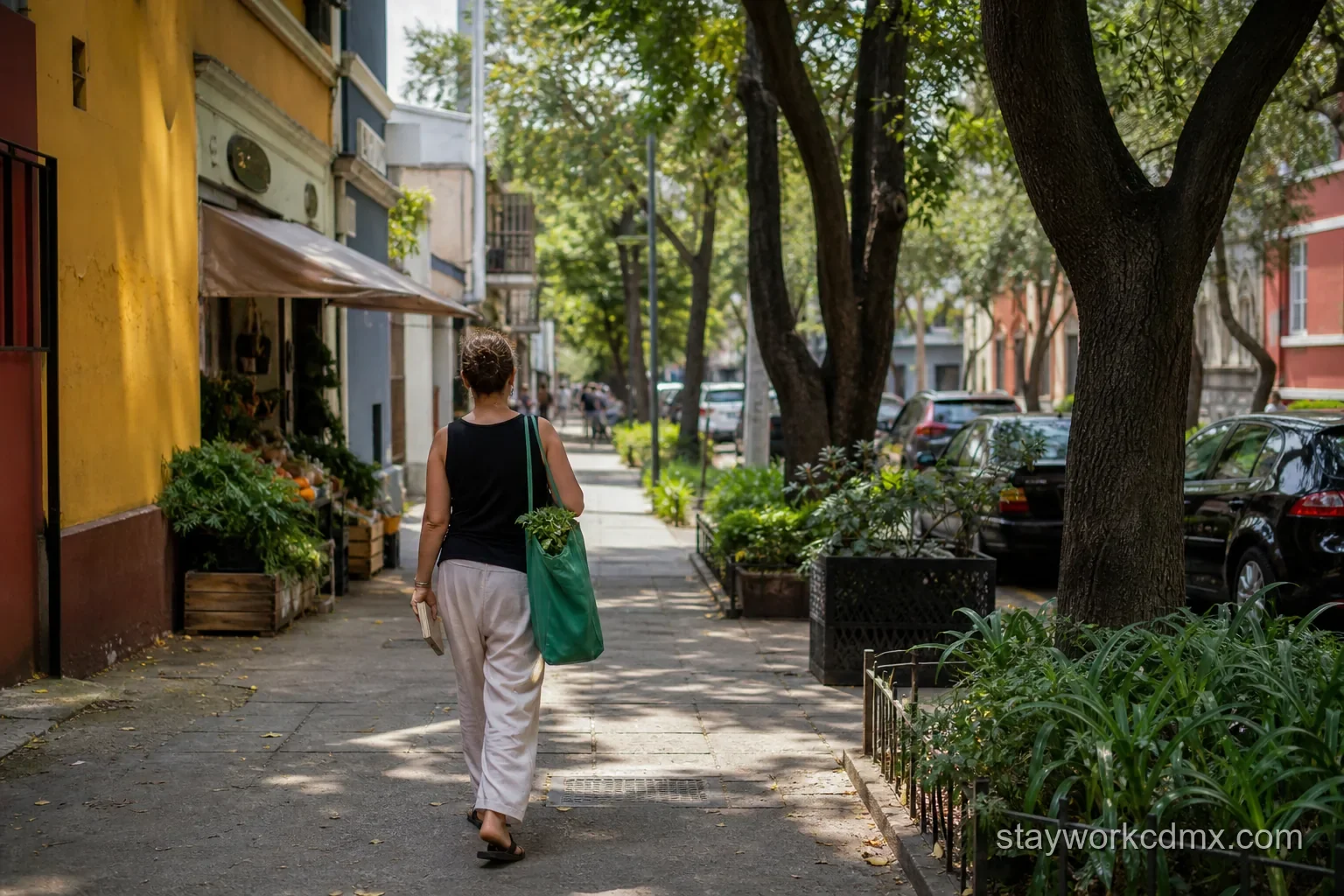
A Roma Sur monthly routine teaches you how to live the Roma cluster more locally. You still have Roma Norte and Condesa within reach, but a 30+ night stay works best when you use the neighborhood itself: a morning loop through Jardín Ramón López Velarde, a coffee close to home, Mercado Medellín for serious groceries, Mercado El 100 on Sunday, a library or bookshop when you need a quieter head, and an apartment that can carry a full workday.
This guide covers a 30+ night stay with work, cooking, laundry, exercise and recovery built in. Pair it with the Roma Sur transport and accessibility guide , the Roma Sur monthly cost and routine guide and the Roma Sur food guide before choosing a furnished apartment.
Quick answer
What does a good Roma Sur monthly routine include?
Roma Sur routine at a glance
A month of routines in Roma Sur
| Need | Best pattern | Long-stay check |
|---|---|---|
| Morning movement | López Velarde, Roma Sur side streets and the Roma Norte edge | Is the route comfortable with a bag and early-hour traffic? |
| Outdoor sport | Walking, running, Ecobici, mobility work and a nearby class or gym | Can you keep moving on a deadline or rainy day? |
| Café variety | Cafés along Jalapa, Orizaba, Baja California and the Mercado Medellín area | Do not make a café your only work plan. |
| Reading and culture | Casa Universitaria del Libro, Casa Lamm, small bookshops and planned Biblioteca de México trips | Check programming and public access. |
| Shopping | Mercado Medellín, Mercado El 100 on Sunday and Plaza Insurgentes | Separate fresh food from one-stop household shopping. |
| Recovery | Apartment cooking, laundry, a short walk and a low-travel day | Does the unit make staying in pleasant? |
The morning loop: López Velarde first
Jardín Ramón López Velarde is one of the most useful pieces of green space in the Roma Sur routine. It gives you a place to walk, stretch, sit with coffee and ease out of the apartment without committing to a long route. Start with ten minutes, then add a longer loop through Orizaba, Jalapa or the calmer side streets toward Roma Norte. Pick a path you will still take after a late night or a heavy workday.
For running, test the pavement and crossings before you build a daily plan. Roma Sur has busy avenues and restaurant activity; a route that is comfortable at 7:00 may be crowded by 10:00. Use short loops for weekday movement and save the longer Roma-Condesa walk for the weekend. Ecobici can extend the radius toward Chapultepec or the central corridor, but keep a walking fallback for days when stations are empty.
Huerto Roma Verde and low-pressure outdoor time
Huerto Roma Verde gives the neighborhood a different kind of outdoor routine: community gardening, workshops, social activity and a less polished urban green space. Check its current program before going because activities and access can change. Plan on it once a week and do not count on it as a daily gym. A visit can pair well with a small grocery run or a slow afternoon after calls.
On a long stay this helps your head as much as your body. A community garden or park gives you somewhere to go that is not a café and does not require spending money. Keep one outdoor activity that is social, one for exercise and one that is simply quiet.
Sport that survives a medical or work schedule
Roma Sur is close to gyms, yoga studios and classes in Roma Norte, but the most durable plan is usually modest: a short morning walk, two home strength sessions, one longer weekend outing and a class only when the calendar allows. If you are visiting Centro Médico or Hospital General, avoid a routine that expects an evening commute across the city after a shift. Choose movement near the apartment and use the larger parks or studios as optional additions.
Ask the apartment operator about a clear floor area, shower, laundry and storage for shoes or a mat. A kitchen that supports breakfast before an early appointment is part of your health routine. The best apartment makes exercise easy on an ordinary Tuesday, even if the most fashionable studio is farther away.
Cafés as a deliberate change of scene
The cafés around Jalapa, Orizaba, Campeche and Baja California let Roma Sur feel social without requiring Roma Norte prices or crowds every day. Build a small rotation: one early coffee near the apartment, one bright place for reading, and one casual café for a friend or low-stakes meeting. If you work remotely, save the café for after important calls.
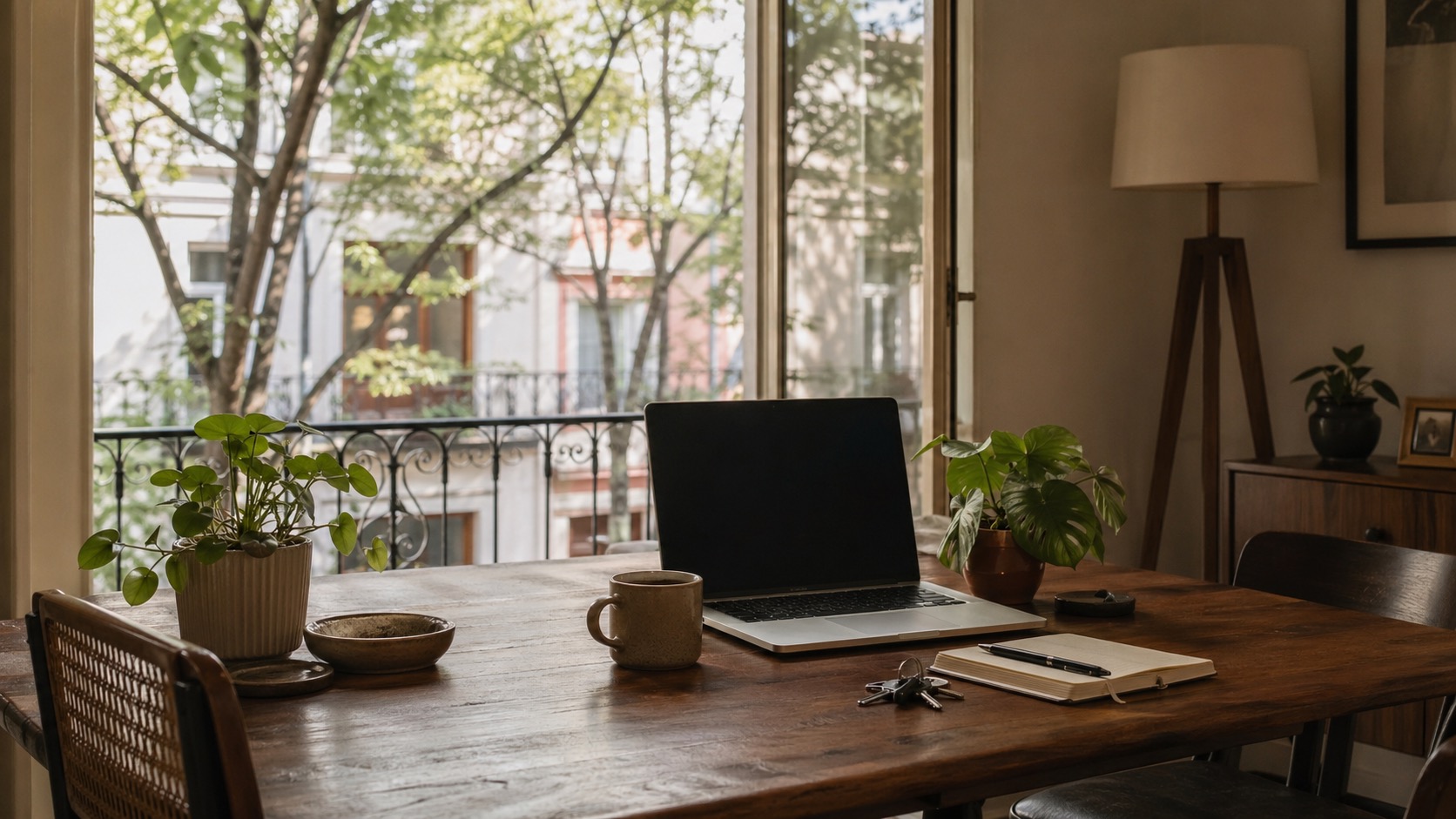
Take only the task that belongs outside: a book, a notebook, planning, or a short writing block. Keep confidential calls and deadline work in the apartment. That protects your concentration and spares you weak outlets, queue pressure and changing noise.
For couples, agree on a café rotation that gives each person some outside time without turning every afternoon into separate spending. Over a month, two work surfaces at home still matter more.
Libraries, bookstores and a quieter head
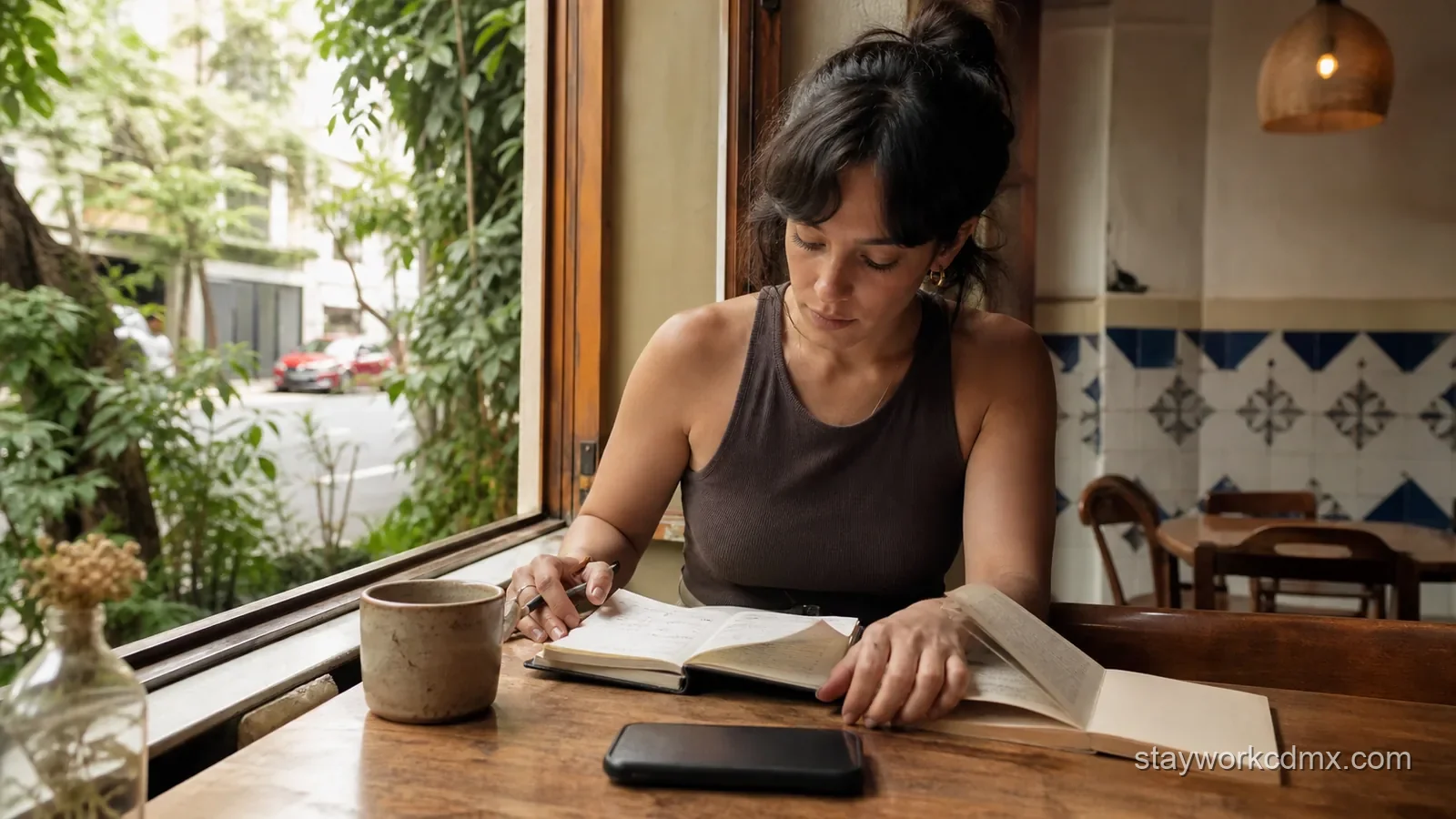
Casa Universitaria del Libro, just north of Plaza Río de Janeiro, is an easy cultural outing from Roma Sur. Casa Lamm adds exhibitions, courses and a bookish atmosphere. Both suit browsing, events and a mental change of gear; do not assume you can take a long video call there.
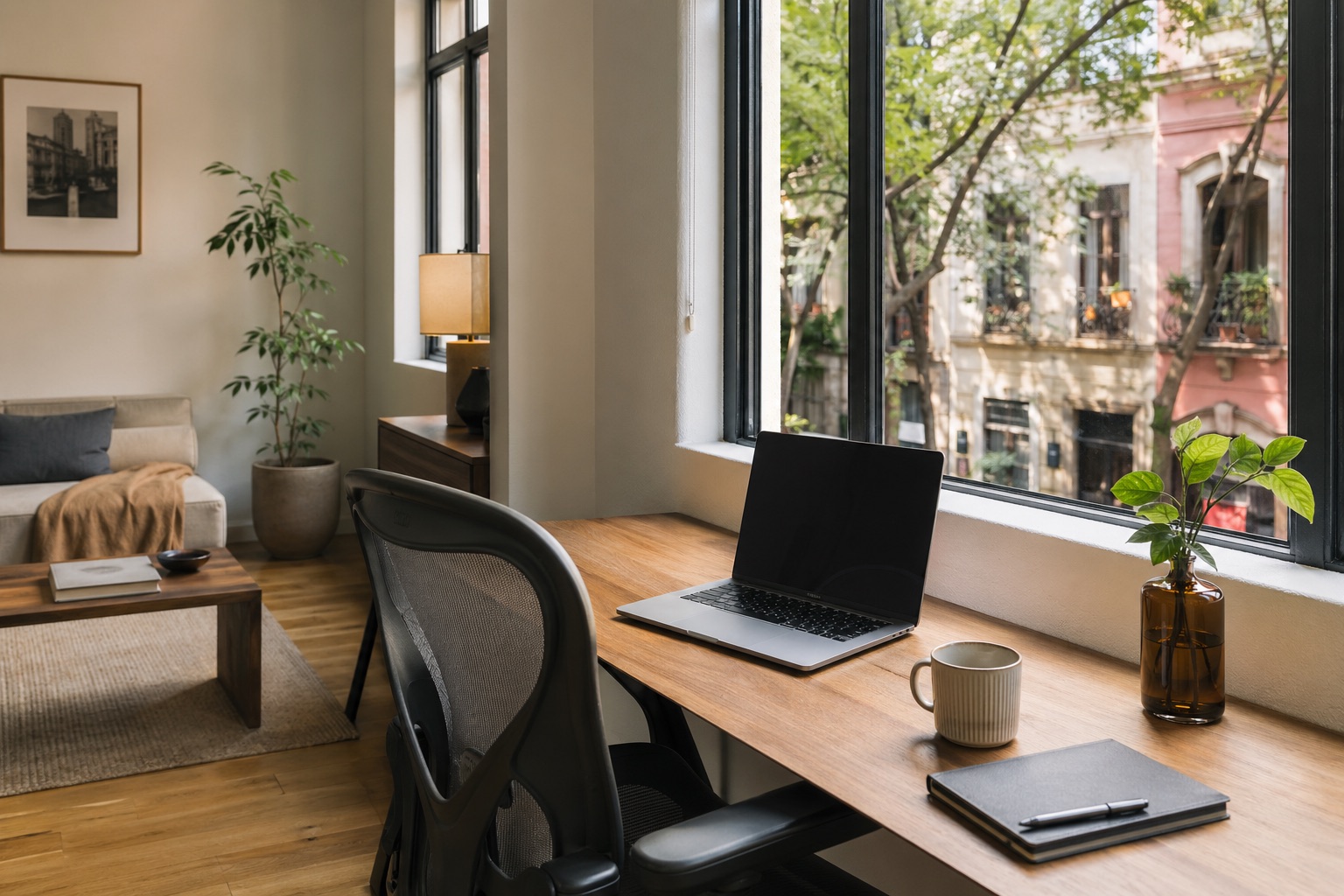
When you need a larger reading destination, Biblioteca de México at La Ciudadela and Biblioteca Vasconcelos in Buenavista are practical planned trips. Pair them with a central errand, a museum or shopping so the trip does double duty. If the apartment has a good desk and natural light, home may still be the best reading room. The routine should include one screen-free hour every week, even if it happens with a book in the living room.
Markets, Sunday produce and practical shopping
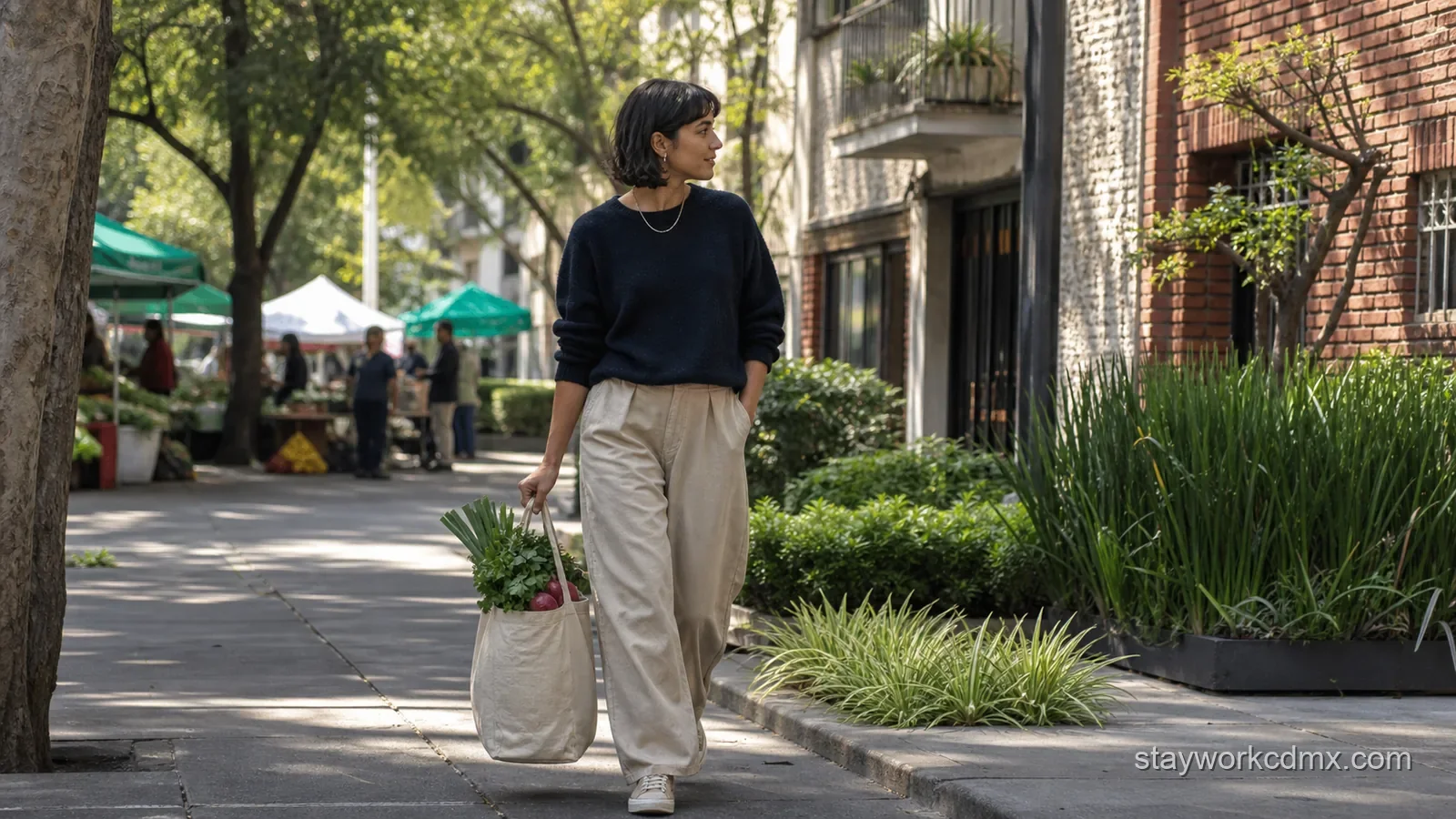
Mercado Medellín is the everyday anchor: produce, pantry ingredients, prepared food and the international character that makes Roma Sur feel connected to the wider city. Buy what you will use in three or four days, then return home before the bags become a burden. The market belongs to the neighborhood’s routine as much as to its visitors.
Mercado El 100 runs on Sunday mornings at the Roma Sur edge, with local producers, organic goods, coffee, soaps and prepared food. The official city listing gives a published Sunday schedule; check the market’s current channels before travelling because seasonal calendars can change.
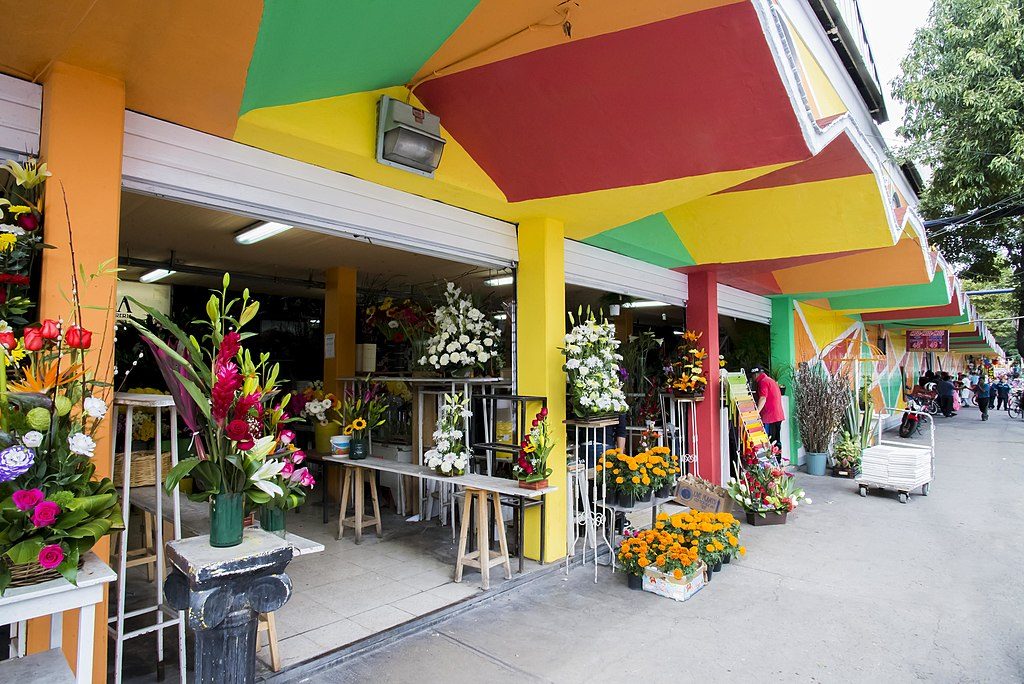
Use Plaza Insurgentes when you need a pharmacy, clothing, service or a practical indoor fallback. It also works for a rainy afternoon when you do not want to cross the city. Keep the rhythm simple: fresh food twice a week, pantry and household items every ten days, and one batch errand when the list is long enough.
What a Roma Sur monthly routine costs (MXN)
The market-first pattern above is the cheapest way to live a central Roma month, but do not expect a low-rent colony: Roma Sur is still high-demand territory, and its value comes from routine and apartment fit. Realistic 2026 bands for one remote worker on a 30-night stay:
| Line item | Lean month | Comfortable month |
|---|---|---|
| Furnished apartment | MXN 25,000–32,000 | MXN 32,000–45,000 |
| Groceries and market food | MXN 3,800–5,000 | MXN 5,000–7,000 |
| Restaurants and delivery | MXN 2,000–4,000 | MXN 4,000–7,000 |
| Cafés and coworking backup | MXN 700–1,800 | MXN 1,800–4,000 |
| Transport (Metro, Metrobús, rideshare reserve) | MXN 800–1,900 | MXN 1,800–3,700 |
| Mobile data backup | MXN 150–500 | MXN 300–700 |
| Estimated total before deposit | MXN 32,450–45,200 | MXN 44,900–67,400 |
The Roma Sur monthly cost guide itemizes these bands with current listing evidence. Roma Sur usually saves MXN 3,000–6,000 per month over equivalent Roma Norte or Condesa inventory; the Roma Norte vs Condesa monthly-stay comparison shows what that premium buys if you are tempted north. In the value corridor, Narvarte furnished monthly apartments rent for MXN 22,000–32,000 with quieter nights, and quiet residential Del Valle prices a full remote-work month at similar savings. Price both before you assume the Roma cluster is the only option. For the citywide picture, start with the ranked best neighborhoods in Mexico City for remote workers in 2026 .
A seven-day Roma Sur rhythm
Monday: setup. Walk López Velarde, check the apartment desk and Wi-Fi, and buy breakfast supplies. Keep the evening quiet.
Tuesday: home focus and café. Take calls at home, then use a nearby café for ninety minutes of reading or planning. Do a short mobility session before dinner.
Wednesday: culture. Visit Casa Universitaria del Libro or Casa Lamm and combine the trip with a pharmacy or laundry errand.
Thursday: market and sport. Shop at Mercado Medellín, use a gym or home session, and cook enough for two days.
Friday: local social time. Choose dinner or a small event nearby. Avoid turning the end of the workweek into a cross-city mission.
Saturday: longer radius. Walk toward Roma Norte or Condesa, visit a library or museum, or take a longer outdoor route.
Sunday: El 100 and reset. Buy produce, wash clothes, prepare meals and plan the week’s medical or work routes.
Low-energy days and the apartment-first plan
Roma Sur works well for a low-energy day when the apartment is comfortable to live in. Keep coffee, fruit, medicines, chargers and simple meal ingredients at home. Work in two protected blocks, take a short walk to López Velarde and use delivery when carrying groceries or dealing with rain makes an outing unreasonable. If the unit is noisy, dark or badly equipped, the routine collapses into unnecessary cafés and rideshares.
Ask the host how Wi-Fi, water, lift and maintenance issues are handled. Confirm where a delivery reaches the building and whether groceries can be carried from the curb without difficult stairs. On a 30-night stay, these details decide how the month runs.
Questions before booking
- Which park, café and market are closest to the exact building?
- Is the apartment quiet enough for sleep and early hospital or client calls?
- Is there a real desk, supportive chair, kitchen, laundry and storage?
- Can two guests work without sharing one narrow table?
- Is the route to Mercado Medellín practical with a heavy bag?
- Which indoor place is the backup for rain or a Wi-Fi outage?
- What happens if the lift, water or internet needs attention?
- Are cleaning, utilities, taxes and monthly terms written clearly?
Use the monthly apartment checklist , compare the Roma Sur cost and routine guide and check monthly apartments . When the unit fits the month, Book Direct and ask for the exact terms.
Make Roma Sur work after the first week
The first week in Roma Sur should answer practical questions: which side of the street feels easiest, how long the market route takes with a bag, whether the café you liked has a usable table, and whether the apartment remains comfortable after a full day of calls. Write the answers down. A month is easier when you do not have to rediscover the same route every Tuesday.
Create a default rhythm and a low-energy rhythm. The default includes López Velarde, two fresh-food runs, one culture or library block and a café afternoon. The low-energy version keeps breakfast at home, a ten-minute walk and delivery when rain, fatigue or a medical schedule makes carrying bags unreasonable.
Ask the operator about the details that sit between the neighborhood and the front door: lift reliability, delivery access, maintenance response, Wi-Fi backup and where a taxi can wait. A market, café or library can be close and still feel inconvenient if the building is dark, noisy or difficult to enter.
After the first seven days, protect the places that restore you. Roma Sur has enough choice to fill every hour, but the best long stay usually has fewer decisions: one morning loop, one café rotation, one market day and one Sunday reset.
The monthly operating check
After the first week, keep a short list of the places that made the routine better: López Velarde for movement, one café for a change of scene, one reading or culture stop, Mercado Medellín for food and one indoor backup. Roma Sur gives you enough access to Roma Norte and Condesa that it is easy to over-plan. A smaller local system is usually more sustainable.
Write a recovery version of the week. It should include breakfast at home, a ten-minute walk, two protected work blocks, a simple dinner and no unnecessary crossing. Keep delivery and the host’s maintenance contact ready for heavy rain, a medical shift or a building problem. Falling back on the recovery version means the routine is doing its job.
At mid-month, compare the money and energy you expected with the reality. If a daily café is expensive, move one session home. A market run that is too heavy can be split or delivered. If the apartment cannot support sleep and calls, raise the issue early. Roma Sur lets you adjust the pattern without losing central access.
Final verdict
Roma Sur is a strong long-stay base for guests who want market life, outdoor breathing room, cafés and central access without making every day a tourist performance. Build the month around López Velarde, Mercado Medellín, a Sunday produce ritual, one quiet culture stop and an apartment that can carry your work and recovery.
For monthly stays