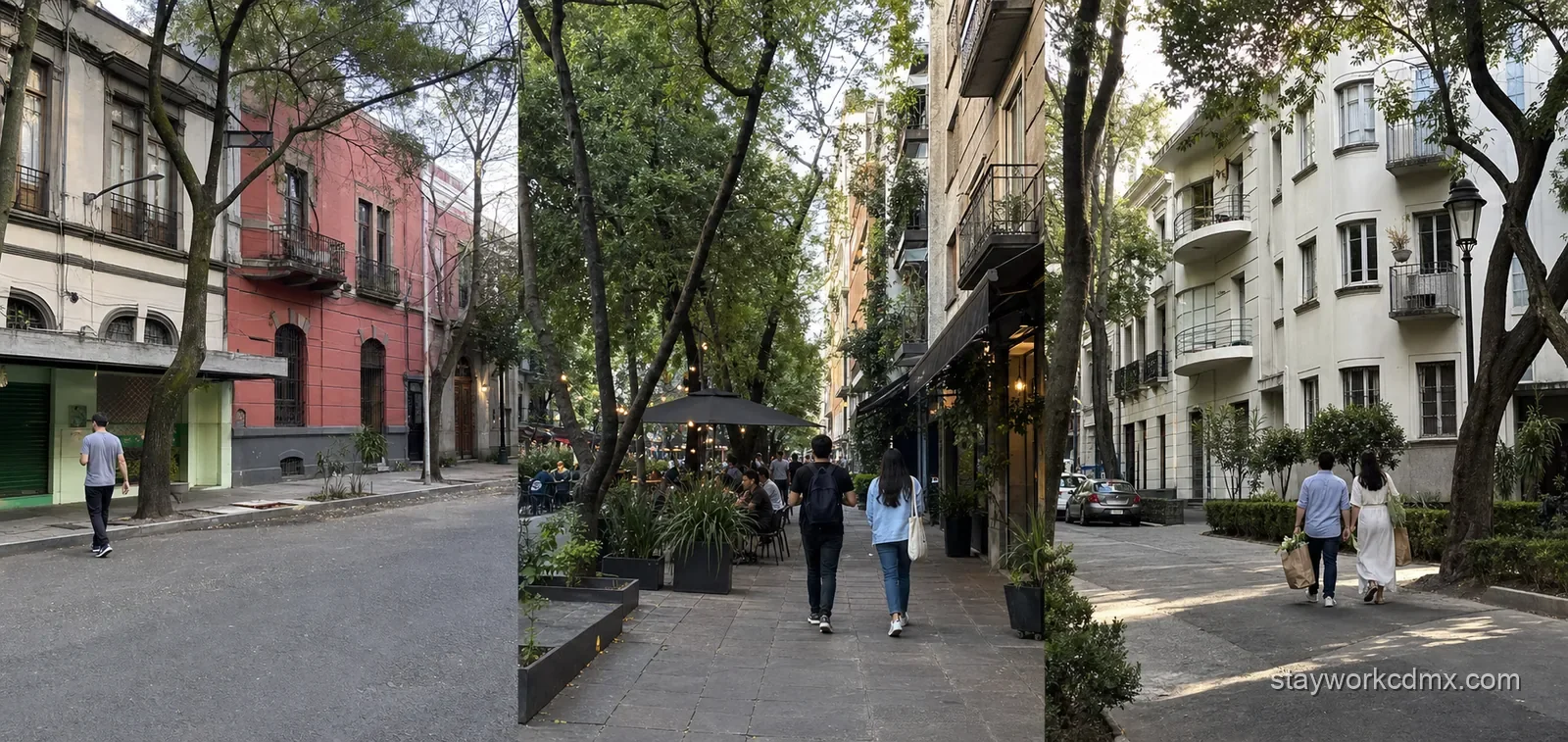
Roma Norte is the easiest Mexico City neighborhood to use on foot, but it is not automatically accessible. For a long stay, how close the apartment is to Roma Norte matters less than whether you can repeat your actual journeys from this building without turning every errand into stairs, traffic crossings or a rideshare.
Roma Norte suits guests who want cafés, restaurants, groceries, gyms and informal meetings within a walk, with Metro Line 1 and the Insurgentes corridor as a backup. It can also be noisy, crowded and uneven. Use this guide with Roma Norte furnished apartments and the Mexico City monthly rentals hub before choosing a 30+ night base.
Quick answer
Is Roma Norte easy for a long stay?
Usually yes for a guest who walks comfortably and wants a central routine with many options. The main anchors are Metro Insurgentes, Sevilla and Cuauhtémoc, plus Metrobús on Insurgentes. Most daily errands can happen on foot, which keeps transport cheap and flexible.
For a wheelchair, walker, older traveler or heavy luggage, confirm the specific station entrance, elevator status, sidewalk crossings, building lift and bedroom route. Roma Norte is walkable, but not step-free everywhere.
The answer in one table
Roma Norte transport fit for a 30+ night stay
| Need | What Roma Norte offers | What to verify before booking |
|---|---|---|
| Daily errands | Dense cafés, groceries, pharmacies and restaurants | Sidewalk width, curb cuts, crowding and delivery activity |
| Metro | Insurgentes, Sevilla and Cuauhtémoc on Line 1 | Which entrance is practical and whether the accessible equipment is working |
| Metrobús | Insurgentes corridor toward Reforma and south CDMX | Platform crowding, direction and the final walk to the stop |
| Airport day | Metro/Metrobús plus a planned rideshare with luggage | Building access, elevator, taxi stopping point and bags |
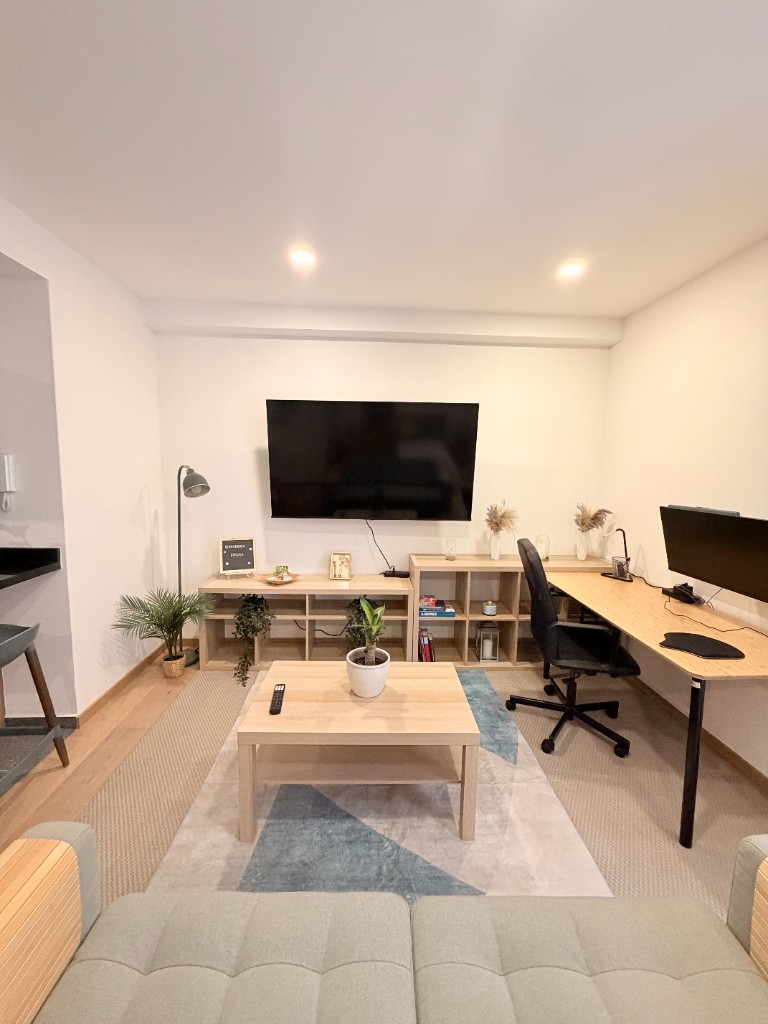
| Long-stay work | Many café and coworking backups | A real desk and reliable Wi-Fi in the apartment, not only nearby cafés |
Metro, Metrobús and the walking-first grid
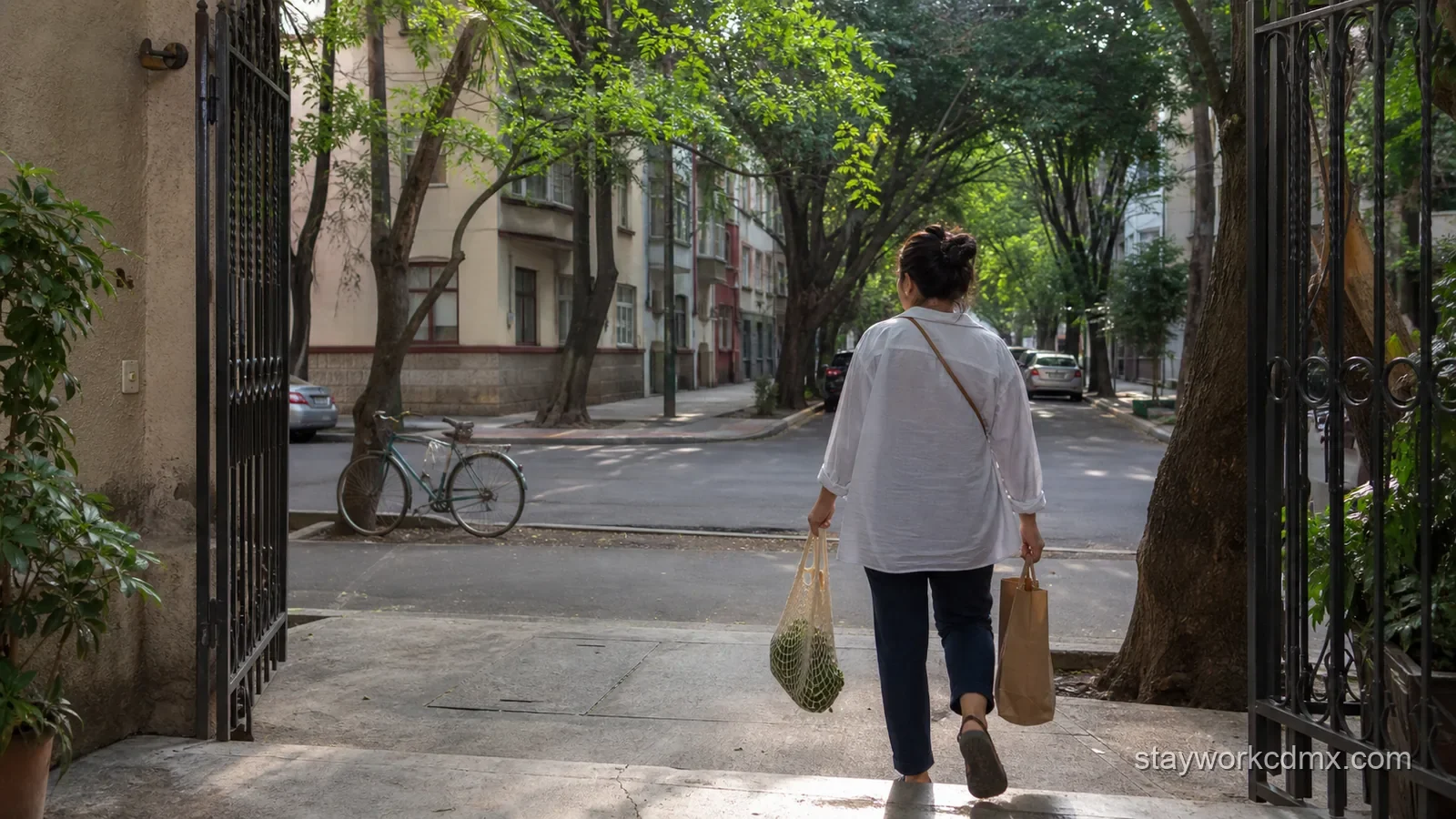
Line 1 stations around Roma Norte form a north-south spine: Insurgentes connects to Juárez and Reforma, Sevilla serves the eastern edge, and Cuauhtémoc is handy for Centro and the hospital corridor. Check the official Metro network and station pages for service changes. Metro fare is currently MXN 5.
Metrobús on Avenida Insurgentes can be more intuitive than the Metro for a visitor because stops are visible at street level. The official Metrobús fare page lists MXN 6 per ride and free transfers within the stated two-hour same-direction window. That transfer rule helps with long-stay errands, though platform crowding and boarding space vary.

The best Roma Norte routine is usually mixed: walk for breakfast and groceries, use Metro or Metrobús for a meeting, and reserve rideshares for rain, luggage or late returns. A 30-night guest who takes public transit for 44 weekday rides spends roughly MXN 220 on Metro fares before weekend trips. The bigger saving is avoiding daily taxis because the apartment is already in the right walking radius.
Accessibility is a route, not a station name
The Metro accessibility page lists elevators, escalators and stair-lift equipment by station and status. Check it just before travel: a listed lift can be temporarily unavailable, and the accessible entrance may be on another street. Insurgentes, Sevilla and Cuauhtémoc are busy stations; do not assume the busiest entrance is the easiest one.
On the street, inspect the final 300 metres. Roma Norte’s streets are tree-lined, but roots, parked cars, restaurant furniture, construction and high curbs can make a short route awkward. Ask the host for a current video from the building entrance to the practical station entrance. If you use a walker or wheel the luggage, ask specifically about curb cuts and whether the taxi can stop at the door.
Check the apartment too: steps from sidewalk to lobby, lift dimensions, shower threshold, bed height, kitchen clearance and whether the route to the workspace is unobstructed. “Elevator building” does not mean step-free entry.
Long-stay route patterns
Remote worker with few daily trips
Pick the quietest workable block over a station-adjacent one. A good desk and Wi-Fi let you walk to one café for a change of scene instead of commuting to coworking. Use Roma Norte’s remote-work checklist to test the unit.
Guest commuting to Reforma or Centro
Insurgentes, Sevilla and Cuauhtémoc are useful, but calculate door-to-door time, not station-to-station time. A 10-minute walk through crowds can be harder than a slightly longer route from a quieter block.
Medical or hospital visitor
Cuauhtémoc and Line 1 connections can work, but compare Roma Norte with Roma Sur or Narvarte if Centro Médico and Hospital General are repeated destinations. The Narvarte remote-worker guide covers that quieter hospital-corridor option. Read where to stay near Hospital General before assuming Roma Norte is the best central choice.
Couple or two-person team
The neighborhood has plenty outside the apartment, but both people still need a usable workspace. If one person works early and the other works late, prioritize a protected bedroom and separate call zone over a street-facing balcony.
A week of transport that makes Roma Norte work
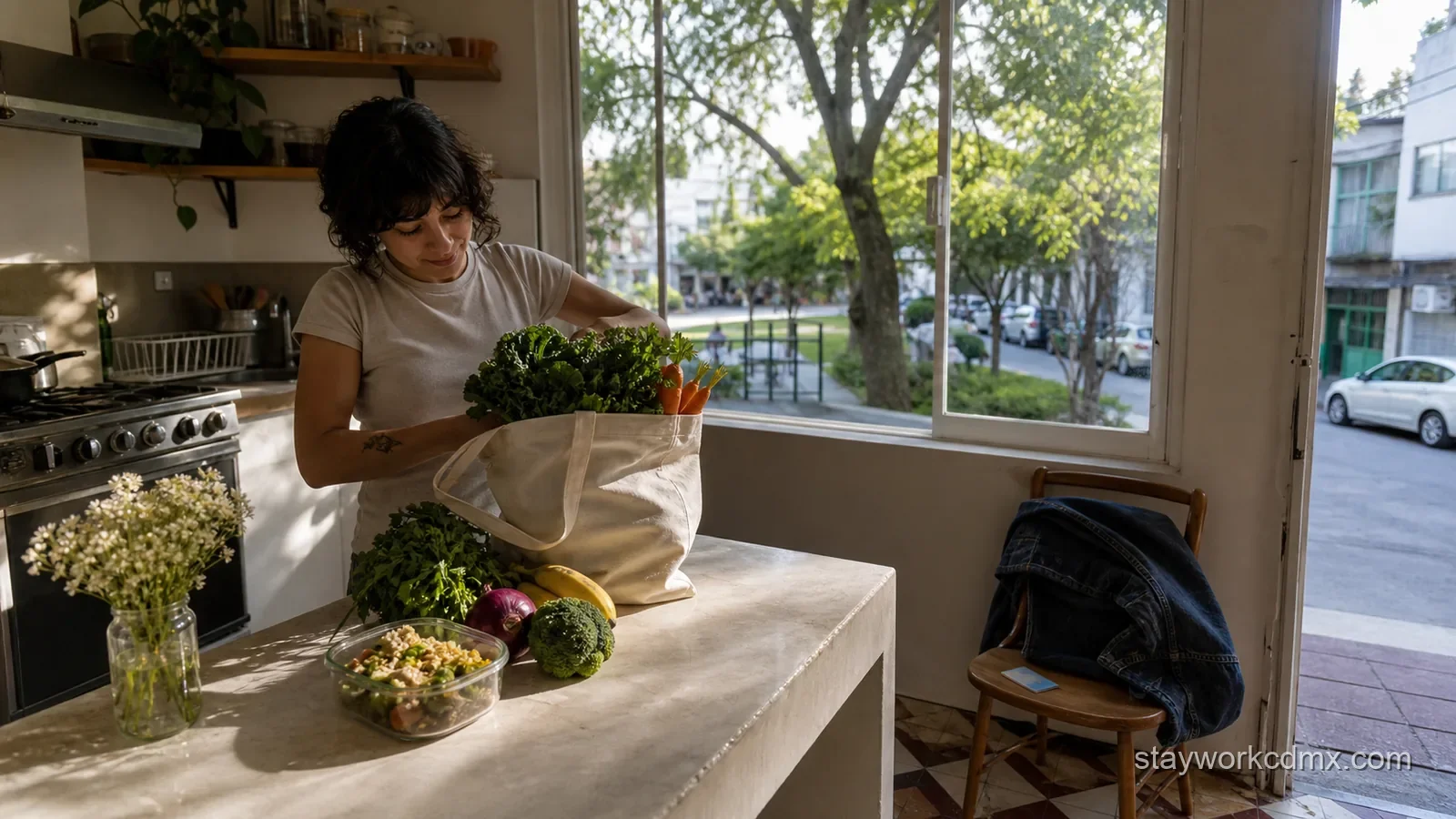
Monday should be a walking setup day: groceries, pharmacy, Wi-Fi test and a short daytime route to the station. Tuesday can combine apartment calls with a two-hour café block. Wednesday is a good day for a longer Line 1 trip toward Centro or Reforma. Thursday is for a planned dinner or coworking backup; Friday stays flexible because the neighborhood is busiest. Saturday uses the walkable grid for errands and one longer outing. Sunday resets the apartment and checks the coming week’s station routes.
The first week of this routine shows whether the address is walkable in practice. If the street is louder or the crossing harder than expected, ask for a solution right away instead of silently paying for taxis for the rest of the month.
Three door-to-door tests before you commit
For the Reforma test, put the exact apartment pin into a route planner for a 09:00 arrival near Reforma. Compare walking to Sevilla or Insurgentes with a direct rideshare. Include the lift or stairs at the destination. If the walk to the station is already uncomfortable, a listing that looks central may not be a good work base.
For the grocery test, mark the nearest supermarket, pharmacy and a place to buy water. Walk the route in Street View and look for crossings, steep curbs, construction and places where delivery motorcycles occupy the sidewalk. Then ask the host whether a trolley or delivery can reach the lobby without stairs.
For the airport test, assume one suitcase, a tired arrival and rain. Can a car stop at the entrance? Is there a lift from the lobby? Does the bedroom sit far enough from the street to sleep? This test often reveals more than the phrase “five minutes from Insurgentes.”
When walking is not the cheapest option
Roma Norte’s dense grid can make walking the cheapest choice, but accessibility and fatigue change the calculation. A guest who pays MXN 100–200 for a rideshare twice a week may still spend less than someone who books a cheaper apartment and needs a café, taxi or coworking day every morning. For a couple, the cost of two separate journeys can exceed the premium for a central, lift-served apartment.
Use a monthly route budget with three lines: public transport for ordinary trips, rideshares for weather, luggage or late returns, and a small backup for mobility or station outages. Keeping the amount visible prevents a common mistake: treating transport as free because the Metro fare is low while ignoring the last-mile cost.
A realistic 30-night transport budget for one person:
| Line item | Monthly estimate (MXN) | Notes |
|---|---|---|
| Metro rides (~30 at MXN 5) | 150 | Fewer rides because errands are walkable |
| Metrobús rides (~15 at MXN 6) | 90 | Insurgentes corridor trips |
| Rideshare reserve | 800–1,600 | Rain, late returns, busy weekends |
| Airport transfers (2) | 250–500 | Arrival and departure with luggage |
| Total | ≈ 1,290–2,340 | The walking grid keeps the transit share low |
A longer-stay accessibility protocol
On arrival, do a 20-minute audit before unpacking fully. Walk from the building entrance to the workspace, bathroom and bedroom. Test the lift, door handles, lighting and Wi-Fi. Then walk one block in each direction and locate the most comfortable crossing. Save the route and the nearest pharmacy in your phone.
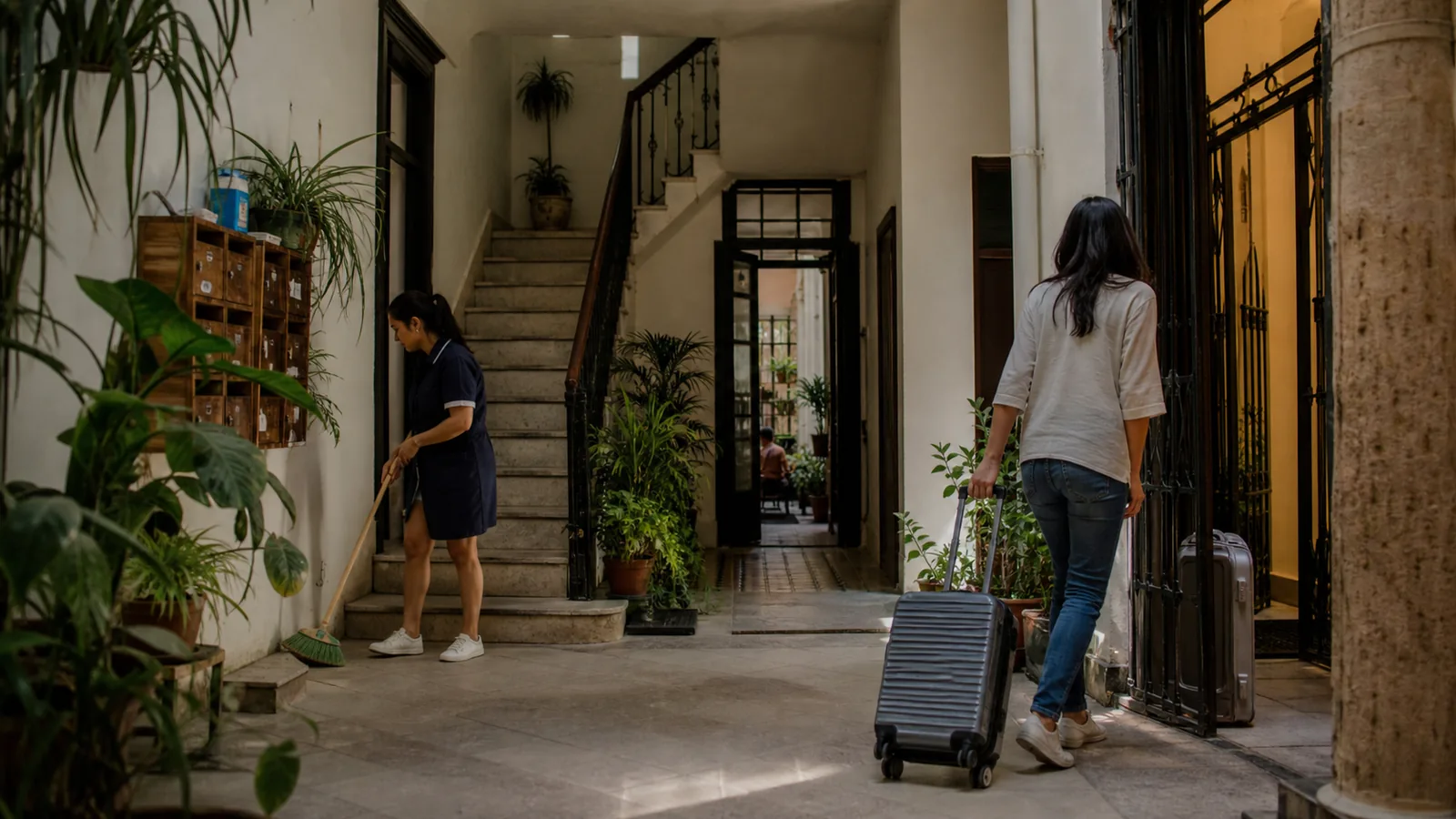
During the first week, travel once at the real peak hour. Note crowding, stairs, platform gaps, noise and whether a staff member can direct you to an accessible entrance. If the route fails, tell the operator early. A host who can move a room, arrange a ramp or recommend a different station is worth more than a listing with a polished photograph.

Roma Norte decision worksheet
Write down the three journeys you will repeat most, then score each apartment on walking time, station access, taxi access and building comfort. A listing that wins only on walking time may not win the month. Add a fourth journey for the airport or an urgent late return, because stairs and a confusing entrance matter most on the first and last day.
If the apartment sits near Insurgentes, ask about traffic and night noise. If it sits near Sevilla or Cuauhtémoc, ask which side of the avenue the entrance uses. If it is farther north or south, ask whether you will actually walk to the cafés and groceries that made Roma Norte attractive. A current video answers these questions better than any neighborhood adjective.
If the noise and crowding questions give you pause, Roma Norte vs. Condesa for a monthly stay compares the two most walkable options block by block, and the best neighborhoods in Mexico City for remote workers widens the shortlist beyond the famous colonias.
What to ask before booking
- Which Metro or Metrobús entrance is the practical one from this exact building?
- Is the route step-free from the sidewalk to the apartment?
- What are the elevator dimensions and current reliability?
- Can you share a daylight video of the final block and building entrance?
- Is the bedroom protected from Insurgentes, bars, deliveries or construction noise?
- Can a taxi stop at the entrance with luggage or mobility equipment?
- What is the backup plan if the station elevator, building lift or Wi-Fi fails?
- Are utilities, cleaning, parking and any accessibility equipment included in the total?
Use the monthly apartment checklist and then Book Direct to confirm the exact unit and dates.
When the route changes
Mexico City mobility changes with rain, demonstrations, construction, school traffic and station maintenance. Keep the destination address, a second station and the taxi pickup point saved offline. If you rely on a lift or stair lift, check its current status before a time-sensitive trip and leave extra minutes for an alternate entrance. With that preparation, Roma Norte is suitable for a long stay: the neighborhood has the options, and the apartment and route card make them usable day to day.
A seven-day route diary
Monday is the apartment-to-grocery walk. Tuesday is a home-work morning and a short café change of scene. Wednesday uses Line 1 for the longest meeting. Thursday tests the backup station or Metrobús. Friday returns before the popular corridors fill. Saturday handles laundry and one longer outing. Sunday checks the week’s station status and prepares a rideshare reserve. This diary keeps a visitor from spending every day in motion just because Roma Norte has so many choices.
Turn the transport research into a monthly operating plan
Transport research only helps when it changes how you choose and use the apartment. On arrival, write the normal route on one side of a note and the low-effort route on the other. The normal route might be a walk to Insurgentes and Line 1; the low-effort version might be a direct car from the building. Add the destination entrance as well as the station name. With that note, a tired guest can pick a route without searching again.
During the first seven days, compare the route at the same times you will use it later in the month. A ten-minute walk at 11:00 can become a much slower crossing at 08:30, and a station that feels comfortable on Tuesday may be crowded on Friday evening. Record the actual door-to-door time, the number of steps, the easiest side of each avenue and where a driver can stop. These details tell you more than the generic distance shown on a listing.
The apartment should cut down the trips you have to make. A desk that allows full workdays, a kitchen for breakfast before an early meeting and a lift that accepts luggage all reduce unnecessary movement. If the unit forces a café trip for every call, the neighborhood’s good transport will not rescue the month. Ask the operator how they respond to lift, water or Wi-Fi problems and keep that answer with the reservation.
At the end of week one, decide whether the address still works for the month you planned. If the route is tiring, change the station, shift the meeting pattern or ask about another unit while there is time. Roma Norte has many alternatives, but they only help if you act early on what you noticed and write it down.
Final verdict
Roma Norte is a strong long-stay choice when walking is your primary transport and Metro/Metrobús are your network backup. It has more redundancy than any neighborhood in this cluster, but the price of that convenience is crowding, noise and block-by-block street friction. Choose the building, and do not rely on the colonia label alone.
For monthly stays