Pet-friendly furnished apartments in Mexico City exist in every central neighborhood, but availability is uneven across booking channels. Direct booking through local operators is the most reliable path for confirmed pet acceptance, fair deposits ($150-400 USD typical), and avoiding day-of-arrival surprises. Major chains (Sonder, Selina, most Airbnb hosts) default to no-pets or require case-by-case approval. The best neighborhoods for stays with dogs are Roma Norte, Condesa, Coyoacán, and Narvarte, all with real parks, dog-friendly cafes, and 24-hour vet access within 15 minutes.
Pet-friendly CDMX monthly apartments — TL;DR
Yes, pets are allowed in most direct-booked monthly furnished apartments in Mexico City, with a refundable deposit ($150-400 USD typical) and sometimes a cleaning fee. Best neighborhoods for dogs: Roma Norte, Condesa, Coyoacán, Narvarte. Best vet for emergencies: Hospital Veterinario Polanco (24/7, English-speaking). Worst path: relying on Airbnb’s “pets allowed” filter (30-40% of listings claim it; far fewer actually approve at booking).
Always disclose breed and weight at booking, never at check-in. Most disputes come from surprise dogs over 25kg or restricted breeds appearing on arrival day.
If you’re still mapping the market for furnished options, start with long term rentals in Mexico City for the inventory baseline. Neighborhood and pet decisions can wait until your budget and dates are clear.
The Pet Policy Landscape in CDMX Monthly Stays
There are four ways to book a furnished monthly stay in Mexico City with a pet, and their reliability varies widely.
Pet policy comparison across CDMX monthly stay channels (2026)
| Channel | Pet acceptance | Typical deposit | Real reliability | Surprise fees risk |
|---|---|---|---|---|
| Direct booking (local operators like StayWork) | Most allow dogs and cats with disclosure | $150-400 USD refundable | High — confirmed before payment | Low |
| Airbnb | ~30-40% claim “pets allowed”; far fewer actually approve | Host-set, often higher | Medium — depends on host | Medium-High |
| Sonder / Selina / corporate-chains | Usually no pets, no exceptions | n/a | Low | n/a |
| Long-term local lease (6-12 mo+) | Common with landlord negotiation | 1 month rent | Medium — landlord by landlord | Low |
Airbnb’s “pets allowed” filter is unreliable. Hosts set pet policy per listing, and enforcement at booking is loose: a host can mark “pets allowed” hoping to attract bookings, then reject specific pets at the booking-request stage (especially dogs over a certain size). For a one-month commitment to a city with your pet, that uncertainty is expensive. See book direct vs Airbnb for monthly apartments in CDMX for the broader pattern.
Google Maps perimeter check - Roma Norte vs Condesa
Roma Norte search area
Condesa search area
What “Pet-Friendly” Actually Means in CDMX
In Mexican Spanish, listing language matters:
- Se aceptan mascotas = pets accepted (generic, but usually means dogs/cats)
- Pet-friendly (loanword common in CDMX) = same as above
- Solo gatos = cats only
- Solo perros pequeños = small dogs only (typically under 10-15kg)
- Solo razas pequeñas = small breeds only
- No mascotas / no se permiten mascotas = no pets allowed
- Bajo condiciones = “under conditions,” usually meaning breed/size/deposit case-by-case
Most furnished apartments aimed at digital nomads and corporate stays will negotiate. Cats and small dogs are almost always approvable, while larger dogs (25kg+) take more conversation. Exotic pets (reptiles, birds, ferrets) are rare and usually require building-specific HOA approval.
Best CDMX Neighborhoods for Monthly Stays with Pets
Roma Norte: The Default Pet-Friendly Neighborhood
Roma Norte is the highest-density dog-walking neighborhood in CDMX:
- Parque Pushkin (Calle Sinaloa): small but dog-active, informally off-leash in early morning and after sunset
- Parque Río de Janeiro: larger, mixed-use, with shaded areas and a friendly dog community
- Calle Orizaba’s pedestrian-heavy blocks, where cafes (Almanegra, Pannart, Boicot Cafe) often allow leashed dogs on the patio
- Pet stores within walking distance: Petco Roma Norte (Av. Álvaro Obregón) and +Kota Roma Norte
- 24-hour vet access: Hospital Veterinario Polanco is 15 min by Uber
Roma Norte has limited dedicated off-leash dog parks, so most dog interaction happens at the cafes and small parks instead of large green spaces. For owners of high-energy dogs, this can feel insufficient. See Roma Norte furnished apartments for building-level inventory and monthly pricing.
Condesa: The Walking Neighborhood
Condesa is walkability-first for dog owners:
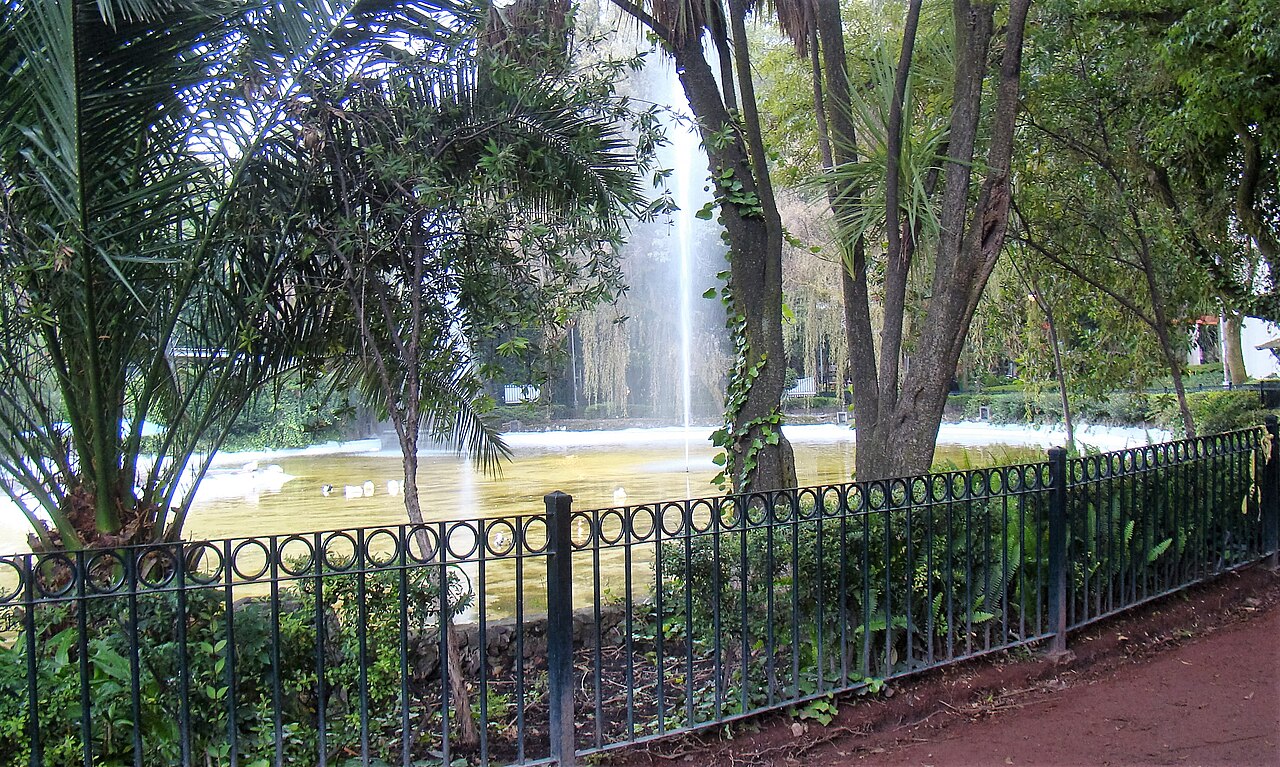
- Parque México: the largest park in central CDMX, with dedicated off-leash hours (typically 6-8am, 7-9pm) and a real dog community
- Parque España: adjacent and smaller, a complement to Parque México
- Av. Amsterdam: the famous oval-shaped, tree-lined street, designed for walking and dog-friendly the entire loop
- Cafes that openly welcome dogs: La Maraka, Pannart, Cafebrería El Péndulo Condesa
Parque México plus Av. Amsterdam makes Condesa arguably the best CDMX neighborhood for dog owners who walk their dog multiple times a day. It has slightly fewer commercial businesses than Roma Norte, though, so fewer cafes allow dogs. If you’re torn between the two areas, the Roma Norte vs Condesa monthly stay comparison covers costs, noise, and daily routine side by side.
Narvarte: The Affordable Pet Neighborhood
Narvarte has less dog infrastructure but real benefits:
- Parque Delta: a large open park, dog-active in mornings and evenings
- Parque San Simón: a smaller neighborhood park
- Quieter residential streets for predictable dog walks (less crowded sidewalks)
- Lower rent leaves more for vet, food, and daycare on 60+ night stays
- Petco and pharmacy access at Centro Comercial Plaza Delta
There are fewer dog-friendly cafes and less of a “dog community” feel, so Narvarte is better suited to owners who walk their dog and don’t need it to be a social entry point. See furnished monthly apartments in Narvarte for inventory, and the Narvarte remote workers guide for the full neighborhood picture: cafés, gyms, transit, and typical routines.
Del Valle: The Quiet Green-Space Pick
Del Valle, just south of Narvarte, beats most of the famous neighborhoods on raw park access:
- Parque Hundido: a sunken park with shaded circuit paths, one of the best repeat-walk loops in the city for a dog on a schedule
- Parque de los Venados: large, open, and dog-active mornings and evenings, with families on weekends
- Wide, calm residential sidewalks: strollers, joggers, and dog walkers instead of café crowds
- Metrobús on Insurgentes and Metro Line 3 keep Roma and Condesa social plans 15–20 minutes away
Rents sit in Narvarte’s value tier, below Roma’s premium, so here too the savings comfortably cover a walker, daycare, and vet budget. The trade-off is also the same: fewer dog-friendly cafés and a less visible pet-owner social scene. For costs, routine, and commute over a full month there, see the Del Valle monthly cost and routine guide for remote workers .
Coyoacán: The Slow-Pace Pet Neighborhood
Coyoacán suits dog owners who want a slower neighborhood with serious green space:
- Viveros de Coyoacán: a forest park (39 hectares) with a dedicated dog area, the largest green space accessible to remote workers in the south of the city
- Plaza Coyoacán: historic center, dog-friendly outdoor seating at multiple cafes
- Less tourist traffic = quieter walks, calmer dogs
Getting to Roma/Condesa social plans means a longer rideshare (30+ minutes). Coyoacán works best for remote workers who value a slower pace and lots of green space, and whose dog benefits from forest-style walks.
What a Pet-Friendly Furnished Apartment Costs in MXN (2026)
Pet acceptance rarely changes the headline rent, so the apartment itself prices like any furnished monthly rental. The deposit structure and your monthly running costs do change. Realistic 2026 bands for serviced furnished units:
| Neighborhood | Furnished 1BR (monthly) | Pet deposit (refundable) | Pet-friendliness verdict |
|---|---|---|---|
| Roma Norte | $28,000–$40,000 MXN | $3,000–$8,000 MXN | Best café + small-park scene |
| Condesa | $30,000–$44,000 MXN | $3,000–$8,000 MXN | Best walking circuit (Parque México) |
| Narvarte | $22,000–$32,000 MXN | $3,000–$6,000 MXN | Best value, quieter walks |
| Del Valle | $24,000–$34,000 MXN | $3,000–$6,000 MXN | Best repeat-walk parks (Hundido, Venados) |
| Coyoacán | $20,000–$30,000 MXN | $3,000–$6,000 MXN | Best green space (Viveros) |
On top of rent and deposit, budget for the pet’s own monthly line items at CDMX prices:
| Pet expense | Typical cost (MXN) | Notes |
|---|---|---|
| Quality dog/cat food | $800–$1,500/month | Petco, +Kota, and supermarkets stock US brands |
| Routine vet visit | $500–$1,200/visit | Well below US prices; English-speaking options in Polanco and Roma |
| Dog walker (paseador) | $100–$180/walk | Common in Roma, Condesa, Narvarte; often bookable weekly |
| Daycare (guardería) | $250–$450/day | Useful for long workdays or day trips |
| Grooming (estética) | $350–$800/session | Breed and size dependent |
| Pet cleaning fee (one-time) | $1,000–$3,000 MXN | Charged by some operators on departure; confirm upfront |
A realistic monthly budget with a medium dog
For a solo remote worker with a 15–25kg dog in a furnished one-bedroom:
| Line item | Narvarte | Roma Norte |
|---|---|---|
| Furnished 1BR rent (utilities + Wi-Fi included) | $24,000–$30,000 MXN | $28,000–$38,000 MXN |
| Groceries + eating out | $6,000–$10,000 MXN | $7,500–$12,000 MXN |
| Transport | $800–$1,500 MXN | $600–$1,200 MXN |
| Dog: food, 2–3 walker sessions/week, routine care | $2,000–$4,500 MXN | $2,200–$5,000 MXN |
| Realistic total | $32,800–$46,000 MXN | $38,300–$56,200 MXN |
The Narvarte discount funds the entire dog budget with room to spare, one reason 60+ night stays with pets skew toward the residential neighborhoods. For the citywide comparison beyond pet logistics, see the best neighborhoods in Mexico City for remote workers in 2026 .
What to Ask Before Booking with a Pet
For a 30+ night stay, these questions prevent surprises:
- Is the pet acceptance confirmed in writing before payment? Verbal “yes” doesn’t bind.
- What’s the refundable deposit amount and the refund timeline? Get the timeline (7 days, 14 days, “after inspection”) in writing.
- Is there an additional non-refundable cleaning fee for pets? Many operators charge $50-150 USD on top of the deposit.
- What’s the building’s HOA pet policy? The operator may allow pets but the building may impose breed/size restrictions independent of the rental.
- Are there breed or weight limits? If your dog is borderline (around 25kg or a borderline breed), confirm it before booking.
- Is there outdoor space? A patio, balcony, or rooftop garden matters for cats and small dogs.
- What’s the building’s policy on barking? Some Polanco and Roma Norte condominium buildings have noise complaints policies that effectively make a barking dog grounds for early termination.
- Where does the dog do its business? Some Roma Norte apartments have a small balcony patch of fake grass for indoor-trained small dogs.
For the broader pre-booking checklist beyond pets, see the monthly apartment checklist .
Cats and Small Pets: What Changes
Most of the neighborhood analysis above is dog logic: parks, walkers, café patios. With a cat, the neighborhood barely matters and the apartment is what counts.
- Window screens are the single biggest issue. Many CDMX buildings, including renovated Roma Norte and Condesa stock, have large openable windows with no screens. For an upper-floor unit, ask directly whether windows have screens or can be locked to a gap. High-rise syndrome is the most common preventable cat injury vets here see.
- Look at the balcony before booking, since railing gaps on older buildings are wide. Photos usually show enough to judge; ask for one if not.
- Confirm where litter can be disposed of (building chute, street collection schedule, or bagged trash room). Litter itself is easy to buy: Petco, +Kota, and most supermarkets stock the standard brands.
- Deposits run lower, typically $3,000–$5,000 MXN, and approval is faster because cats generate no noise complaints and no lobby traffic.
- A month is long enough to need a vet, so save the address of a walk-in clinic (Centro Veterinario México in Roma Norte is the common default) before you need it.
Rabbits, birds, and reptiles usually need building HOA approval, and many operators have no policy for them, so the answer defaults to no. Ask early and in writing.
Importing Your Pet to Mexico
For US/Canada/EU owners bringing their pet for a month or more:
Required documents:
- SENASICA health certificate, issued by a USDA-accredited veterinarian (US) or equivalent in Canada/EU and signed within 15 days of travel
- Proof of current rabies vaccination for dogs and cats over 3 months old
- Identification: name, breed, color, age (microchip optional but increasingly required by airlines)
What’s not required:
- No quarantine
- No additional blood titers for rabies (unlike Australia, Japan, UK)
- No microchip mandate at federal level
- No species-specific restrictions for common pets (dogs, cats)
Airline considerations:
- United Airlines, Aeromexico, Delta, and American Airlines all transport pets to MEX
- In-cabin (under 8kg with carrier) is the calmest option for small dogs and cats
- Cargo for larger dogs requires more planning, since temperature embargoes apply May-September for breed-specific routes
- Budget $150-400 USD one-way per pet for airline fees
How to Book a Pet-Friendly Furnished Apartment in Mexico City
This booking sequence avoids every common dispute:
- Shortlist by neighborhood first. Match the pet’s needs (off-leash time, walking circuits, green space) to the areas above before falling in love with a unit.
- Disclose species, breed, and weight in the first message. This step prevents the check-in-day argument.
- Get the deposit amount, refund timeline, and any cleaning fee in writing before paying anything.
- Ask the building question separately: “Does the building HOA have its own pet rules?” The operator’s yes and the building’s yes are two different yeses.
- Confirm the unit details that matter for your animal: window screens for cats, bedroom noise exposure for reactive dogs, elevator access for older or large dogs.
Direct-booked apartments also give you negotiating room that platforms don’t, an underrated pet-friendly advantage:
- Custom deposit terms (refund timeline, partial refund for normal wear)
- Building-specific intel (which units have outdoor access, which floors are quieter)
- Same operator for the full stay (Airbnb sometimes reshuffles, which breaks the trust built around pet policy)
- A real point of contact during the stay if pet-related issues arise (neighbor complaint, building HOA escalation)
- Concierge handling vet appointments, pet store deliveries, dog walkers
When you’ve confirmed dates, breed, and neighborhood preferences, book direct to confirm pet acceptance and deposit before payment. That’s the surest way to set up a monthly stay with a pet in Mexico City.