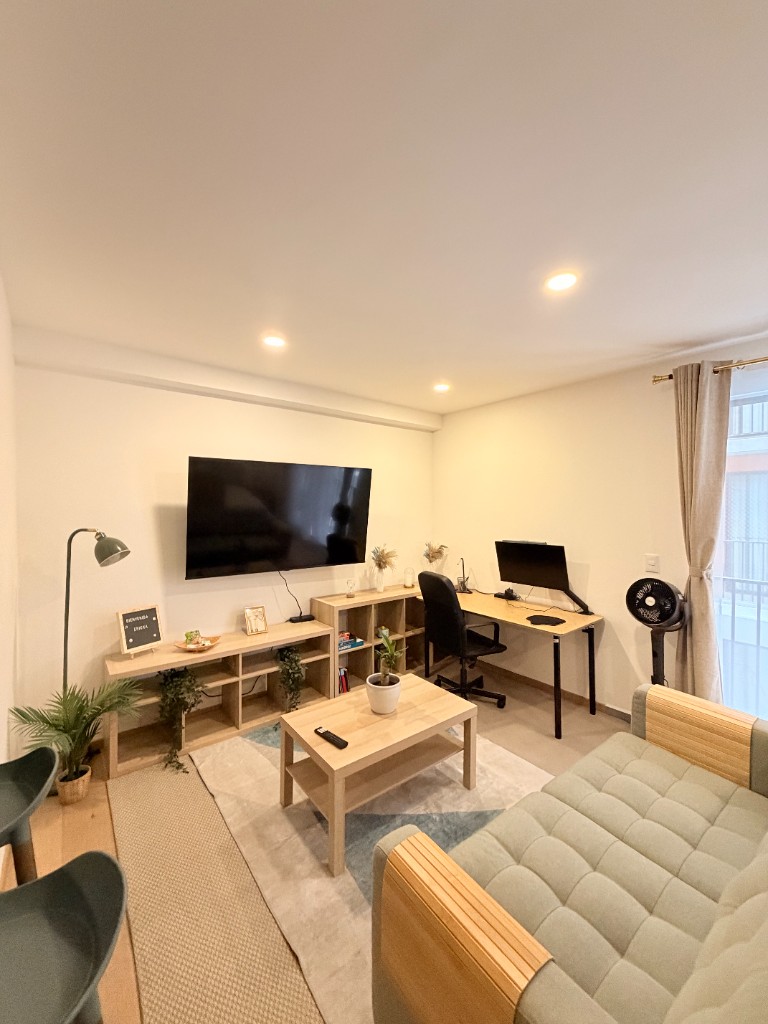
Mexico City altitude is not a detail you should ignore, but it is also not a reason to overdramatize the trip. CDMX sits around 2,240 m / 7,350 ft above sea level. That is high enough for many first-time arrivals to feel different during the first few days, especially if they are flying in from sea level, sleeping poorly, drinking less water than usual, and trying to work a normal calendar the next morning.
The honest version: most remote workers function fine. But “fine” may mean a dull headache, heavier legs on stairs, weird sleep, a smaller appetite, or a workday that feels 15 percent slower than expected.
If you are still planning the broader arrival week, pair this with the first week in Mexico City remote worker guide . If the apartment itself is the main decision, start with digital nomad apartments in CDMX so the desk, Wi-Fi, building access, and sleep setup are already handled before altitude joins the equation.
Quick answer
Quick answer
Mexico City altitude sickness is possible, but many visitors experience a milder gray zone: headache plus fatigue, restless sleep, less exercise tolerance, and feeling strangely off after a flight. Do not automatically blame every symptom on altitude. If symptoms are severe, worsening, unusual for you, or tied to an existing condition, get medical advice.
Why CDMX feels different after landing
The city is not at Cusco or La Paz levels, but it is still high enough that the body notices. The CDC Yellow Book frames altitude risk around sleeping elevation, recent ascent, and individual susceptibility. It also notes that unacclimatized travelers sleeping at 2,450 m and sometimes lower can be at risk for altitude illness.
CDMX is slightly below that 2,450 m reference point, but close enough that the practical advice still matters. You arrive quickly by plane, you sleep at altitude the same night, and your first morning often includes coffee, meetings, errands, and traffic. That combination is what remote workers underestimate.
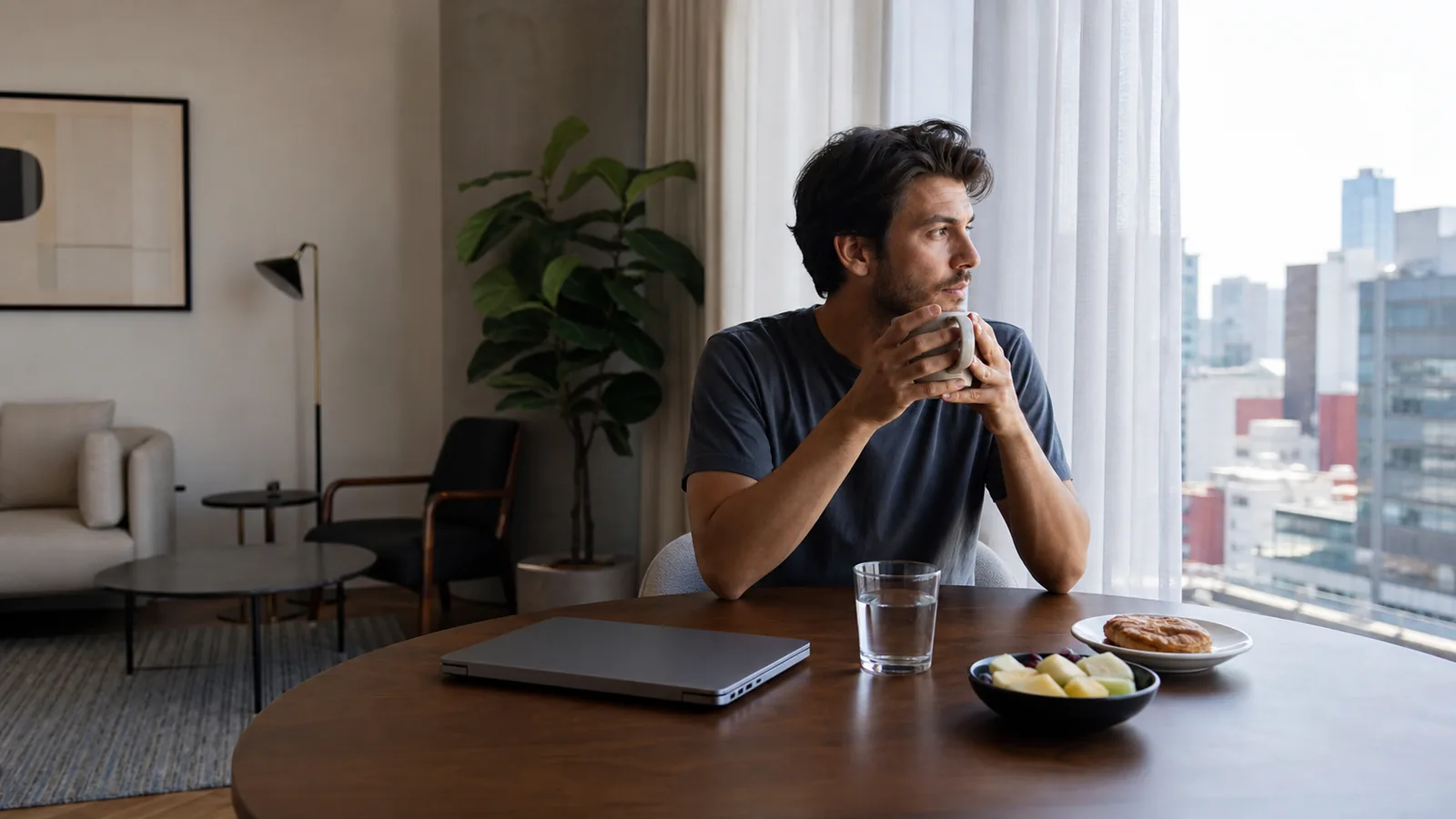
What the first 72 hours can actually feel like
Hours 0-12: You may feel normal at the airport and then strangely flat once you reach the apartment. That does not mean anything is wrong. Eat something simple, drink water, unpack the essentials, and take a short walk around the block. This is not the night to prove you can do Roma, Condesa, Centro, and a late dinner in one push.
First night: Weird sleep is common. Some people wake up often, breathe differently, or feel hot and dry even when the room is comfortable. The mistake is to treat that first bad night as a productivity failure. It is travel plus altitude plus a new city.
Day 1 workday: Keep the calendar boring if you can. Admin, async work, light calls, neighborhood errands, and grocery setup are better than a packed client day. If your schedule is fixed, reduce everything around it: no heavy lunch crawl, no ambitious workout, no late-night bar plan.
Day 2: This is often the “why am I still tired?” day. Headache, mild nausea, low appetite, or stair fatigue can show up after the first night. Keep caffeine consistent if you normally use it, because caffeine withdrawal can feel like an altitude headache. Hydrate, but do not turn water into a performance sport. Normal food, normal salt, normal pacing.
Day 3: Many people start feeling more like themselves. Do not immediately overcorrect by stacking a long run, a museum marathon, and dinner drinks. Let the body catch up.
Build a lighter first workday
Remote workers often plan arrival around the flight and forget to plan around the first calendar day. That is where remote workers get into trouble with CDMX altitude. They land at night, sleep badly, drink one coffee, then run four hours of video calls in bright, dry air and wonder why their brain feels slow.
A better first workday looks like this:
- Put your hardest call after lunch, not at 8:00 a.m.
- Keep errands within walking distance of the apartment.
- Buy breakfast food and water before you need them.
- Avoid testing a new cafe for your first serious call.
- Save neighborhood exploring for a low-stakes block.
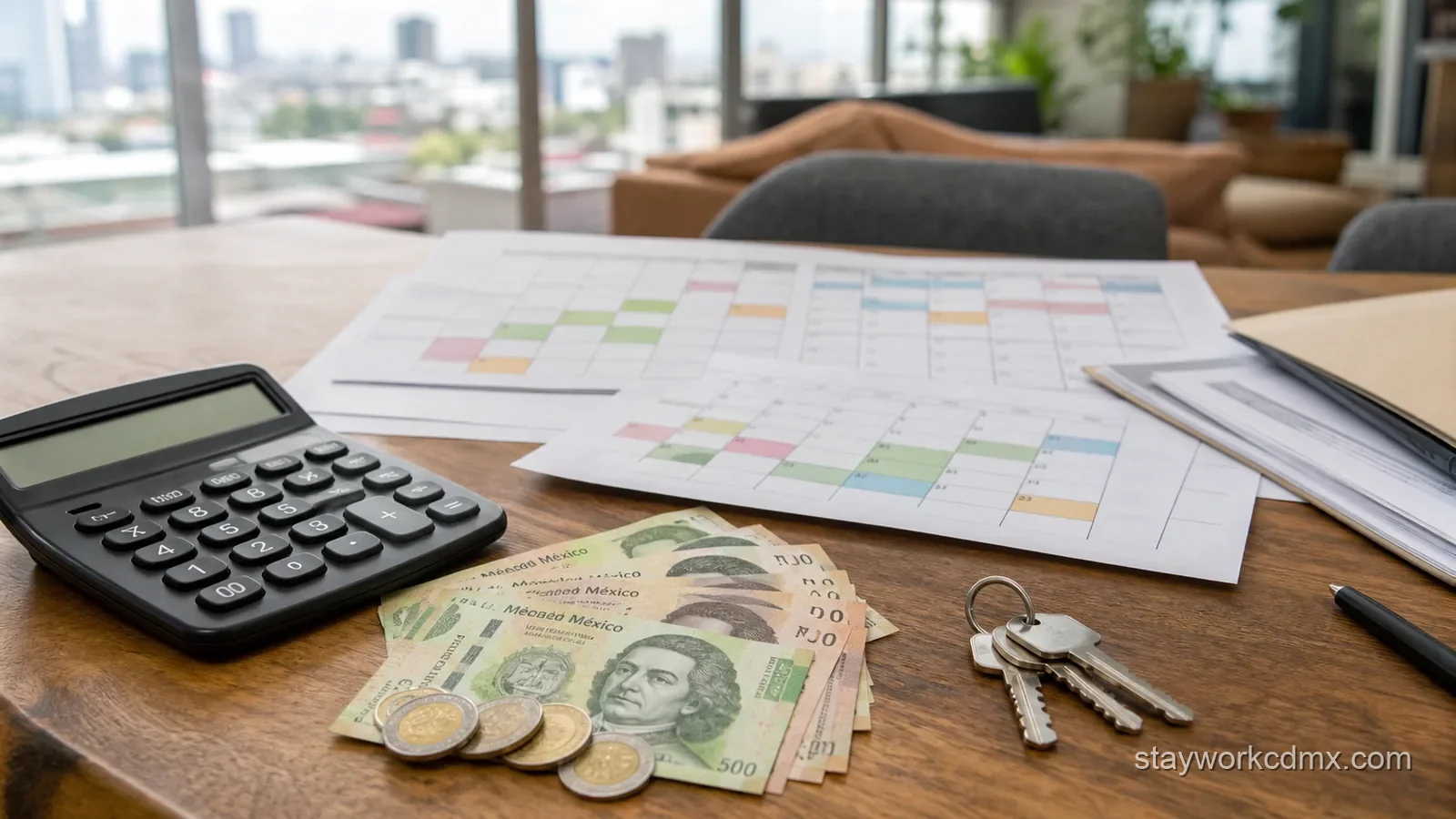
For budgeting the first few days, remember that altitude can change behavior: more rideshares, fewer late nights, more delivery meals, and maybe one coworking day if you need a controlled setup. A realistic arrival cushion for those first 72 hours, in MXN:
| First-72-hour item | Typical cost (MXN) |
|---|---|
| Airport ride to a central neighborhood (Uber/Didi) | $250 – $450 |
| Grocery run: water, breakfast food, simple meals | $500 – $900 |
| Garrafón (20 L drinking water), if not provided | $45 – $80 |
| Pharmacy basics: electrolytes, pain reliever | $150 – $300 |
| Delivery meals instead of restaurant hunting (2–3) | $350 – $700 |
| Short rideshares while you skip long walks | $200 – $400 |
| Realistic arrival cushion | $1,500 – $2,800 |
That cushion is small next to the month itself. The Mexico City cost of living guide for digital nomads is useful once you are turning a first week into a longer stay.
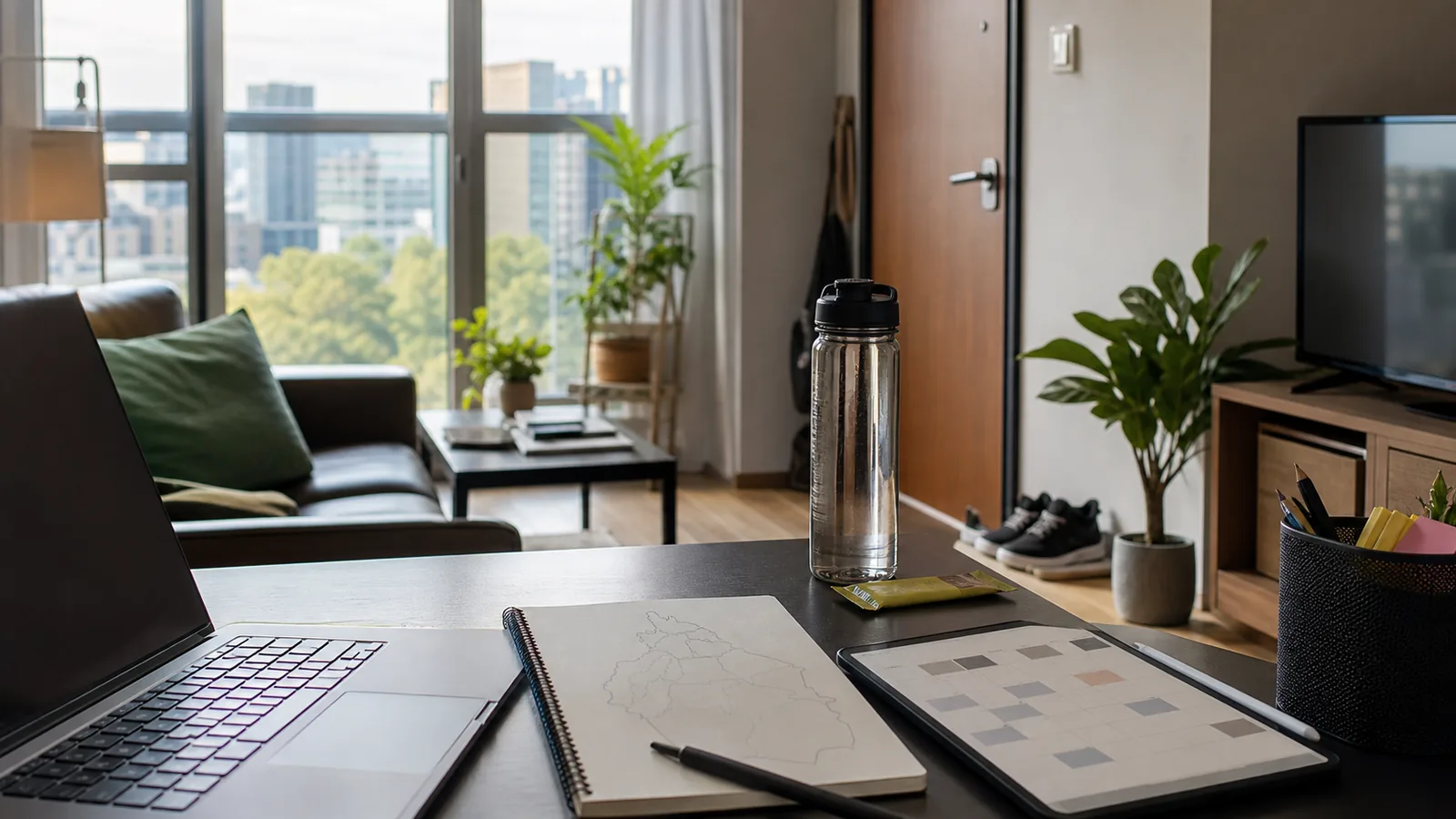
Alcohol, workouts, and stairs hit differently
The first 48 hours are the wrong time to judge your fitness. A normal hill, four flights of stairs, or a short gym session can feel heavier than expected. That does not mean you are out of shape. It means your body is adjusting.
A practical sequence:
- Walk before you run.
- Keep workouts easy for the first two days.
- Avoid hard intervals, heavy leg days, or long hikes immediately after arrival.
- Treat alcohol as stronger than usual during the first nights.
- Do not use alcohol to force sleep if your sleep is already strange.
The alcohol point matters. CDMX has excellent bars, mezcalerias, restaurants, and late dinners. They will still exist after your body has adapted. If your first weekend includes sightseeing, use the weekend Mexico City remote worker itinerary as a pacing guide instead of trying to win the city by Saturday night.
When to be more cautious
This is not a medical article, and StayWork is not diagnosing altitude sickness. The useful boundary is simple: mild, familiar, improving symptoms are one thing; severe, worsening, or unusual symptoms are another.
Be more cautious if you have heart or lung disease, low oxygen issues, obstructive sleep apnea, sickle cell trait, or any condition where altitude has been flagged by your doctor. Ask a physician before travel if that applies to you. If you feel seriously unwell after arrival, do not try to solve it with internet checklists or another coffee.
Also remember that Mexico City symptoms can overlap. Headache can be altitude, dehydration, sleep loss, caffeine changes, stress, alcohol, air quality, or a regular illness. If something does not make sense, treat it as a health question, not a productivity inconvenience.
Mexico City altitude and neighborhood choice: where the first 72 hours are easiest
Altitude adjustment is mostly about protecting sleep and keeping errands small — and neighborhoods are not equal on either. A few practical patterns from hosting arrival weeks:
Flat and walkable beats interesting, for now. Central CDMX is mercifully flat, but the win is having groceries, a pharmacy, water, and simple food within three or four blocks so nothing becomes a hike on day one. Roma Norte, Condesa, Narvarte, and Del Valle all pass that test; a “great deal” on the periphery fails it and adds long rides exactly when you have the least energy.
Quiet neighborhoods pay off in the first nights. The symptom altitude most reliably disrupts is sleep, and a bar-district window makes a shaky first night worse. Residential areas hold the advantage here: Narvarte’s quiet blocks and routine are built for exactly the boring, recovery-friendly evenings the first 72 hours want, and the Del Valle monthly cost and routine guide profiles the calmest central option — wide streets, parks, supermarkets, and almost nothing happening at 1 a.m.
Scene neighborhoods still work — pick the block carefully. If your month belongs in Roma or Condesa for cafés and community, choose an interior-facing unit a block off the main corridors and keep the first weekend modest. The Roma Norte vs Condesa monthly stay comparison covers which of the two runs quieter block by block.
Deciding where to base the whole stay? The full ranking with Wi-Fi, safety, and rent context is in the best neighborhoods in Mexico City for remote workers in 2026 guide. Altitude is a 72-hour problem; the neighborhood is a 30-to-90-day decision — solve for the second, and let the first ride along.
The apartment matters more than you think
Altitude does not only affect sightseeing. It affects the boring parts of arrival: where you sleep, where you get water, how far groceries are, whether the apartment is quiet enough for recovery, and whether your first workday requires improvisation.
A good arrival apartment should make the first 72 hours smaller:
- easy self check-in or clear arrival instructions
- reliable Wi-Fi already in place
- a real work surface
- drinking water plan or nearby stores
- enough kitchen basics for simple meals
- a neighborhood where errands do not become a project
That is why the lodging decision should not be only “Which colonia is coolest?” For a 30+ night stay, compare actual long term rentals in Mexico City , then decide whether the neighborhood and apartment setup fit your first week, not only your weekend plans.

Final verdict: plan lighter, not scared
Mexico City altitude should change your first 72 hours. It should not scare you out of coming.
The practical move is to arrive with a softer landing: water, food, sleep, a lighter first workday, easy walks, conservative alcohol, and no heroic workout plan. Give your body two or three days before you judge your energy, your neighborhood, or your routine.
Your apartment is ready when you land; the rest of the city can wait until your calendar and your body are both cooperating. When dates are real, review the direct path on Book Direct so arrival, work setup, and monthly-stay questions are clear before payment.
For monthly stays