You flew to Mexico City for a planned procedure — dental implants, bariatric surgery, a knee replacement, cosmetic work, a cardiac consultation, or a specialist second opinion. The medical part went according to plan. Now you need somewhere to recover, and the answer is not the same as where you would stay for a vacation.
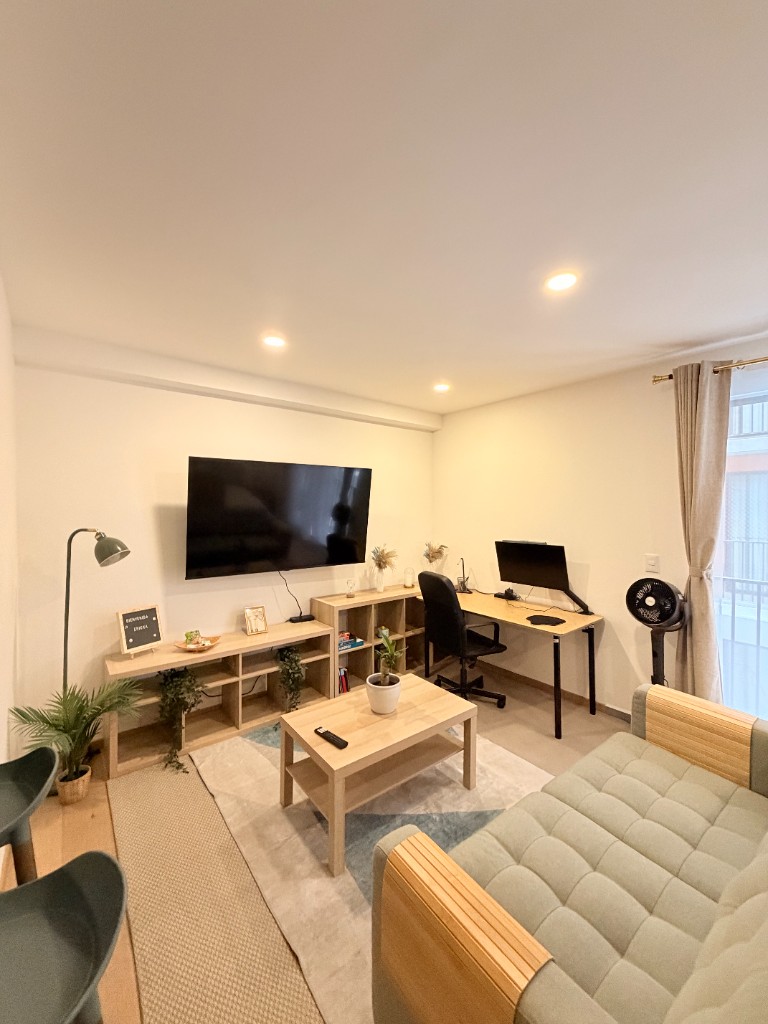
A recovery stay has different requirements than a tourist stay: quiet bedrooms, a kitchen for post-procedure diets, room for a companion, elevator access, stable Wi-Fi for telehealth follow-ups, and a neighborhood that supports rest instead of nightlife. This guide helps international patients and their companions choose the right furnished apartment for the weeks between the operating room and the flight home.
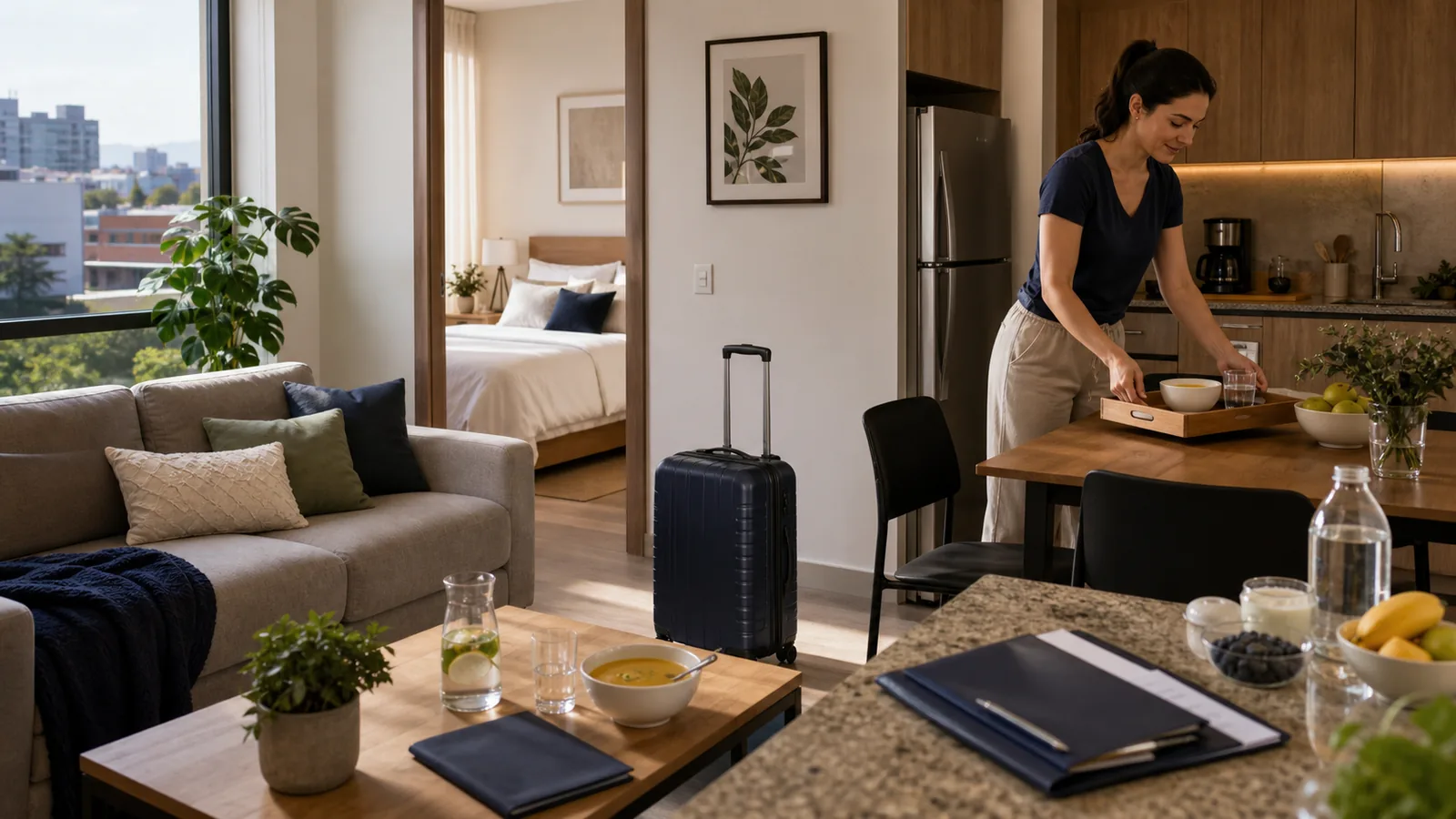
For the citywide medical-stay hub, use hospital stays in Mexico City . For the neighborhood comparison, read best areas in CDMX for medical-adjacent monthly stays . If your recovery is tied to a specific hospital, start with the relevant page: Centro Medico Siglo XXI , Hospital General , or Hospital Infantil .
Spanish: Turismo médico: departamento de recuperación en CDMX .
Quick Answer
Quick answer
For medical tourism recovery in Mexico City, a furnished apartment in Narvarte is a stronger base than a hotel or a tourist-neighborhood rental.
Choose by recovery need:
- 2BR furnished apartment: best when travelling with a companion, needing separate rest and living space, or recovering from a procedure that limits mobility
- Private room: works for solo patients with lighter recovery needs who want a simple, affordable base in the same residential neighborhood
- Hotel near the hospital: only practical for the first 1–3 nights post-discharge when proximity to the surgical team matters more than a kitchen or companion space
After the initial post-discharge window, recovery is about daily life: rest, food, medication, follow-up appointments, and gradually rebuilding energy. A furnished apartment turns that phase into a routine instead of a hotel-room endurance test.
Who This Guide Is For
Medical tourism to Mexico City is growing across multiple specialties. This guide is for patients who:
- Had dental work — implants, full-mouth reconstruction, veneers, or multi-stage dental treatments that require days or weeks between appointments, often travelling from the US or Canada for significant cost savings.
- Had bariatric surgery — gastric sleeve, bypass, or revision procedures, where the post-op diet is strict, the recovery timeline extends weeks, and the kitchen is not optional.
- Had cosmetic or reconstructive surgery — rhinoplasty, abdominoplasty, breast procedures, facelifts, or body contouring where swelling, drains, compression garments, and follow-up visits define the first 2–4 weeks.
- Had orthopedic procedures — knee or hip replacement, ACL reconstruction, or spinal work where mobility is limited and the apartment layout (elevator, no stairs to bedroom, bathroom accessibility) becomes critical.
- Are undergoing staged treatments — IVF cycles, oncology protocols, cardiac rehabilitation, or specialist consultations that require multiple visits over weeks or months.
- Came for a specialist consultation or second opinion — a shorter stay, but still beyond the weekend-hotel model when the trip includes diagnostics, imaging, and follow-up.
The common denominator: the medical procedure is planned, the recovery timeline is knowable (within a range), and the housing decision directly affects how well the recovery goes.
Why Recovery Housing Is Not Vacation Housing
The apartment that looks great for a Roma Norte weekend can be miserable for a two-week surgical recovery:
- Noise matters more when you cannot leave. Post-procedure patients spend most of their time in the apartment. Street noise, bar noise, construction noise, and building noise that a tourist would tolerate for three nights becomes unbearable across two weeks of mandatory rest.
- The kitchen is a medical tool. Bariatric patients follow a strict liquid-to-soft-food progression. Dental patients need blended meals. Post-surgical patients need protein-rich, manageable food. A hotel without a kitchen means relying on delivery apps for every meal — expensive, nutritionally inconsistent, and frustrating when dietary restrictions are specific.
- Companion logistics change the space requirement. Most medical tourists travel with a partner, family member, or friend who provides practical support. Two people sharing a hotel room for two weeks — especially when one person is recovering and the other is handling errands, pharmacy runs, and emotional support — creates friction that a 2BR apartment eliminates.
- Follow-up visits require route reliability, not proximity. After discharge, you may have follow-up appointments every 2–3 days for the first two weeks. The route needs to be predictable and comfortable when you are tired, medicated, or in a compression garment. A calm residential base with a reliable rideshare pickup point often works better than a noisy central location that is technically closer.
Why Narvarte for Recovery Stays
Narvarte works for recovery stays for the same reasons it works for other medical guests — residential rhythm, practical services, and enough quiet to support rest-first living:
- Pharmacies within walking distance. Post-procedure prescriptions, wound care supplies, compression garments, pain management, and general pharmacy needs are handled locally rather than requiring a cross-city trip.
- Supermarkets and markets for dietary needs. Whether the recovery diet is liquid-only, soft foods, high-protein, or restricted, access to a full grocery selection makes daily nutrition manageable.
- Quieter streets. Recovery sleep is fragile. Narvarte blocks settle earlier than Roma Norte or Condesa corridors, and the residential character means fewer surprise noise events on a Tuesday at midnight.
- Elevator-equipped buildings. This matters when mobility is limited, especially in the first week post-surgery. Confirm elevator access before booking — some buildings in any neighborhood have stairs only.
- Lower monthly rates than tourist hotspots. Medical tourism patients are already managing significant procedure costs, travel expenses, and companion logistics. Narvarte’s monthly value stretches the recovery budget further.
For the detailed neighborhood context, use Narvarte hospital housing and Narvarte monthly stays .
Recovery Timeline by Procedure Type
Every procedure is different, and only your medical team can give you a specific recovery timeline. These general ranges help with housing planning — not medical decision-making:
Typical recovery stay lengths for medical tourism procedures (housing planning only — follow your surgeon's guidance)
| Procedure category | Typical CDMX stay | Housing priority | Flight clearance (general range) |
|---|---|---|---|
| Dental (implants, reconstruction) | 7–21 days | Kitchen for soft foods, quiet for rest, Wi-Fi for coordination | Usually 3–7 days post-procedure |
| Bariatric (sleeve, bypass) | 14–28 days | Kitchen is critical (strict diet progression), quiet, companion space | Usually 10–21 days post-surgery |
| Cosmetic (rhinoplasty, body contouring) | 14–35 days | Quiet bedroom, bathroom access, compression garment storage, mirror space | Usually 7–21 days depending on procedure |
| Orthopedic (knee, hip, spinal) | 21–56 days | Elevator access, mobility-friendly layout, stable base for physical therapy | Usually 14–42 days depending on procedure |
| IVF or fertility treatments | 14–28 days per cycle | Quiet, kitchen, stress-reducing environment, Wi-Fi for work continuity | Procedure-dependent |
| Cardiac or specialist consultation | 7–21 days | Wi-Fi for records, quiet for rest, flexible dates | Usually 3–14 days |
These are housing-planning ranges, not medical guidance. Your surgeon’s specific instructions on activity, diet, and flight clearance override any general estimate.
Apartment Checklist for Recovery Stays
Before booking a recovery apartment, confirm these specifics:
- Elevator: can you reach the apartment without climbing stairs? This is non-negotiable for orthopedic, bariatric, and many cosmetic procedure recoveries.
- Bedroom darkness and quiet: blackout curtains or shutters, interior-facing bedroom if possible, and a block that does not generate noise at midnight or 6 AM.
- Kitchen depth: stovetop, blender (critical for bariatric and dental recovery diets), refrigerator with real space, basic cookware. Not a microwave-only kitchenette.
- Bathroom accessibility: enough space to manage wound care, compression garments, drainage, or mobility limitations. A shower with a stable base (not a slippery tiled floor without a grip) matters.
- Wi-Fi stability: for telehealth follow-ups with your home medical team, video calls with family, insurance coordination, and prescription management.
- In-unit laundry: strongly preferred for recovery stays where wound care, compression garments, or post-surgical comfort mean more frequent clothing and linen changes.
- 24/7 building entry: post-procedure patients sometimes need unexpected hospital trips. A building that locks them out after 10 PM or requires complicated gate protocols is a risk during recovery.
- Pharmacy proximity: within a 5–10 minute walk or very short rideshare. Medication needs during recovery are not always predictable.
Travelling with a Companion
Most medical tourism patients bring someone — a spouse, parent, adult child, or friend — who serves as caregiver, driver, translator, errand-runner, and emotional support. The companion’s experience affects the patient’s recovery.
A 2BR furnished apartment supports the companion by providing:
- a separate bedroom for different sleep schedules (the patient may need daytime rest while the companion handles errands or takes calls)
- a living area that functions as a coordination hub without disturbing the patient
- a kitchen where the companion can prepare meals to the patient’s dietary specifications
- enough space that both people can coexist for two or more weeks without the friction of a single hotel room
If the companion also works remotely, confirm Wi-Fi speeds (30+ Mbps upstream for video calls) and the availability of a desk or table separate from the bedroom.
Before and After: Planning the Housing Around the Procedure
Before the procedure:
- Book the apartment to start 1–2 days before the procedure date. This gives time to settle in, stock the kitchen, map the route to the hospital or clinic, and handle any pre-op appointments.
- Confirm the route from the apartment to the surgical facility at the time your appointment is scheduled.
- Stock the kitchen with recovery-phase foods before the procedure day — you will not want to grocery shop in the first 48 hours post-op.
- Identify the nearest pharmacy and confirm it carries the medications your surgeon is likely to prescribe.
After the procedure:
- Plan for the first 48 hours to be apartment-bound. The companion handles pharmacy pickups, food, and any errands.
- Follow-up appointments typically start 2–5 days post-procedure. Map the route and plan transportation (rideshare is usually more comfortable than Metro when recovering).
- Keep your home medical team informed. Telehealth check-ins via the apartment Wi-Fi bridge the gap between your CDMX surgeon and your regular doctor.
- Do not rush the flight home. Your surgeon’s flight-clearance timeline exists for medical reasons — blood clot risk, altitude pressure on healing tissue, and the risk of complications far from your surgical team. The cost of a few extra apartment nights is trivial compared to a medical emergency at 35,000 feet.
Booking Path for Medical Tourism Recovery
- Confirm your procedure dates and expected recovery timeline with your medical team.
- Compare the Narvarte 2BR listing for patient-plus-companion stays or the private room for solo recovery.
- Email info@stayworkcdmx.com before payment to discuss: recovery-specific needs, date flexibility in case the procedure shifts, companion logistics, and any questions about the apartment setup.
- Use Book Direct when the details are confirmed.
StayWork does not promise prices, availability, medical outcomes, or commute times from article content. This guide is housing guidance for the recovery phase — not medical advice. All decisions about procedures, recovery timelines, dietary protocols, and flight clearance should follow your medical team’s instructions.
For monthly stays
Book a recovery base in Mexico City
Related Pages
- Hospital stays in Mexico City — citywide medical-stay hub
- Monthly apartments near hospitals in Narvarte — Narvarte hospital focus
- Patient-family housing near CDMX hospitals — family support angle
- Long-stay housing near CDMX hospitals — medical staff angle
- Best areas in CDMX for medical-adjacent monthly stays — neighborhood comparison
- Spanish: Turismo médico: departamento de recuperación en CDMX