Foreigners searching for long-term rentals in Mexico City often run into one confusing problem: “long-term” means different things to different hosts, brokers, platforms, and property managers in CDMX.
For one person, it means a 12-month lease with a contract, local references, furniture shopping, and utility accounts. For another, it means a furnished 30+ night stay where the apartment is ready on arrival. Those are not the same decision.
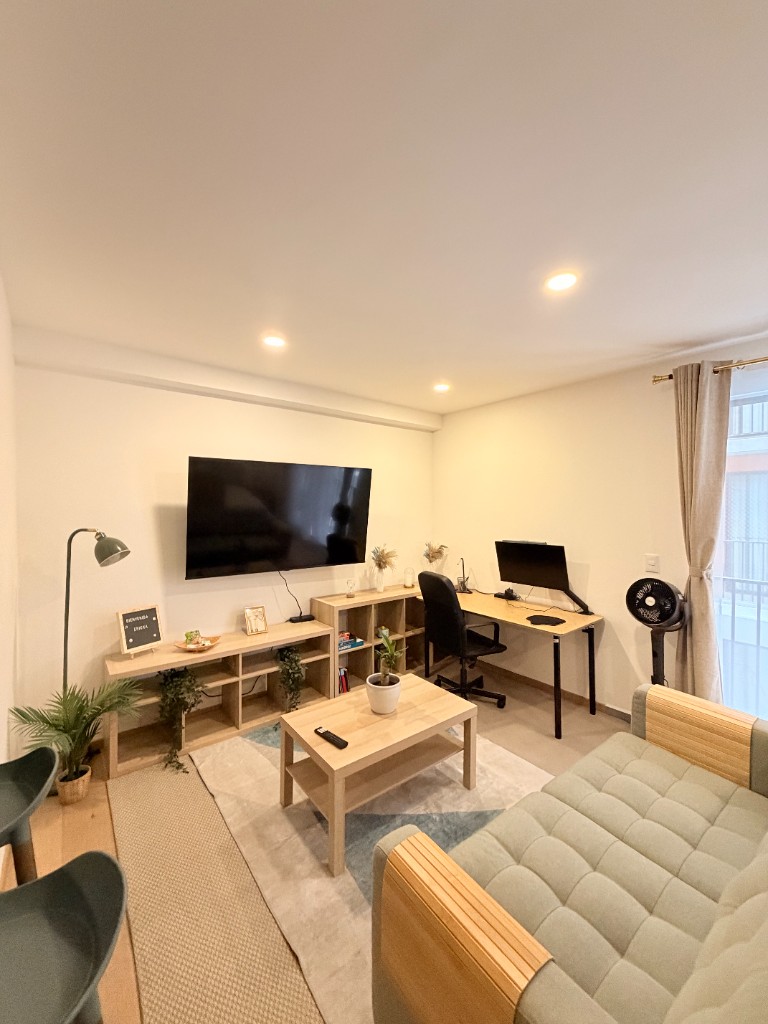
If your goal is a furnished, work-ready stay for a month or longer, start with Mexico City rentals monthly before you compare raw lease prices. The right baseline is not only rent. It is the total amount of setup, risk, paperwork, and daily friction you are taking on.
This guide is focused only on CDMX. It is not legal advice, immigration advice, or a countrywide rental guide. Requirements vary by apartment, owner, operator, building, stay length, and booking path. Confirm important terms in writing before you send money.
Quick answer
For most foreigners staying 30 to 90 nights in Mexico City, a furnished monthly apartment is usually the cleaner starting point than a traditional lease. It reduces move-in setup, avoids furniture logistics, and usually makes it easier to confirm internet, workspace, cleaning, utilities, and arrival details before payment.
A traditional lease can make sense if you are settling into CDMX for longer, understand the local paperwork, and are ready to handle deposits, guarantees, furniture, utilities, and building obligations. But for a first month, remote-work period, medical stay, corporate assignment, or trial relocation, the furnished monthly option is often more practical.
The best choice is the one where the written terms match your actual stay length.
What “long-term rental” means in CDMX
In Mexico City, the phrase long-term rental can refer to several different products:
| Rental type | Typical fit | Main tradeoff |
|---|---|---|
| Traditional lease | Six to twelve months or longer | More paperwork, stronger commitment, more setup |
| Furnished monthly apartment | 30+ nights, often one to three months | Higher bundled price than raw rent, but lower setup friction |
| Serviced or corporate housing | Work assignments, teams, relocations, medical or project stays | More process-oriented, availability can be narrower |
| Platform monthly discount | Discovery through Airbnb-style platforms | Easy search, but long-stay details still need verification |
The mistake is comparing the first number you see. A traditional lease may look cheaper because it does not include the full cost of furniture, internet setup, kitchen basics, linens, cleaning, utility deposits, time spent coordinating repairs, and the risk of choosing the wrong neighborhood before you know your CDMX routine. If you want the furnished-monthly version of long-term rentals in Mexico City — where all of that is bundled into one written total — that is the middle path most foreigners actually want.

Traditional lease vs furnished monthly
For foreigners, the lease-versus-monthly decision is mostly about friction.
Traditional lease
A traditional lease can work well when you are genuinely moving to Mexico City and expect to stay past the trial period. It may give you more inventory, more control, and lower monthly rent once you absorb the setup work.
But it can also involve:
- A local guarantor, co-signer, or other assurance requested by the landlord
- Proof of income, employment, or bank statements
- Identity and immigration-status review
- A larger security deposit or additional month paid upfront
- A separate internet contract, utility setup, and furnishing process
- A contract in Spanish that you should understand before signing
Different landlords use different requirements. If a lease matters legally or financially, have a qualified professional review it. This article is only a practical booking guide.
If the guarantor requirement is the blocker, read the focused guide to what a fiador is in Mexico and how to rent without one before you decide a traditional lease is the only path.
Furnished monthly apartment
A furnished monthly apartment is usually better when you need 30+ nights in CDMX but do not want a full lease process yet.
It usually gives you:
- Furniture, kitchen basics, linens, and move-in readiness
- Internet already installed
- A clearer arrival and check-in path
- Utilities included or handled under defined terms
- A better fit for remote work, temporary assignments, family support, or a test month
The tradeoff is that the monthly price may be higher than a bare lease. That is normal. You are paying for the bundle: location, furnishings, setup, internet, support, and flexibility.
If you are still deciding whether flexibility matters more than lease-style savings, compare the broader flexible rental apartments in Mexico City guide with the practical monthly apartment checklist .
Documents foreigners may be asked for
For a traditional lease in Mexico City, foreigners may be asked for some mix of:
- Passport or government ID
- Immigration or residency documentation, depending on the landlord and stay type
- Proof of income, employment, business ownership, or student status
- Recent bank statements or employer letters
- References
- A local guarantor, co-signer, or alternative guarantee structure
- Company details if the stay is paid by an employer
For a furnished monthly apartment, the process is often lighter, but it is not document-free. A responsible operator may still ask for identity verification, guest names, purpose of stay, arrival details, payment information, and written acceptance of booking terms.
If a company is booking for an employee, or if finance needs a paper trail, start with corporate housing in Mexico City before you assume a normal leisure booking flow will satisfy internal approval.
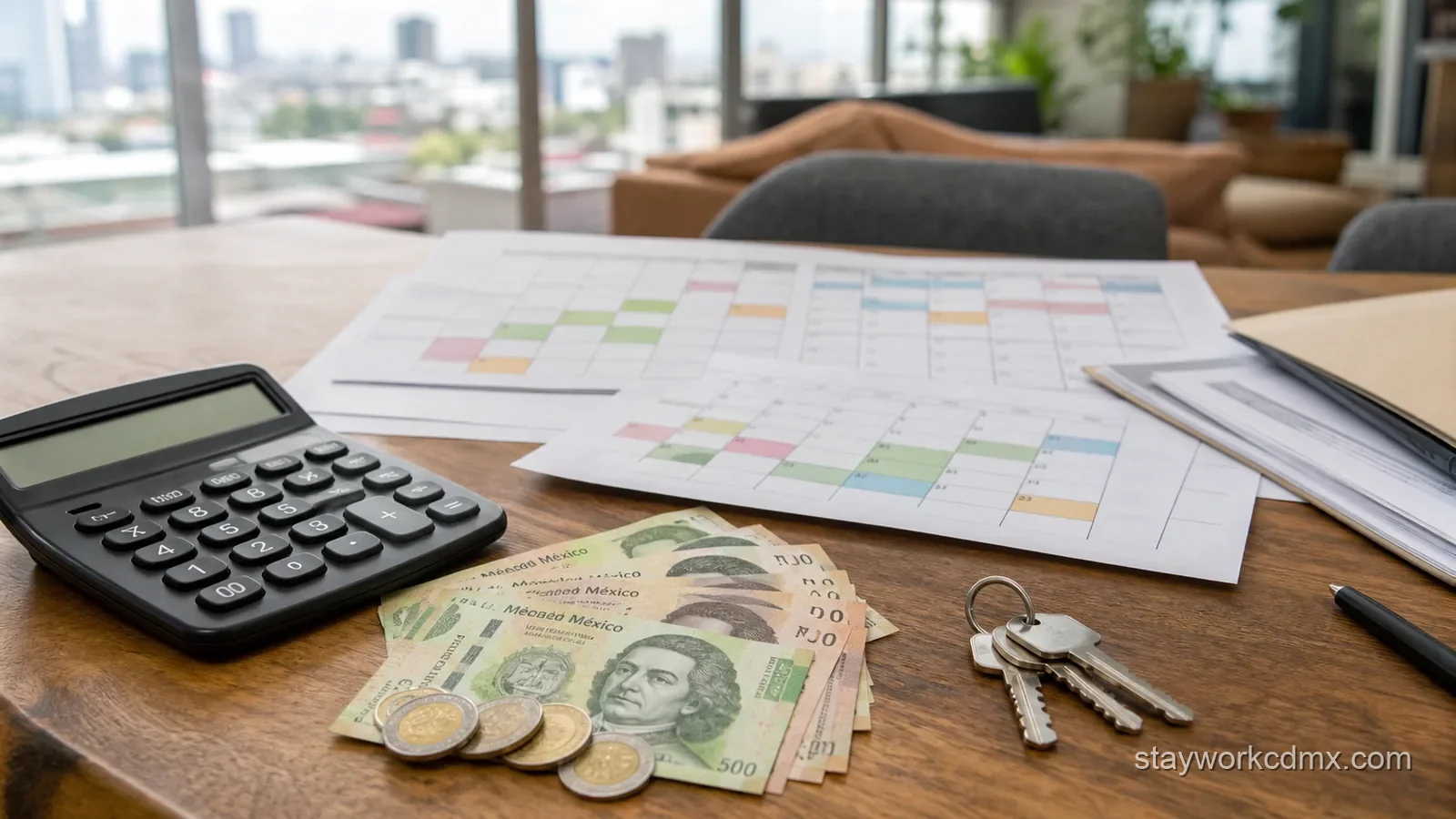
Deposits, payments, and the real total
Foreigners should be especially careful with the payment structure because CDMX rental quotes are not always presented the same way.
Before you pay, confirm:
- Total stay price, including cleaning, taxes, platform fees, or service fees
- Currency and exchange-rate handling
- Deposit amount and whether it is refundable
- When the deposit is returned
- What damage or missing-item deductions can apply
- Whether electricity, gas, water, internet, and building fees are included
- Whether utilities have fair-use caps
- Payment schedule for extensions
- Cancellation and date-change terms
- Receipt or invoice expectations
A “cheaper” lease can become more expensive if you need to buy furniture, pay setup fees, replace missing basics, spend time chasing internet installation, or move again after realizing the neighborhood does not fit your workday.
For broader budget planning, use the cost of living in Mexico City for digital nomads in 2026 as a reality check against rent-only math.
Utilities and work setup
“Utilities included” is not enough detail for a month in Mexico City.
Ask what is included and whether there are limits:
- Internet provider, speed expectations, router location, and whether the connection is shared
- Electricity, especially if you work from home all day or use heaters, fans, or appliances heavily
- Gas, hot water, and who handles service issues
- Water and drinking-water setup
- Laundry access
- Cleaning cadence and whether mid-stay cleaning is included or optional
- Building access, elevators, doorman hours, and arrival instructions
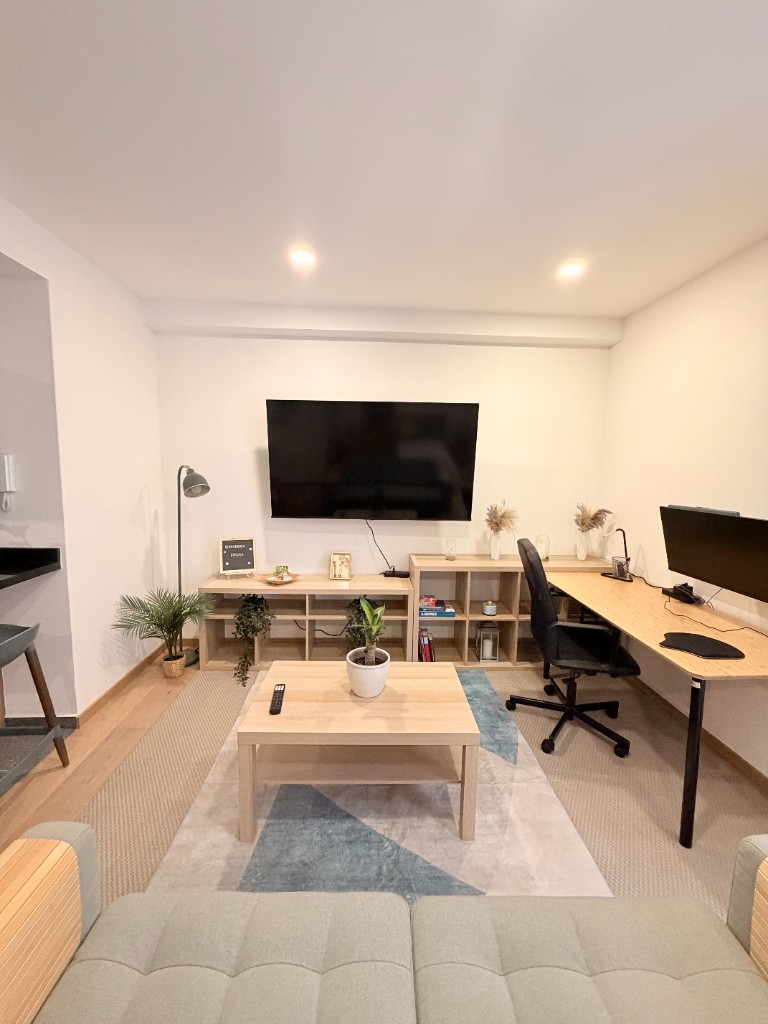
Remote workers should treat the workspace as part of the rent. A dining chair may be fine for two emails. It is not the same as a repeatable Monday-to-Friday setup. If your CDMX stay is work-driven, compare the apartment against your calendar using the digital nomads in CDMX guide.
Neighborhood choice matters more after week two
Foreigners often choose a CDMX neighborhood from short-trip advice. That can backfire for 30+ nights.
For a long stay, ask how the neighborhood works on normal weekdays:
| Neighborhood | Better fit | Watch for |
|---|---|---|
| Roma Norte | Walkability, cafes, social energy, remote workers | Noise and higher pricing on popular blocks |
| Condesa | Parks, walking routines, couples, softer central pace | Strong demand and premium pricing |
| Narvarte | Residential rhythm, value, calmer nights, practical errands | Less nightlife and cafe density than Roma or Condesa |
| Polanco | Corporate travelers, premium comfort, business access | Highest costs and a less local-residential feel |
There is no universal best neighborhood for foreigners. A quiet block in Narvarte can beat a famous street in Roma if your work calls start early. A central Roma Norte apartment can beat a larger residential unit if your month depends on walkable social life and coworking access.
Use where to stay in Mexico City for monthly stays when the neighborhood is still unresolved.

Red flags before sending money
Slow down if you see any of these:
- The host will not put the total price, deposit, and cancellation terms in writing
- Photos do not show the actual workspace, kitchen, bathroom, or laundry setup
- The listing claims strong Wi-Fi but cannot answer basic workday questions
- “Utilities included” is stated without any cap, exclusion, or responsibility detail
- The deposit refund process is vague
- The payment method feels rushed or hard to document
- The rental type changes during the conversation from lease to temporary stay or vice versa
- The person answering cannot explain building access, check-in, or maintenance escalation
- The price is far below comparable CDMX options without a clear reason
None of these automatically proves a problem. They do mean you should ask more questions and keep a written record.
Booking checklist for foreigners
Before booking a long-term rental in Mexico City, work through this checklist:
- Define the real stay length: 30 nights, 45 nights, 90 nights, or a lease-level move.
- Decide whether you need a traditional lease or a furnished monthly apartment.
- Confirm the exact apartment, dates, guest count, and cancellation terms.
- Ask what documents are required before you begin payment.
- Get the total price, deposit, utility terms, and cleaning terms in writing.
- Confirm internet, desk, chair, laundry, and building access.
- Match the neighborhood to your weekday routine, not only your weekend plans.
- Use a payment path that gives you a receipt or clear confirmation.
- Save the written terms, check-in instructions, and support contacts.
- On arrival, document any major mismatch before unpacking fully.
Where StayWork fits
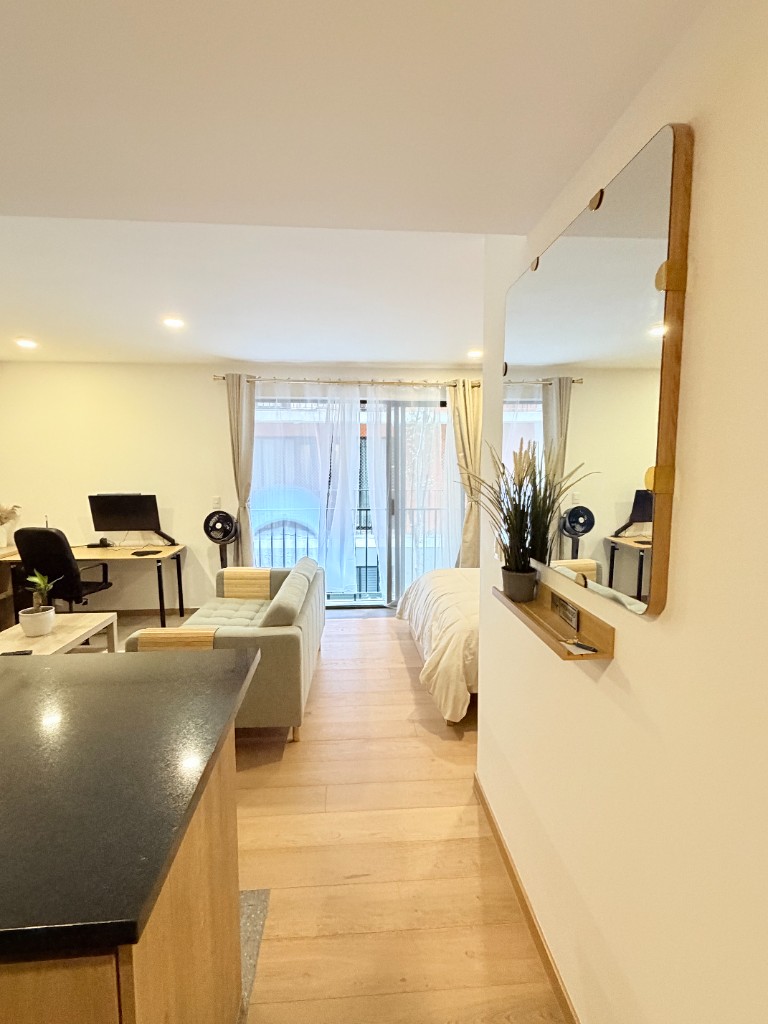
StayWork CDMX is a fit when you want a furnished, work-ready monthly stay in Mexico City without jumping straight into a traditional lease. Our focus is narrower than the whole rental market: furnished apartments in CDMX for guests who care about Wi-Fi, workspace, location, building logistics, and a smoother 30+ night move-in.
That can fit:
- Foreigners testing CDMX before choosing a lease
- Remote workers and digital nomads staying one to three months
- Corporate guests who need a clearer furnished-stay path
- Couples or solo travelers who want a stable base rather than a hotel room
- Guests comparing Roma Norte and Narvarte for daily life
It is not the right fit if you want an unfurnished apartment, a full local lease search, or legal review of a rental contract. In those cases, use a qualified local professional and confirm the requirements directly with the landlord or broker.
Bottom line
For foreigners, the safest practical question is not “What is the cheapest long-term rental in Mexico City?” It is “Which rental type gives me clear written terms for the way I will actually live in CDMX?”
Choose a traditional lease if you are ready for a deeper commitment and the paperwork that comes with it. Choose a furnished monthly apartment if you need a clearer 30+ night base with fewer setup steps.
When dates are real, review Book Direct for the StayWork booking path, or compare current availability across all StayWork properties before you commit.
FAQ
Can foreigners rent long-term apartments in Mexico City?
Yes. Foreigners can rent in Mexico City, but the process depends on the apartment and rental type. Traditional leases may involve more screening, local guarantees, and Spanish-language contracts. Furnished monthly stays are often simpler for 30+ nights, but the written terms still matter.
Is a 30+ night stay the same as a lease?
No. A 30+ night furnished stay is usually a temporary accommodation arrangement, while a traditional lease is a deeper rental commitment. Exact terms vary, so read the agreement and confirm the rental type before payment.
What is the biggest mistake foreigners make when booking in CDMX?
The biggest mistake is comparing only the monthly price. A lower rent number can hide setup costs, weak internet, unclear utility rules, missing furniture, neighborhood mismatch, or deposit risk.
Should I book a furnished monthly apartment before signing a lease?
Often, yes. A furnished monthly apartment can give you time to test commute patterns, noise tolerance, grocery routines, and work setup before committing to a traditional lease in Mexico City.
What should I get in writing before paying?
Get the exact apartment, dates, total price, deposit amount, refund timing, cancellation terms, payment method, utility rules, cleaning setup, check-in process, and support contacts in writing before payment.