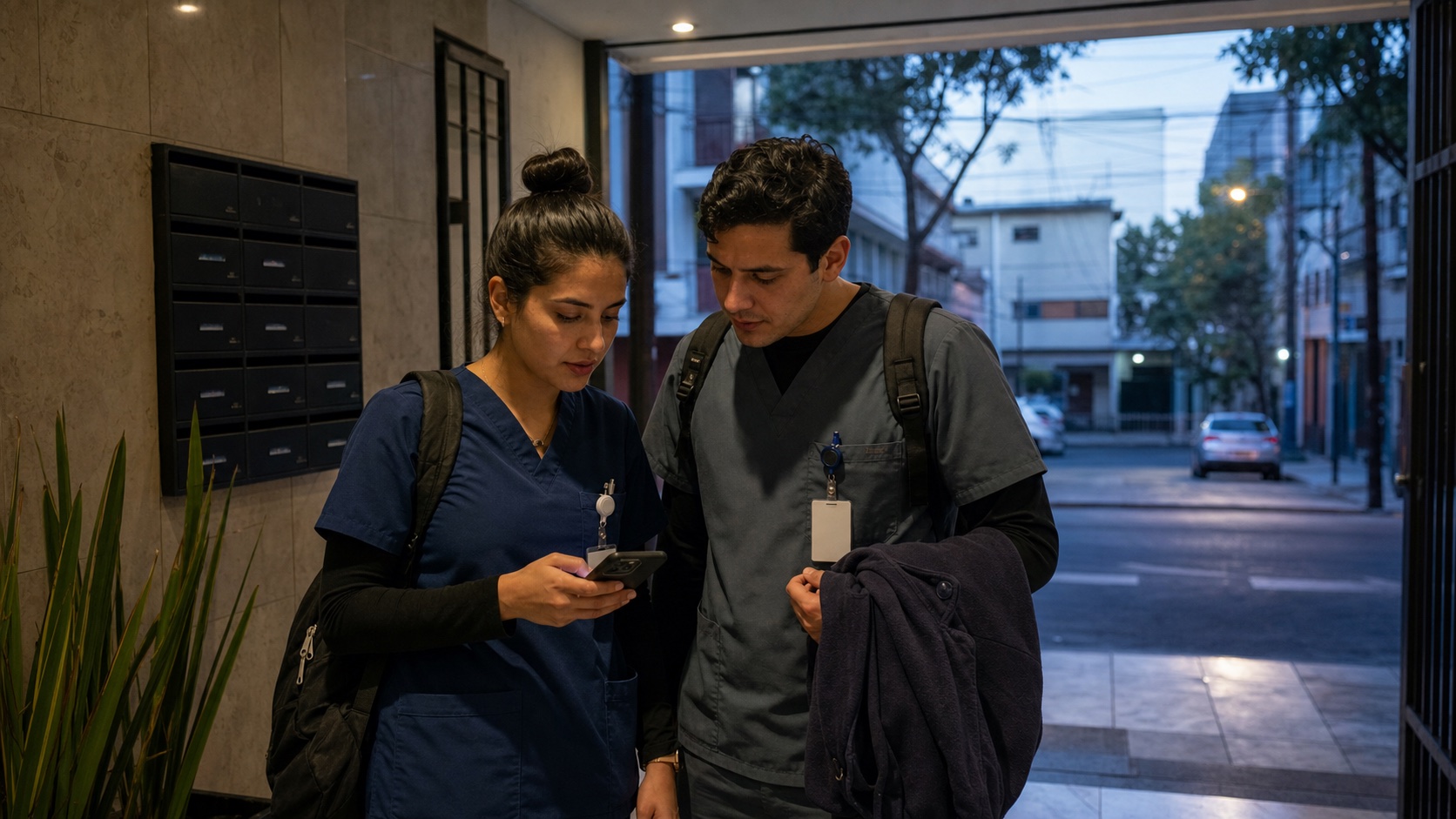
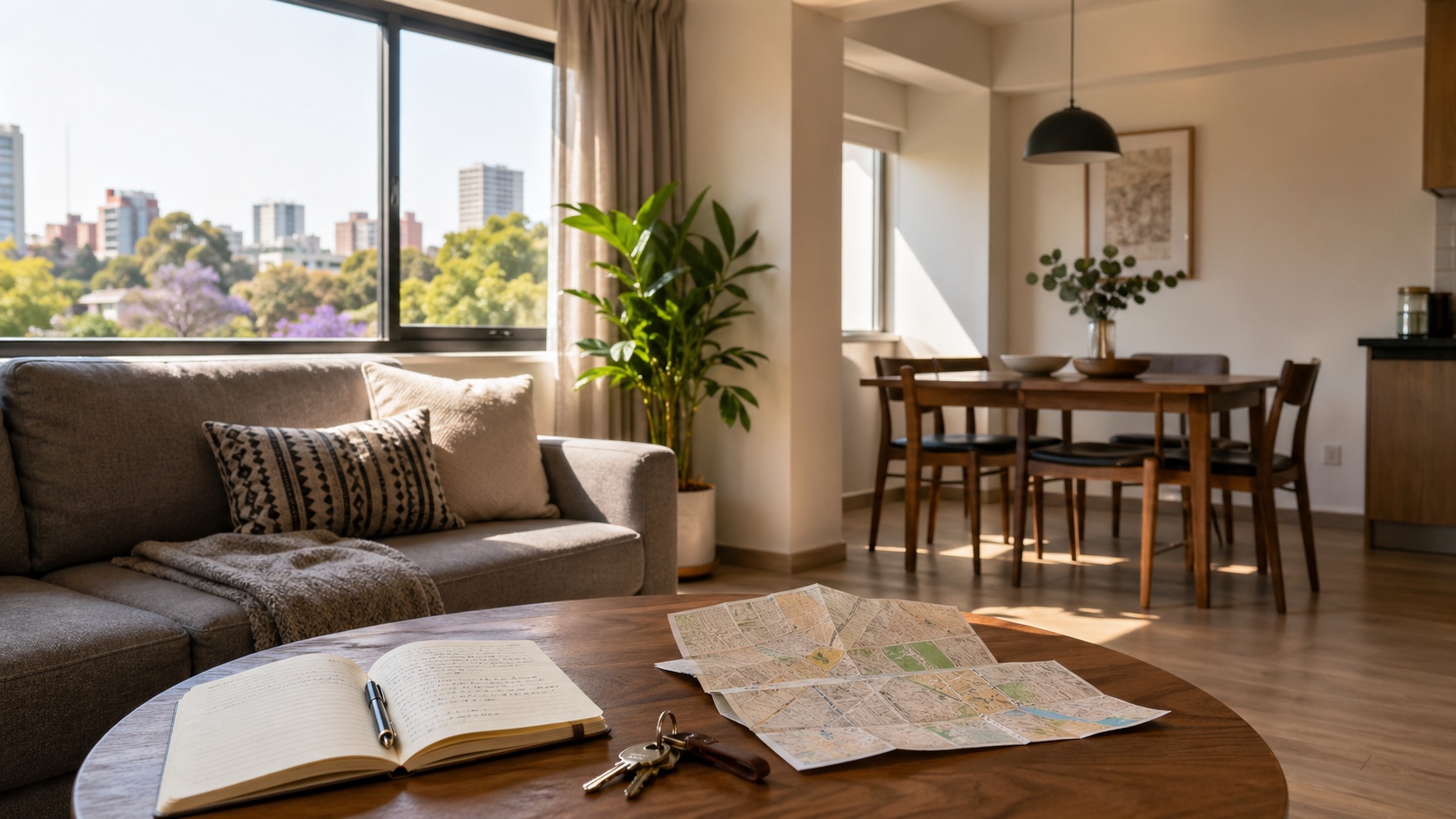
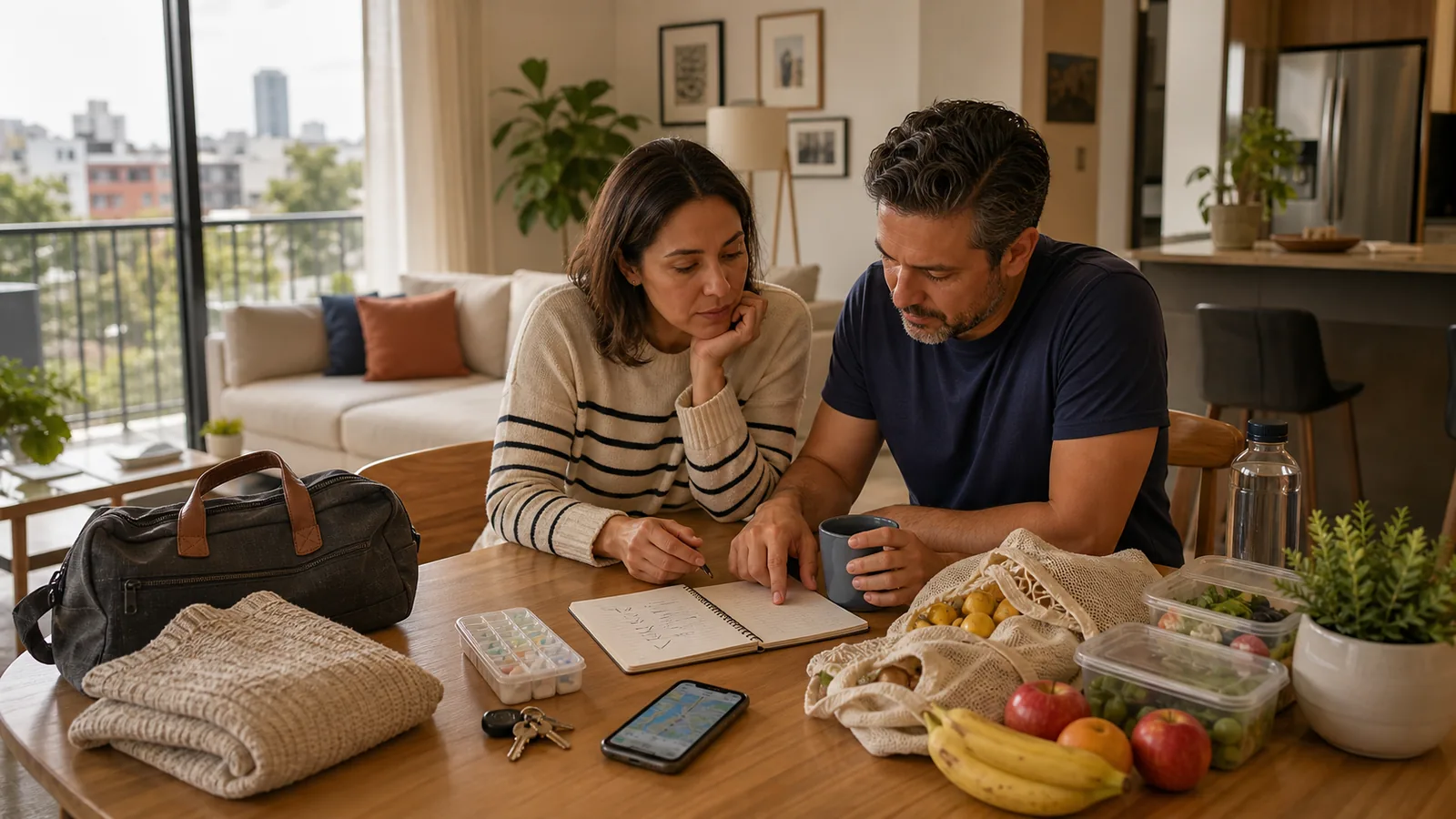
If your search sounds like “long stay near Hospital X”, “monthly furnished apartment for doctors in CDMX”, or “where should medical staff live for a rotation”, you need a neighborhood that survives ordinary weekdays, not only map distance. A 30-night booking is closer to a small relocation than to a vacation, and the listings that look perfect on a Saturday afternoon often misbehave on a Tuesday at 5:50 AM when scrubs are still in the dryer and the elevator has a queue.

This article tightens the StayWork cluster around Narvarte + central hospital corridors. For neighborhood comparisons (Doctores, Roma Sur, Del Valle, Roma Norte), read best CDMX areas for medical-adjacent monthly stays . For Centro Médico Siglo XXI specifically, use where to stay near Centro Medico Siglo XXI for 30+ nights . If you want the citywide commercial hub before reading the Narvarte deep-dive, open hospital stays in Mexico City .
Start from the hospital entrance, not the pin icon
“Near Hospital X” fails when the route crosses a worse junction at 6:45 AM than at noon. The Mexico City medical corridor is dense — a single hospital can have multiple entrances spread across two or three blocks, and the difference between using the right one and the wrong one can be twelve minutes of walking with bags every shift.
Before you fall in love with a listing, lock these basics:
- Confirm which entrance, tower, or clinic gate you repeat most. For Centro Médico Siglo XXI, the Cardiología, Oncología, and Pediatría towers each have distinct access points; for Hospital General, the Cuauhtémoc-side and Doctor Balmis-side entrances are not interchangeable when traffic builds.
- Test pick-up and drop-off logic if you use rideshare during surge or rain. Some hospital perimeters do not let Uber or DiDi stop directly at the entrance — drivers will ask you to walk a block to a parallel street, which matters when you are tired or carrying equipment.
- Decide whether quiet nights matter more than café density — that trade usually pushes medical guests toward Narvarte over nightlife-heavy strips like the Roma Norte / Juárez core.
- Map the post-shift errand chain: where you buy water, where you eat at 10 PM after a late call, where you get a haircut on a free Saturday. If those points cluster near your apartment, the stay feels half the length.
The map distance to a hospital often hides the real cost: a building five minutes closer in kilometres can be ten minutes further in lived time once you account for one-way streets, school traffic, and the construction sites that decorate central CDMX in 2026.
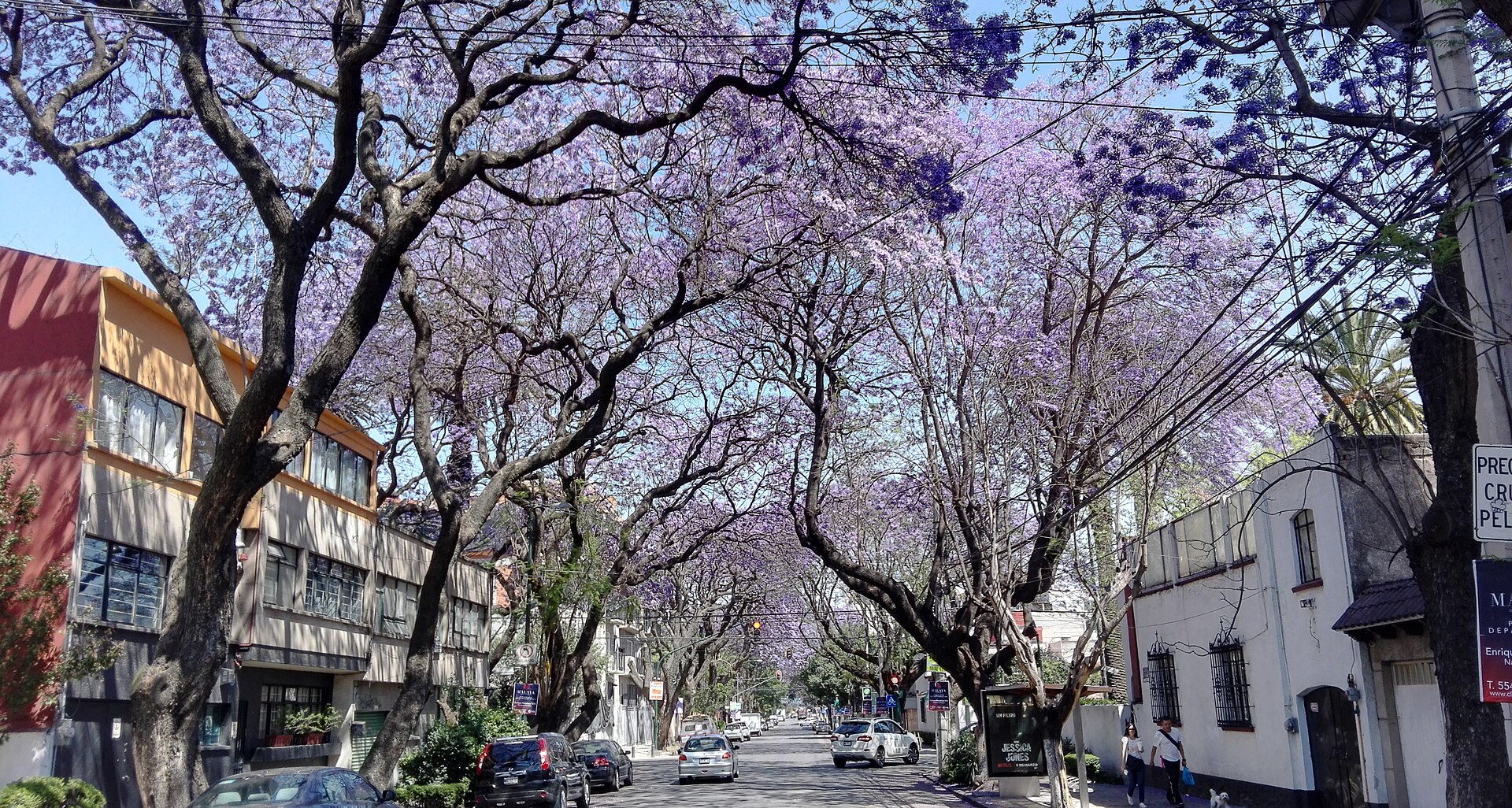
Why Narvarte keeps showing up for medical stays
Narvarte is rarely the first guess for a first-time CDMX visitor. It does not appear on most travel-blog top-tens, and its commercial energy is intentionally lower than Roma Norte. That is exactly why it works for hospital-adjacent monthly stays — when the priority is recovery, kitchen routine, and predictable mornings, the lack of scene density becomes a feature.
Recurring reasons guests choose Narvarte for clinical or family-support stays:
- Residential rhythm after long shifts. Streets quiet down earlier than in Roma or Condesa, and the soundtrack of a Tuesday at midnight is closer to a city-edge neighborhood than to a nightlife strip.
- Groceries, pharmacies, and simple food without a tourist crawl. Mercado de Narvarte, Parque Delta, and the Bodega Aurrera / Soriana density inside Benito Juárez make stocking the kitchen a 20-minute errand instead of a planning session.
- Furnished monthly formats in both formats medical guests need — a full 2BR for couples, families, or shared bookings, and private-room layouts for solo residents who want lower nightly cost without changing neighborhood.
- Reachable connections to Centro Medico Siglo XXI , Hospital General , and Hospital Infantil by Metro Línea 3 or 9, Metrobús Insurgentes, and direct rideshare during off-peak windows.
- Value per night for a full apartment, which compounds across 60 or 90 nights enough to justify the slightly less famous neighborhood.
Hub pages worth keeping open while you decide:
- Hospital stays in Mexico City — citywide commercial hub.
- Monthly apartments near hospitals in Narvarte — Narvarte-specific landing.
- Narvarte furnished monthly apartments — broader monthly-stay context, including non-hospital guests.
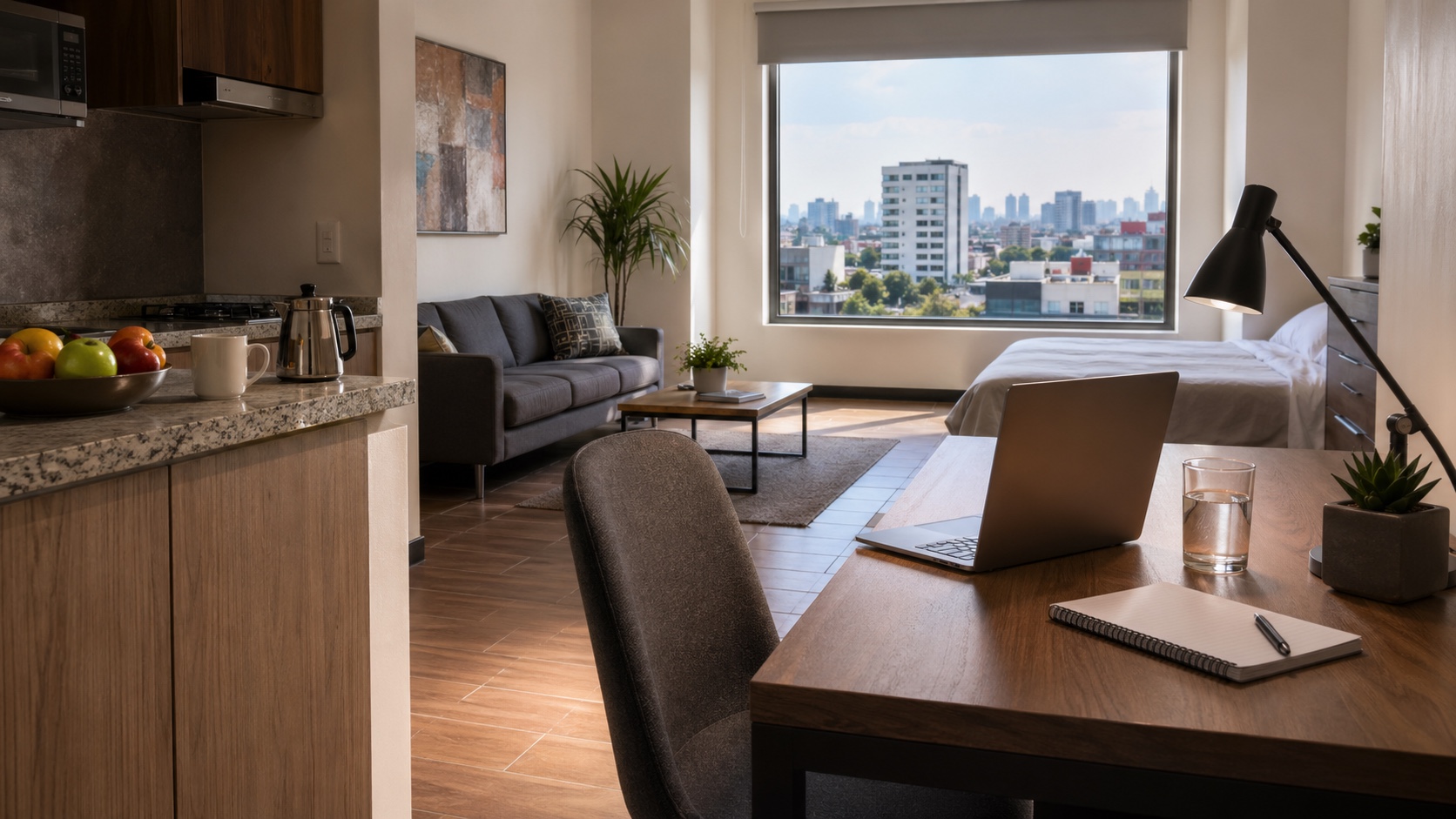
Routes from Narvarte to the major hospitals
The honest answer for any medical commute is measure your own route at your own hours, but these baselines help you set expectations:
- Centro Médico Siglo XXI: typically 8–18 minutes from central Narvarte by car off-peak, longer at shift-change windows. Metro Línea 9 (Centro Médico station) is direct from Chilpancingo / Patriotismo edges; from interior Narvarte blocks the Metrobús or a short rideshare to Eje 4 Sur is usually faster than walking the full distance.
- Hospital General de México: 10–20 minutes by car, depending on which Narvarte block you start from. Metrobús Línea 1 or Línea 3 plus a short walk handles this commute reliably; the route gets sticky between 7:30 and 9:00 AM, so building a five-minute buffer pays off.
- Hospital Infantil de México Federico Gómez: roughly 12–22 minutes by car. The Doctor Liceaga / Cuauhtémoc area is faster from western Narvarte. Avoid Eje Central as a default route during weekday mornings — surface options are usually less stressful.
If your assignment is at a hospital not on this short list (Médica Sur, Star Médica, ABC Observatorio, Hospital Ángeles), Narvarte may not be the right base — open the comparison in best CDMX areas for medical-adjacent monthly stays before defaulting to a familiar neighborhood. Distance to a southern Médica Sur from Narvarte is meaningfully longer than to the Centro Médico cluster.
Who actually uses these stays
A 30+ night booking near the medical corridor is rarely a tourist looking for a calm month. The recurring guest profiles include:
- Medical residents and fellows on rotation blocks, typically 1–6 months, often with shifting on-call schedules that make a fixed-rate furnished apartment more practical than weekly hotel stays.
- Visiting attending physicians — sub-specialists invited for a procedure series, surgical missions, or hospital partnerships who need a stable base for two to twelve weeks.
- Patient families supporting an inpatient or outpatient course of treatment, where the apartment becomes a real home for a stretch — kitchen for special diets, washer for clothes that get rotated daily, sleep space separate from the support-call rhythm.
- Travelling nurses and clinical staff on assignment for a project or unit shortage.
- Medical-device vendors and clinical research associates who need a CDMX base while running studies, training, or installations across multiple hospital sites.
- University and nonprofit teams on healthcare-adjacent projects (epidemiology, public-health pilots, medical-school exchanges).
Each profile cares about subtly different things — a resident cares more about commute reliability and quiet sleep, a patient family cares more about apartment layout and pharmacy access, a vendor cares more about Wi-Fi for client video calls. The common denominator is: the apartment has to behave like a home, not a hotel room.
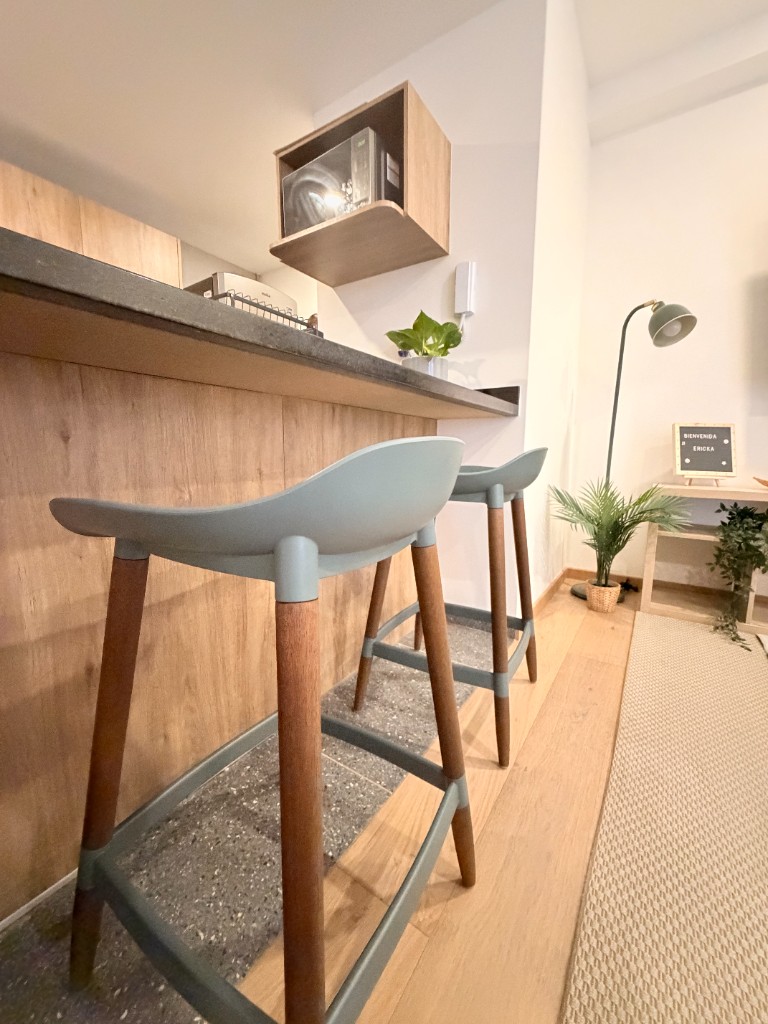
Apartment features that actually matter for medical stays
Past the two-week mark, glossy listing photography stops mattering and operational details take over:
- Bedrooms with real darkness control. Blackout curtains or shutters earn back hours of sleep across a month. Verify the bedroom faces a quiet patio or an interior block when possible.
- A working desk and a chair you can sit in for two hours, not a dining chair pulled up to a counter. Telehealth, admin, and writing-up tasks accumulate.
- Fast, stable Wi-Fi. Ask for a recent Mbps range up and down. For institutional video calls, anything under ~30 Mbps upstream becomes painful.
- Kitchen depth. Stovetop and refrigerator beat a microwave-only setup when you cook after a 12-hour shift. Storage for groceries that survive a week-long rotation matters more than a photogenic island.
- Laundry access. In-unit washer is ideal; building-shared with predictable hours is workable; off-site lavandería with a kilo rate is fine if the route is short.
- Secure 24/7 entry. A building with concierge, fob access, or a clear after-hours protocol prevents the “arrived after a night call and the gate code stopped working” story everyone has heard.
- Storage for scrubs, equipment, or visiting family luggage. Narvarte 2BR layouts usually handle this; studio formats can struggle.
For the full mechanical checklist before paying, paste questions from the monthly apartment checklist into your conversation with the host or operator. The questions about upload speeds, chair specifics, and elevator reliability come straight from how repeated weekday life actually breaks listings.
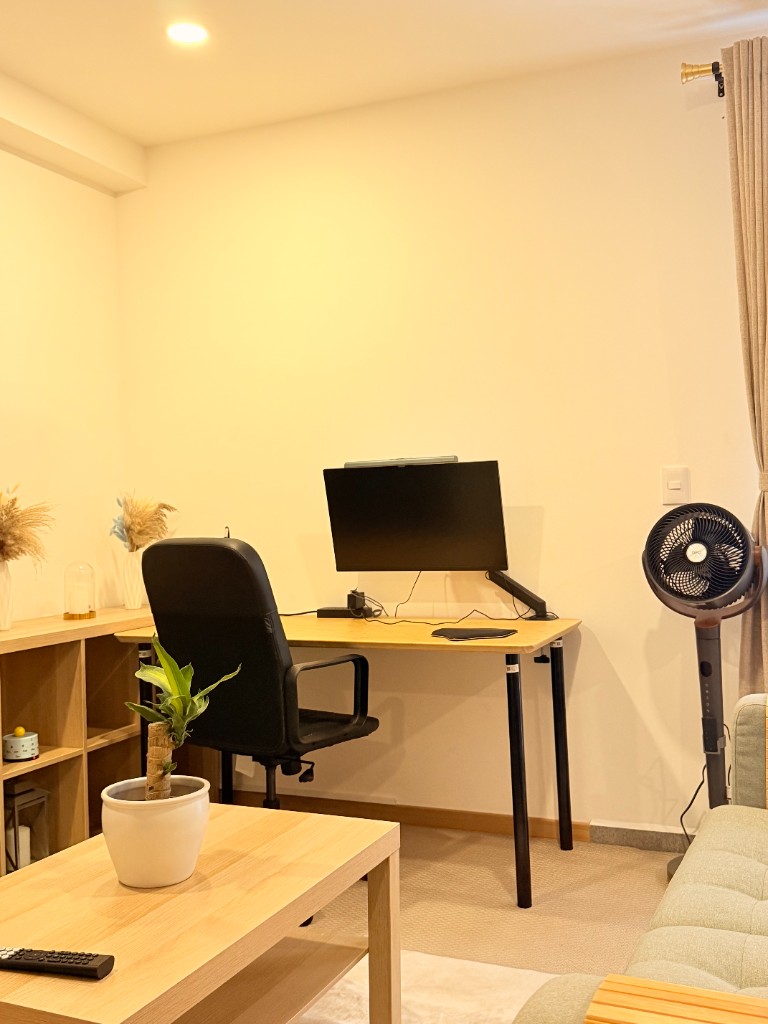
Booking checklist (long stay, hospital-driven)
Before you wire money for a 30–90 night hospital-adjacent stay:
- Nights: confirm cancellation rules if dates depend on clinical milestones (rotation ending early, treatment extended, surgery dates moved). Ask explicitly whether your operator can absorb a 7- or 14-day shift.
- Space: separate desk or table for admin calls; reliable Wi-Fi for telehealth or coordination.
- People: guest count and privacy (private room vs entire apartment). For families staying together, confirm bedding configuration and whether an extra sleeper is included.
- Paperwork: email info@stayworkcdmx.com before paying if your institution needs CFDI invoicing, RFC matching, or an itemized receipt for reimbursement. Many guest hosts cannot handle CFDI on short notice — better to confirm in writing first.
- Check-in: clarify arrival hours, key handoff, and what happens if your flight lands at 1 AM after a redirected itinerary.
- Pets, visitors, and quiet hours: if a colleague will visit for a week, or if a family member needs to share the apartment for a stretch, raise it before booking rather than negotiating mid-stay.
For monthly stays
Compare furnished Narvarte stays for medical staff
When Narvarte is not the right answer
This guide treats Narvarte as the strong default for hospital-adjacent monthly stays, but it is not the only answer. Choose differently when:
- The target hospital sits clearly outside the central corridor (Médica Sur, ABC Observatorio, Hospital Ángeles del Pedregal). South-of-the-city campuses pair better with Del Valle, San Ángel, or Coyoacán.
- The stay is short enough (under 14 nights) that a hotel near the hospital makes more sense than a monthly furnished apartment.
- The guest needs an executive corporate stay with full hotel services, not residential autonomy. Polanco-style options fit that brief better — open Polanco vs Narvarte for monthly stays for the trade-offs.
- The block-by-block specifics around Doctores genuinely beat Narvarte for a single hospital target. Read best areas in CDMX for medical-adjacent stays before locking in.
Spanish edition
For queries such as personal médico, estancia larga cerca de hospital, or departamento por un mes cerca de Centro Médico, read the paired Spanish guide: estancia larga cerca de hospitales en Narvarte (personal médico) .
Related guides in this cluster
- If your stay is driven by a family member’s hospitalization rather than your own work assignment, read patient-family housing near CDMX hospitals (Spanish: hospedaje familiares de pacientes ).
- If you are an international patient recovering from a planned procedure, read medical tourism recovery apartments in Mexico City (Spanish: turismo médico: departamento de recuperación ).
Once dates and rotation details are firm, use Book Direct to start the booking conversation, or email first if your stay involves institutional billing, multi-room arrangements, or fluctuating end dates.