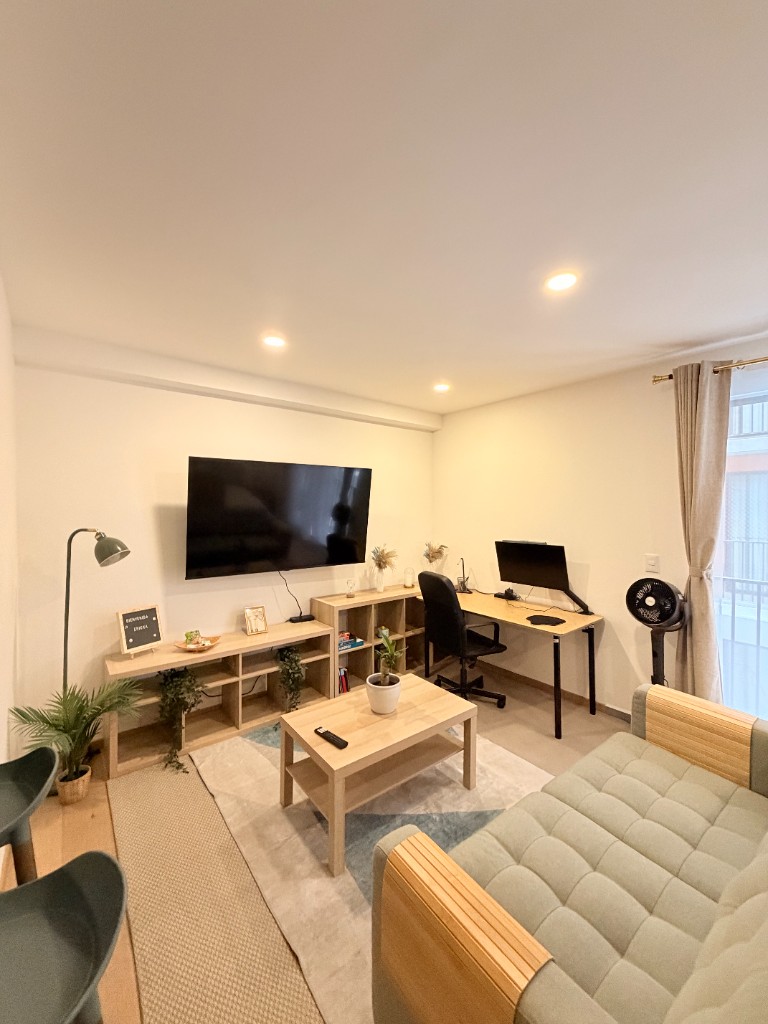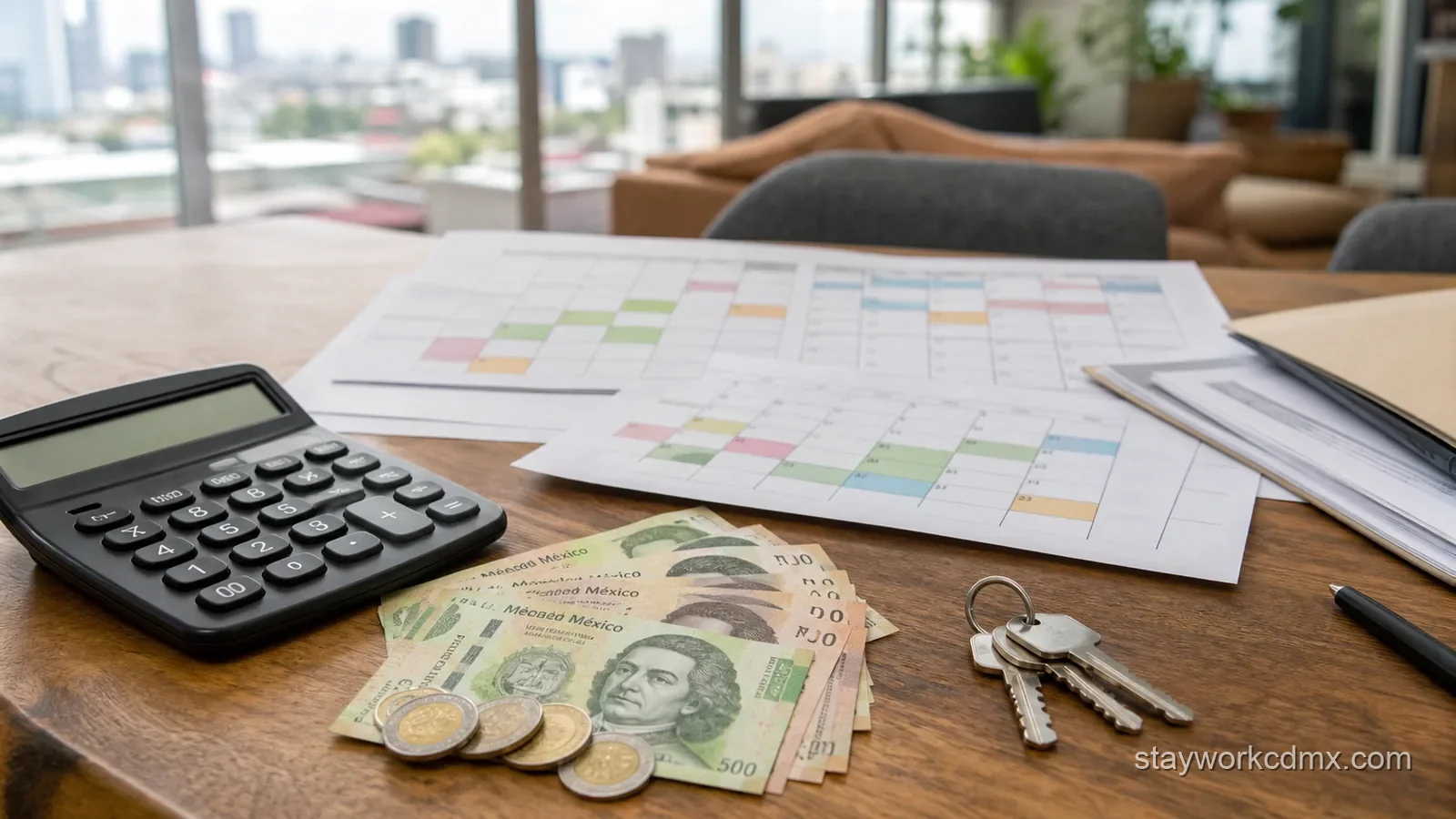
We’ve hosted over 300 guests in Mexico City, and a surprising number arrive having almost booked something else: a listing that was too cheap, a “host” who wanted a bank transfer before showing an address, a photo they later found on three other sites. Learning how to book a vacation rental in Mexico City safely isn’t complicated, but the booking step is where travelers lose money. This is the guide I’d give a friend flying in.
If you’re still deciding whether an apartment is the right format for your trip, start with the broader Mexico City vacation rentals overview, then come back here for the how-to.
Where people actually book
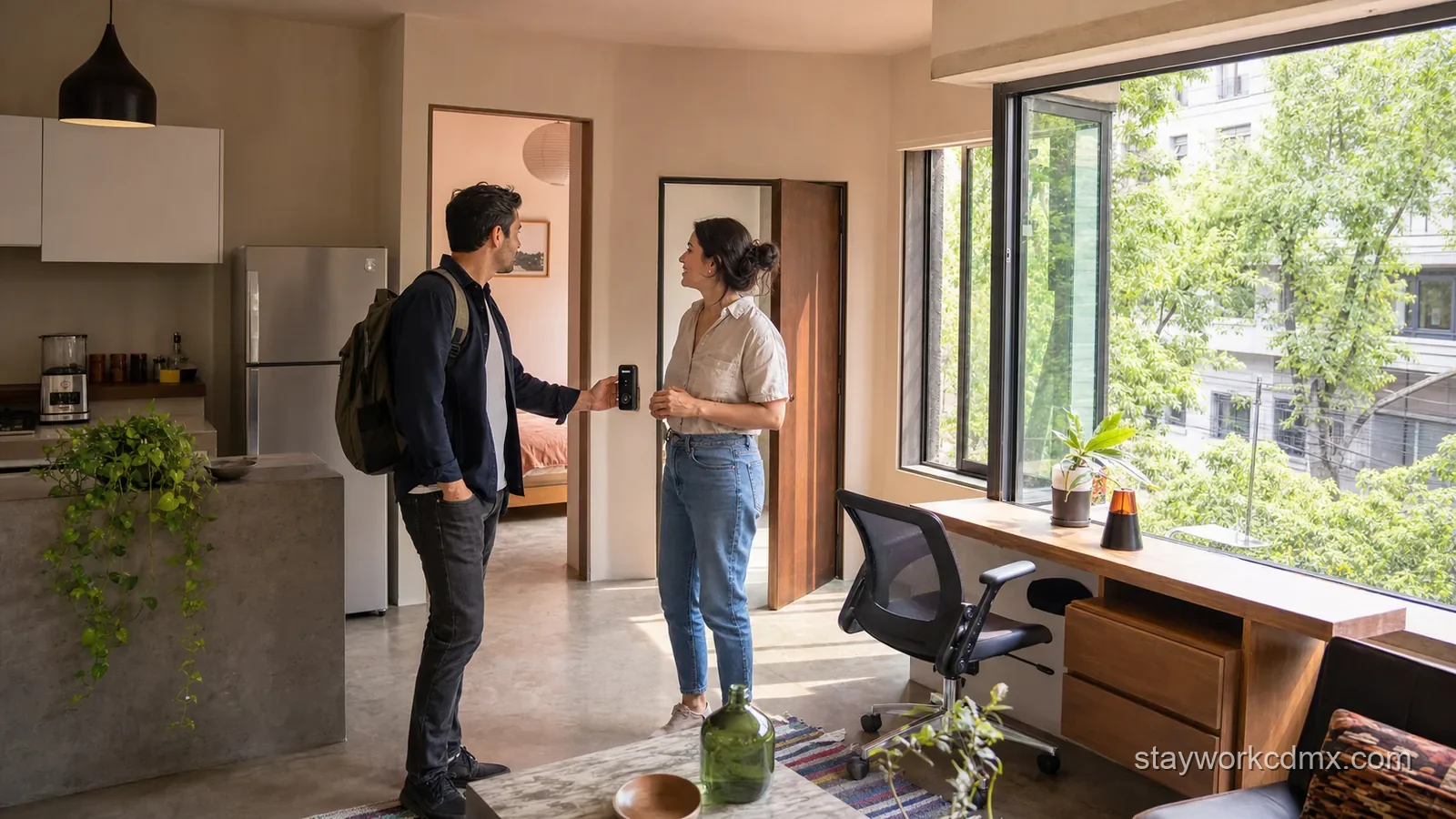
Most travelers book a CDMX vacation rental one of three ways:
- Big platforms (Airbnb, Vrbo, Booking.com): the default for first-timers. You get a payment intermediary, a review system, and a cancellation record. The trade-off is service fees and a host you’ve never spoken to.
- Booking direct with a host or small operator: you deal with the person running the apartment, usually at a lower total price, with a real phone number for the stay. The catch is that you do the verification a platform would otherwise do.
- Marketplace and social listings (Facebook groups, Marketplace, forums): the cheapest-looking and the riskiest. There’s no intermediary and no protection, and most scams start here.
Whichever you use, safety depends on whether you can verify the listing and pay in a way you can dispute. For the direct-vs-platform trade-off in detail, see book direct vs Airbnb for monthly apartments in CDMX .
What it costs to book a vacation rental in Mexico City
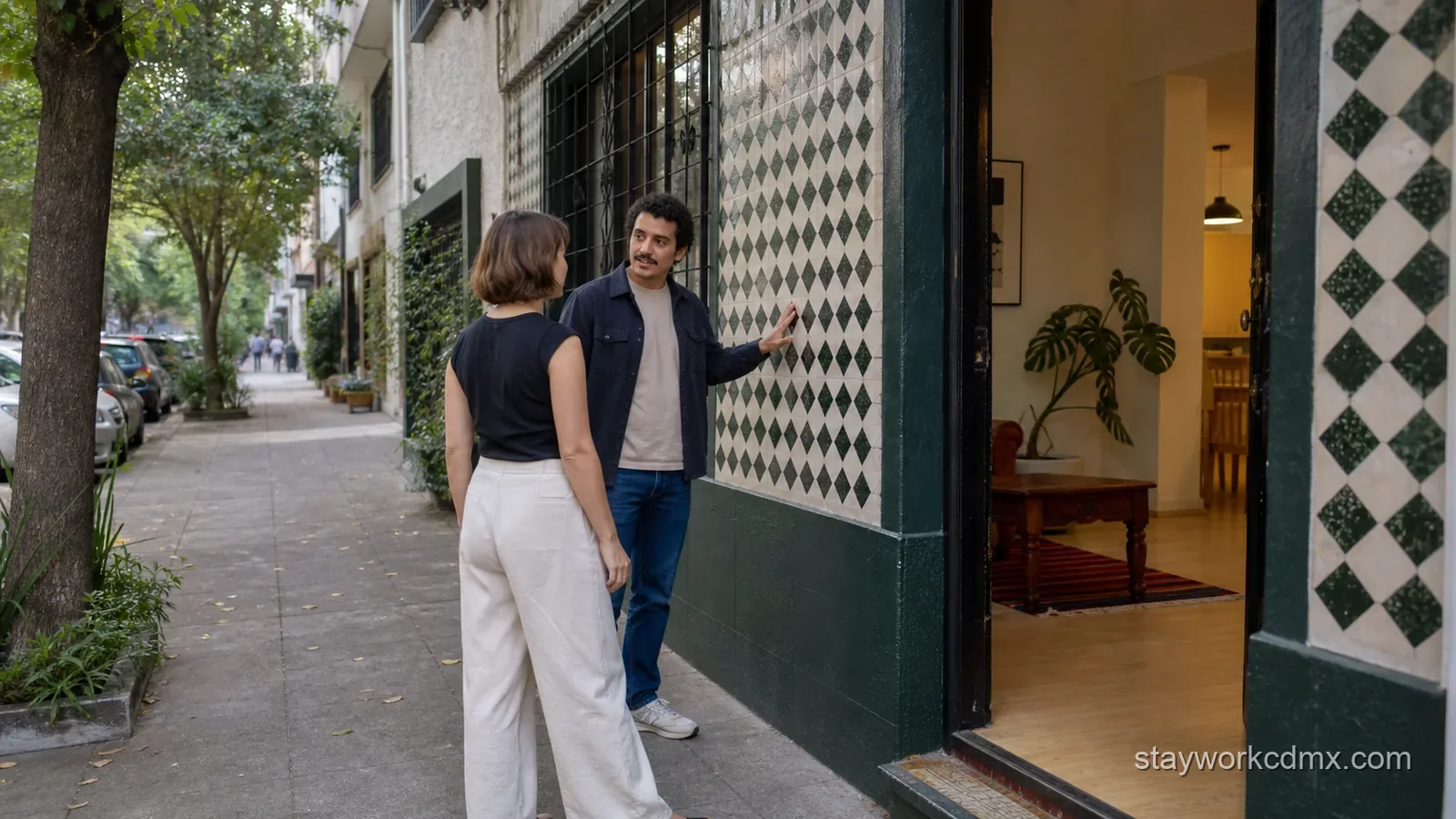
The real price bands are your first scam filter, because most bait listings are priced below what an apartment in that neighborhood can rent for. These are realistic 2026 ranges for well-reviewed, furnished one-bedroom apartments:
| Neighborhood | Nightly (short stay) | Monthly (30+ nights) | Character |
|---|---|---|---|
| Roma Norte | $1,400–$2,500 MXN | $28,000–$42,000 MXN | Café culture, walkable, high demand |
| Condesa | $1,500–$2,600 MXN | $30,000–$46,000 MXN | Parks, expat favorite, lively |
| Narvarte | $800–$1,500 MXN | $22,000–$32,000 MXN | Residential value, near hospitals and Metro |
| Del Valle | $850–$1,600 MXN | $24,000–$34,000 MXN | Quiet, larger units, Metro Línea 3 |
| Polanco | $2,200–$4,000 MXN | $38,000–$55,000 MXN | Executive premium, hotel-grade buildings |
Three pricing rules to know before you compare listings:
- The nightly rate is not the total. Cleaning fees, platform service fees (14–16% on Airbnb), and Mexico City’s 5% lodging tax stack on top. Always compare the checkout total, not the teaser rate.
- Monthly stays change the math. Per night, a 30-night booking often costs 40–60% less than the same apartment by the week. If your trip runs past three weeks, price it as a monthly stay before you book nights.
- A “Roma Norte one-bedroom” at $600 MXN a night is not a deal. It is either not in Roma Norte, not a one-bedroom, or not real. Prices meaningfully below the bands above are the single most reliable scam signal.
Timing moves these bands too. January through April is high season for remote workers. Late October through early January stacks Day of the Dead, the holidays, and year-end corporate demand, and the June–July 2026 World Cup window squeezes central inventory hardest of all. For any of those, book well-reviewed apartments months ahead; for a normal-month trip, 3–6 weeks out still gives good selection.
How to vet a listing before you trust it
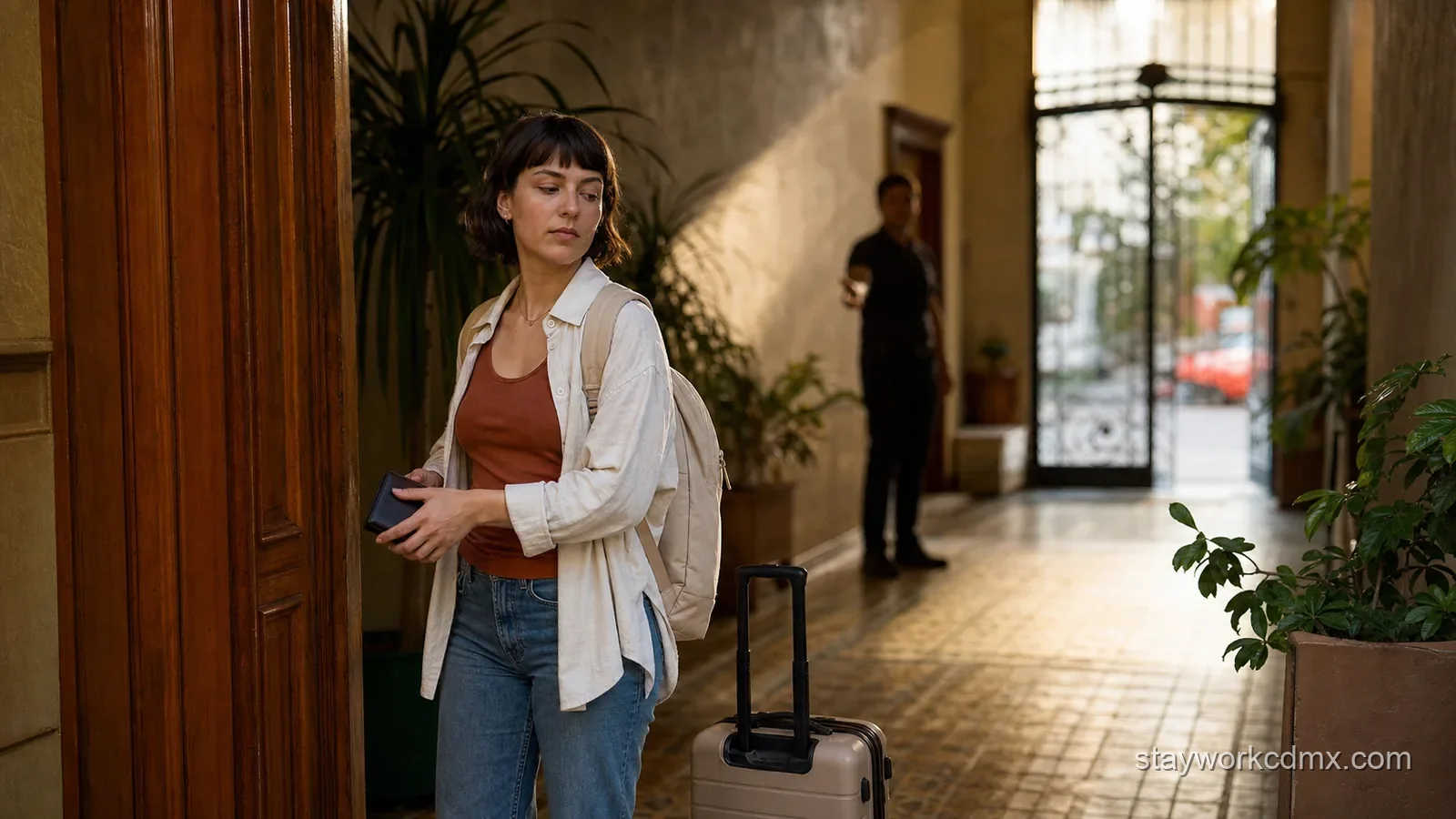
A good listing survives a few minutes of scrutiny. Run these checks on anything you’re seriously considering:
- Read recent reviews, not just the star count. Look for reviews from the last few months that mention specifics: Wi-Fi speed, noise, the actual check-in, whether the host responded to a problem. A wall of five-star, one-line reviews (“great place!”) is weaker evidence than a handful of detailed ones.
- Check the host’s response rate and how they answer. Ask something specific, like “Is the desk a real desk or the dining table? How fast is the Wi-Fi? What’s the nearest Metro?” A host who answers precisely and quickly will also answer when the water heater fails at 9pm. Treat vague or slow replies as a warning.
- Verify the photos are real. Drag a listing photo into Google Images for a reverse search. If the same shot appears on stock sites or unrelated listings, walk away. Real apartments have slightly imperfect, consistent photos across rooms; be wary of five glossy magazine shots and nothing of the bathroom.
- Pin down the exact location. Scam and bait listings stay vague (“Roma Norte, great area!”) because there’s no apartment behind them. A legitimate host will give you the building, cross streets, or a map pin before you pay. If they won’t say where it is, you’d be paying for a story.
Red flags and common scams
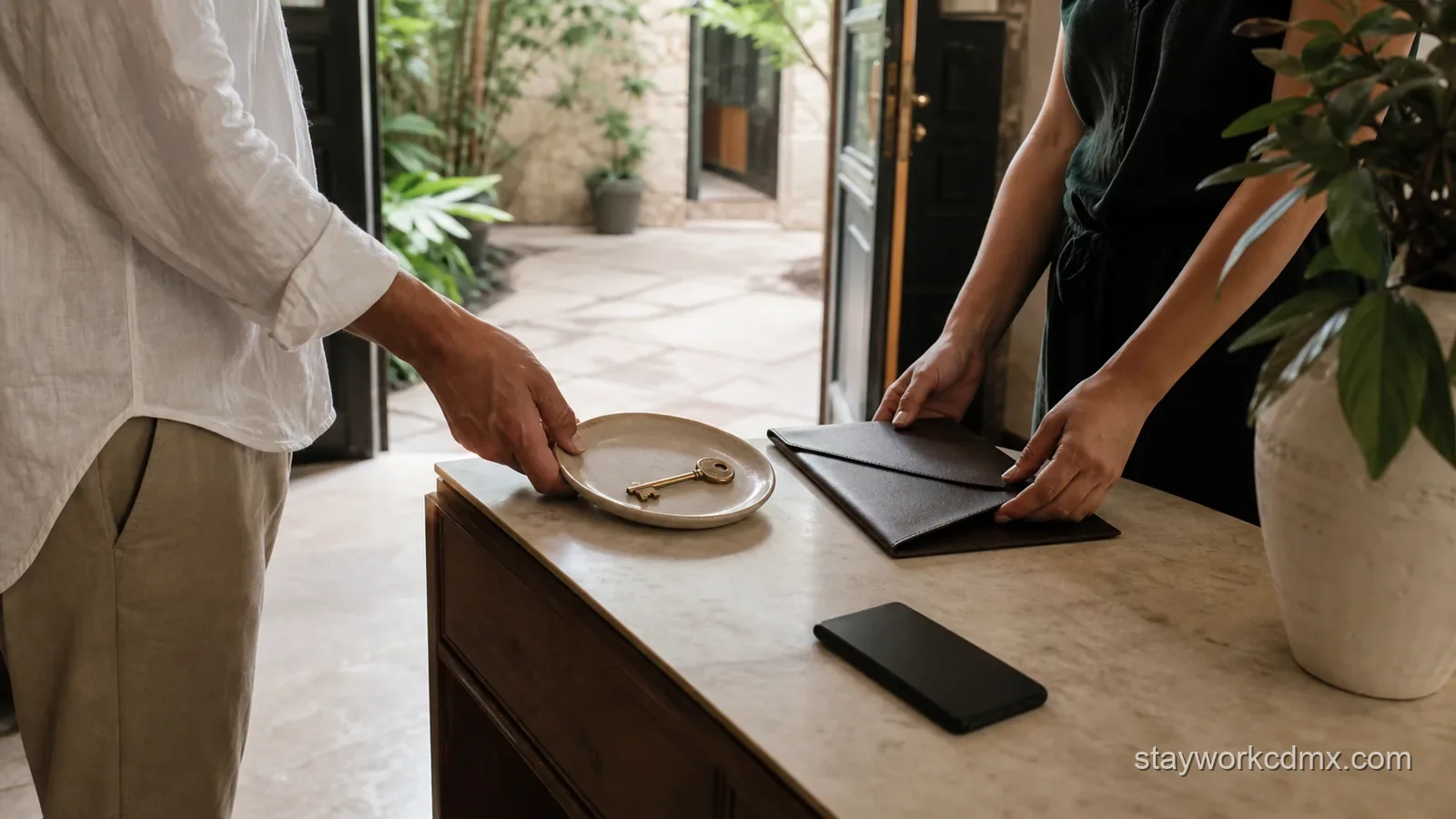
The Mexico City rental scams that catch travelers are boringly consistent:
- A price far below the neighborhood. If comparable Roma Norte or Condesa apartments run one range and this one is half that, the discount is the bait. Real value exists, but a 60%-under-market “steal” almost never does.
- Pressure to leave the platform. “Airbnb is charging me too many fees, just send me a transfer directly.” This is the single most common scam opener. The moment you pay off-platform, every protection you had is gone.
- Payment by wire, crypto, or gift card. Legitimate hosts take card, platform payment, or a documented transfer after you’ve verified them. Anyone demanding irreversible payment methods up front is setting things up so they can disappear.
- Urgency. “Three other people are asking, pay in the next hour to hold it.” Manufactured scarcity exists to stop you from doing the checks above.
- No reviews and a brand-new profile. This isn’t always a scam, since new hosts are real, but it means the other checks (photos, location, a video call) have to carry more weight.
Paying safely
One rule holds against every scam: pay in a way you can dispute.
- On a platform, pay through the platform. Never move the conversation and the money to WhatsApp before check-in.
- If you book direct, a credit card gives you chargeback rights. A documented bank transfer to a registered business, with an invoice or written confirmation, is reasonable once you’ve verified the host. A same-day cash-equivalent transfer to a personal account you can’t trace is not.
- Keep everything in writing: the address, the price, the dates, the cancellation terms. A screenshot of a clear agreement is worth more than a friendly phone call.
What to confirm before you pay
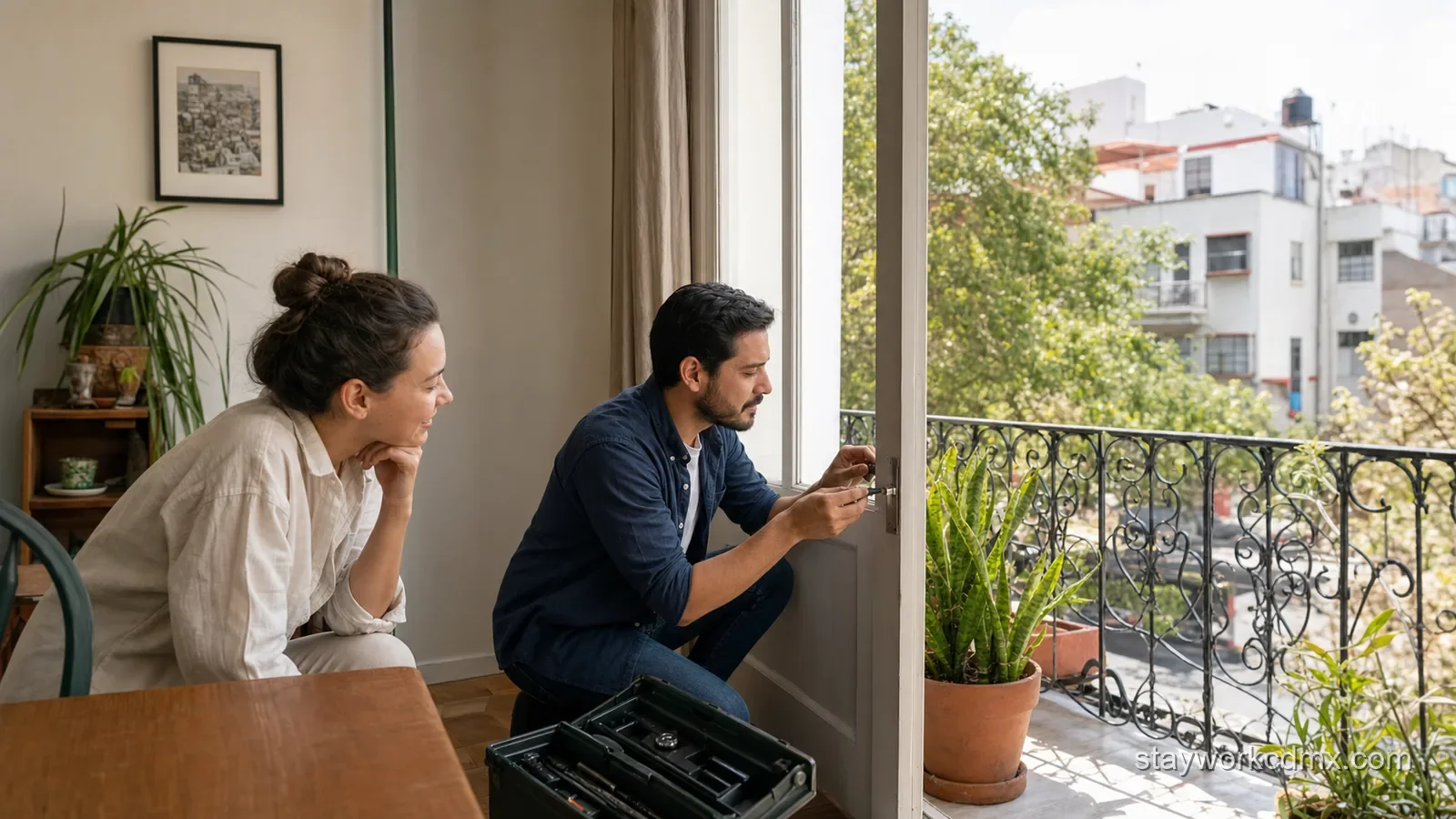
Don’t send money until these are answered in writing. Use this as a pre-booking checklist:
| Confirm before paying | Why it matters |
|---|---|
| Exact address or cross streets | Proves the apartment exists and matches the photos and neighborhood |
| Total price incl. cleaning, fees, taxes | The nightly rate hides the real cost; ask for the all-in number |
| Cancellation policy, in writing | Plans change; know what you get back and by when |
| Check-in method and timing | Late AICM landings need self check-in or a confirmed late arrival |
| Who to contact during the stay | A real person for a broken lock or lost key, not a 24-hour ticket queue |
| What’s included | Wi-Fi, utilities, and whether the “furnished” setup fits your trip |
If a host answers all six clearly and quickly, you’ve found a good one. If they dodge two of them, keep looking.
Pick the neighborhood before you pick the apartment
A perfectly vetted apartment in the wrong neighborhood is still the wrong booking. Mexico City is enormous, and the four or five areas where visitors want to stay are very different:
- Roma Norte is the default for first-timers and remote workers, with cafés, coworking, restaurants, and most errands within a ten-minute walk. It books out fastest and carries the price premium to match. Browse live availability on the Roma Norte monthly stays page to calibrate what real inventory costs.
- Condesa trades some of Roma’s restaurant density for parks and running routes. If you are torn between the two, the Roma Norte vs Condesa monthly stay comparison breaks down rent, noise, and daily-life differences.
- Narvarte is where value hunters and monthly guests end up: the same central access at 25–30% lower rent, quieter nights, and some of the city’s best street food. The Narvarte guide for remote workers covers the cafés, gyms, and transit that make a longer stay work, and the furnished monthly apartments in Narvarte page shows what real 30+ night inventory costs there.
- Del Valle suits guests who want residential calm and bigger apartments; the Del Valle monthly cost and routine breakdown has realistic budgets.
If you’re staying longer than a vacation, the ranked guide to the best neighborhoods in Mexico City for remote workers in 2026 compares all of these, plus Escandón and San Rafael, on rent, noise, Wi-Fi reliability, and monthly livability.
The case for an established local host
Big platforms are the safe default when you know nothing about a host. Once you can verify who you’re dealing with, booking direct with an established local operator often gets you a better total price and a real relationship: someone who answers in Spanish and English, knows the building, and fixes problems the same day instead of escalating a ticket.
That’s how we run StayWork: furnished apartments in Roma Norte and Narvarte, 300+ guests hosted, a 4.66-star track record, and a person on the other end of the message. Direct bookings on our site run a standing 10% below the Airbnb price for the same apartment. The platform commission we do not pay becomes your discount, applied automatically at checkout. If you want to skip the platform markup and deal directly, our monthly rentals in Mexico City page has live inventory and a real host to talk to before you commit a peso.
Book on whatever channel you trust, but run the checks first. The travelers who get burned in CDMX almost always skipped the boring step: verifying the listing, confirming the total, and paying in a way they can take back.