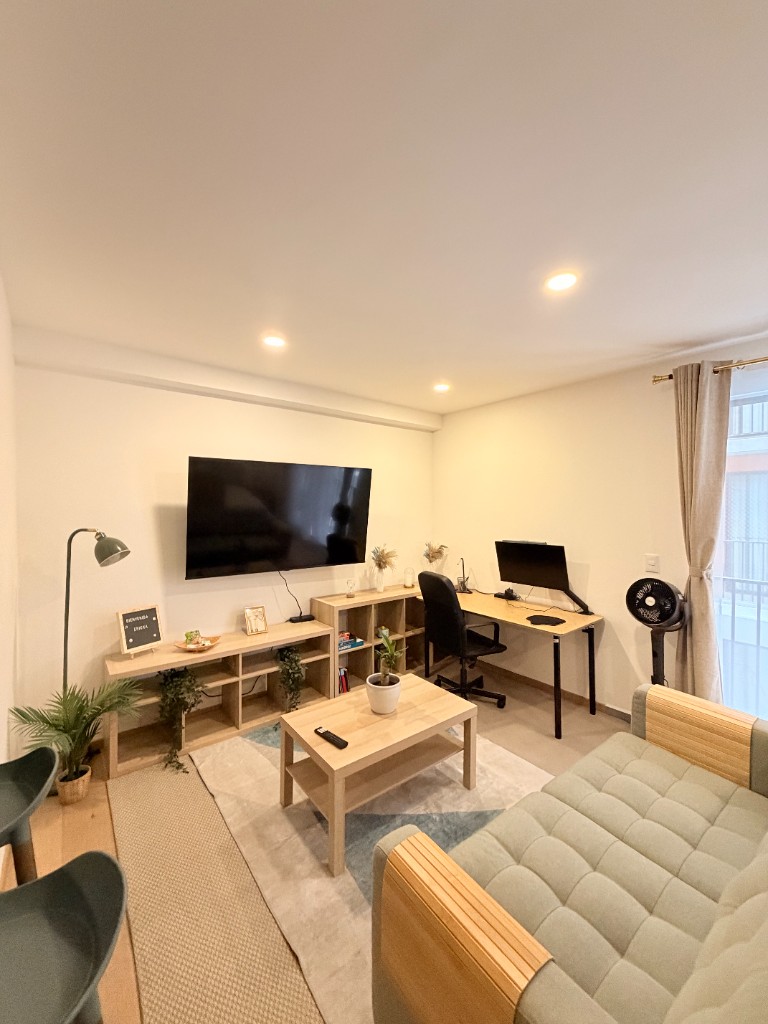
Foreigners searching for rentals in Mexico City often hit the same blocker: fiador.
In many Mexican leases, a fiador is a guarantor, someone who can be held responsible if the tenant does not pay or breaks the agreement. In Mexico City, landlords often want that person to own property locally, which is usually impossible for a newly arrived foreigner.
For the broader rental decision, start with long-term rentals in Mexico City for foreigners . This article focuses on the guarantor problem: what fiador, aval, and poliza juridica mean, when they appear, and how to rent without one.
If you need a lighter 30+ night path instead of a traditional lease, compare furnished apartments in Mexico City before you spend weeks trying to solve a guarantor requirement.
Quick Answer
Quick answer
A fiador is a guarantor for a rental contract. In CDMX, the hard version is a local property-owning guarantor. Some landlords also use aval to mean a co-signer or financial backer, and some use poliza juridica as a paid screening or legal guarantee alternative.
Foreigners can rent without a fiador, but the easiest path is usually not a raw traditional lease. For one to three months, a furnished monthly apartment often avoids fiador, furniture setup, utility contracts, and long lease paperwork.
Fiador, Aval, and Poliza Juridica

These terms overlap in casual conversation, but they are not identical.
| Term | Plain-English meaning | Why it matters |
|---|---|---|
| Fiador | Guarantor who backs the lease | Often expected to own local property and accept legal risk |
| Aval | Co-signer or financial backer | Sometimes used loosely as a guarantor requirement |
| Poliza juridica | Legal screening or guarantee product | Can replace a fiador in some leases, but adds cost and approval steps |
| Deposit | Money held against damage or unpaid obligations | Common even when no fiador is required |
Whatever the term, the landlord wants a way to recover losses if a tenant leaves, damages the apartment, or stops paying. A newly arrived foreigner usually cannot provide the local property-backed guarantee that a traditional landlord expects.

Why Foreigners Get Stuck
Most foreigners do not have:
- a family member in CDMX who owns property
- local employment history
- Mexican bank statements
- a long rental record in Mexico
- Spanish-language comfort with lease review
- time to negotiate screening products before arrival
You can still rent, but a traditional lease may not be the right tool for the first stay.
If you are moving permanently and already have local support, a lease may make sense. If you are testing CDMX, working remotely for one to three months, relocating an employee, or arriving before paperwork is settled, a furnished monthly apartment is usually simpler.
Traditional Lease Friction vs Furnished Monthly Stay
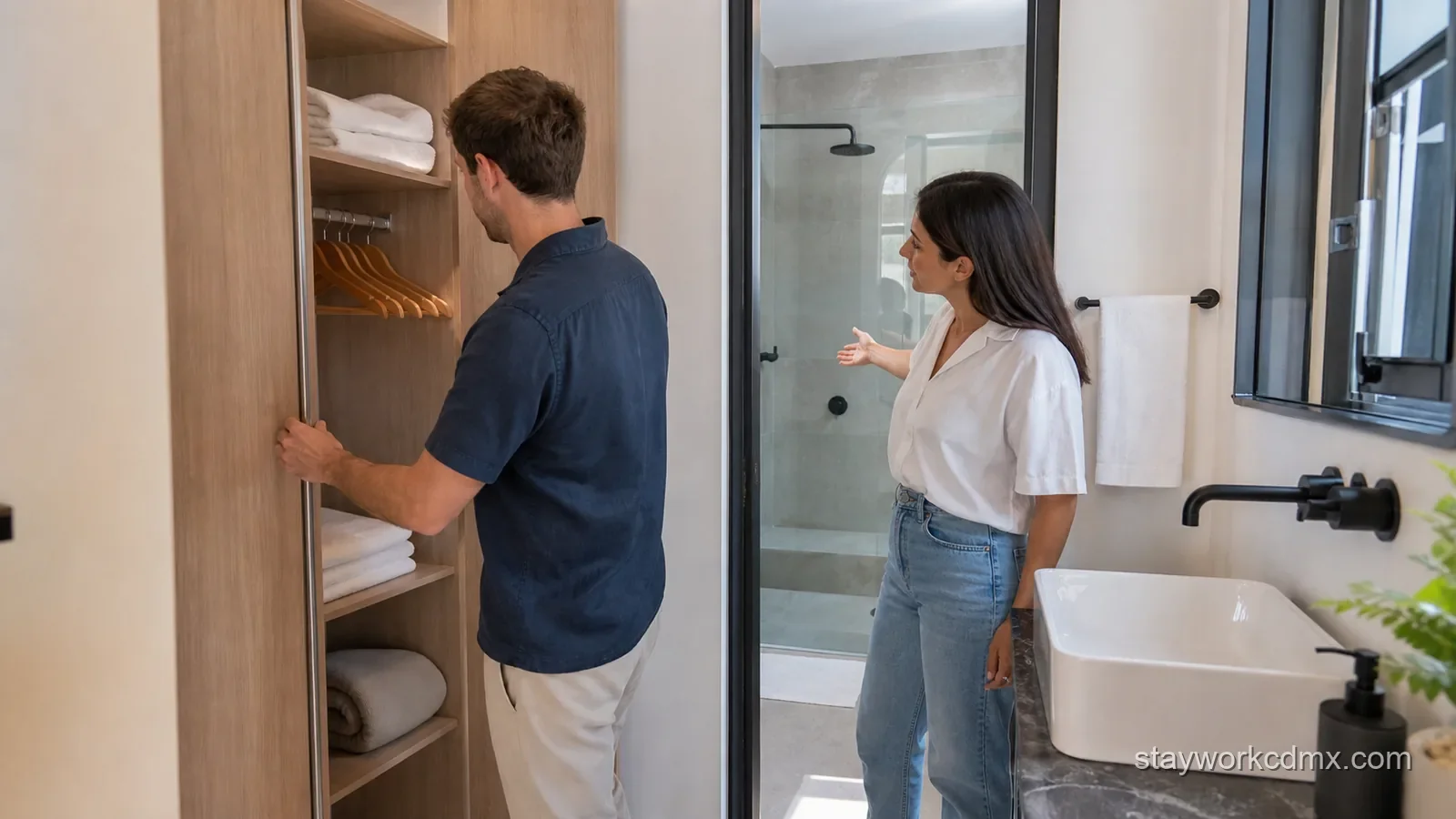
A traditional lease can be cheaper on paper, but the low monthly rent is only one piece.
| Question | Traditional lease | Furnished monthly stay |
|---|---|---|
| Fiador or guarantee | Often required | Often not required |
| Furniture | Tenant handles it | Already included |
| Internet and utilities | Tenant may set up | Usually already active |
| Stay length | Usually longer commitment | Better for 30-90 nights |
| Contract friction | Higher | Lower, if terms are clear |
| Best fit | Settling long term | Trial month, remote work, relocation, project stay |
The furnished route is not automatically cheaper, though it is usually less fragile: you are paying for the apartment to be usable from day one, which matters when you do not yet know the city, landlord norms, or local paperwork.
What Each Path Costs Upfront (MXN)

Here is what the first month typically costs on a $20,000 MXN/month unfurnished lease versus a furnished monthly apartment in the same price tier, using mid-2026 CDMX norms:
| Upfront item | Traditional lease | Furnished monthly stay |
|---|---|---|
| First month’s rent | $20,000 MXN | $22,000–$34,000 MXN (Narvarte / Del Valle tier, all-in) |
| Security deposit | $20,000–$40,000 MXN (1–2 months) | $0–$10,000 MXN, refundable |
| Poliza juridica | $6,000–$10,000 MXN (30–50% of a month, one-time) | Not required |
| Broker / agency fee | $0–$20,000 MXN (often one month when an agency is involved) | Not required |
| Furniture and kitchen basics | $30,000–$80,000 MXN if starting from zero | Included |
| Utility and internet setup | $1,500–$3,500 MXN in deposits and installation | Included and already active |
| Realistic first-month total | $77,000–$173,000 MXN | $22,000–$44,000 MXN |
The lease’s lower monthly rent only pays that gap back after many months, so it makes sense for a real long-term move and rarely for a first stay. To check furnished pricing by neighborhood, the furnished monthly apartment cost guide publishes full MXN ranges.
Where to Rent Without a Fiador: Neighborhood Context

No-fiador furnished rentals cluster in the central, remote-work-friendly colonias, and the neighborhood you pick changes both the price and the month:
- Narvarte is the value play: quiet residential blocks, real markets, and monthly rates of roughly $22,000–$32,000 MXN for a furnished 1BR. Browse Narvarte furnished monthly apartments for current inventory, or read the Narvarte guide for remote workers to see what a month there feels like.
- Roma Norte costs more ($28,000–$42,000 MXN for a comparable 1BR) but is fully walkable and dense with cafés and coworking spaces. See Roma Norte monthly stays .
- Del Valle sits between the two: quiet and residential, with good metro access and larger units for the money. The Del Valle monthly cost and routine guide breaks down a realistic budget there.
If you have not shortlisted a colonia yet, start with best neighborhoods in Mexico City for remote workers in 2026 and work backwards from your routine rather than from listing photos.

How to Rent Without a Fiador
These are the practical routes foreigners use in CDMX, roughly in order of how often they work for a first stay.
1. Book a furnished monthly apartment
This is the most common no-fiador path for 30+ night stays, remote work months, relocation trials, and corporate assignments. Direct operators price by the month, include furniture and utilities, and screen guests with identity checks rather than property-backed guarantees. The paperwork is usually a passport, your dates, and payment instead of a notarized guarantor file. Start with where to stay in Mexico City for a monthly furnished stay to match the neighborhood to your routine before you compare units.
2. Offer a higher deposit or prepaid rent
Some traditional landlords accept two to three months of deposit, or several months of rent paid upfront, instead of a fiador. This can work. Get the refund conditions, the timeline, and the currency in writing, and be cautious about handing a private landlord a large prepayment before you have seen the apartment and verified ownership. If the numbers climb past what a furnished month costs, the flexibility you are giving up rarely pays for itself.
3. Pay for a poliza juridica
A poliza juridica is the institutional alternative: a one-time fee of roughly 30–50% of a month’s rent buys a legal policy that satisfies many landlords. Expect a Spanish-language application, income or solvency documentation, and a few days of processing. It makes sense once you have decided on a long-term unfurnished lease and little sense for a 1–3 month stay, where the fee alone can approach the furnished-stay premium.
4. Use an employer-backed stay
A company booking, direct billing, or a corporate housing arrangement shifts the risk conversation from you to your employer. Relocation teams routinely book corporate housing in Mexico City because it removes the guarantor question, and CFDI invoicing gives the company clean documentation.
5. Do a short furnished stay first, then decide
Even if you intend to sign a lease eventually, a first furnished month lets you learn the neighborhoods, walk the blocks at night, and gather the local documents (CURP, RFC, a Mexican bank account) that make a later lease application much easier. Most guests who plan to “solve the fiador problem” before arrival end up solving it faster from inside the city.
Do not treat “no fiador” as the only requirement. You still need clear written terms, a real apartment, reliable internet, a fair deposit process, and a neighborhood that fits the month.
Questions to Ask Before You Pay
- Is this a traditional lease, furnished monthly stay, or platform booking?
- Is a fiador, aval, poliza juridica, or guarantor required?
- What documents are required before approval?
- What is the exact deposit, and when is it returned?
- Are utilities, internet, cleaning, and building fees included?
- What happens if dates change?
- Is the apartment shown the exact apartment reserved?
- Are the terms in writing before payment?

Budgeting the First No-Fiador Month
Whichever route you choose, budget for more than the rent line. A realistic solo budget for a first furnished month in a central CDMX neighborhood looks like this:
| Expense | Range (MXN) | Notes |
|---|---|---|
| Furnished 1BR apartment | $22,000–$34,000 | Narvarte / Del Valle tier; Roma Norte runs $28,000–$42,000 |
| Refundable deposit | $0–$10,000 | Confirm the refund timeline in writing |
| Groceries | $3,000–$5,000 | Markets and supermarkets; cooking most meals |
| Meals out | $3,000–$6,000 | 3–4 restaurant meals per week |
| Transport | $1,000–$1,900 | Metro plus Uber/Didi |
| Laundry, SIM, misc. | $700–$1,400 | Lavandería service and prepaid data |
| Total first month | $29,700–$58,300 | Deposit returned at checkout |
A traditional lease asks for $77,000+ MXN before you have slept a single night in the apartment. Rent furnished first, and sign a lease later if the city earns it.
Bottom Line
If you are a foreigner without a local guarantor, do not force a traditional lease just because the rent number looks lower. First decide whether you need a lease at all.
For a true long-term move, solve the fiador, aval, or poliza juridica issue carefully with local review. For a first month, remote-work stay, relocation trial, or corporate assignment, a furnished monthly apartment is often the safer first step.
For related paperwork context, read CURP and RFC for foreigners in Mexico . For the bigger rental framework, use long-term rentals in Mexico City for foreigners .
FAQ
What is a fiador in Mexico?
A fiador is a guarantor who backs a rental contract if the tenant does not pay or breaches the lease. In CDMX, landlords often prefer a local property-owning fiador.
Can foreigners rent without a fiador?
Yes. Furnished monthly apartments, some direct operators, some higher-deposit arrangements, and some poliza juridica setups can work without a traditional fiador.
Is a poliza juridica better than a fiador?
It depends. A poliza juridica can replace the fiador in some cases, but it still adds cost, screening, paperwork, and Spanish-language review.
Does a furnished monthly apartment require a fiador?
Often no, but policies vary. Confirm identity requirements, deposit rules, total price, and written terms before payment.
How much does a poliza juridica cost?
Most CDMX providers charge roughly 30–50% of one month’s rent as a one-time, non-refundable fee, about $6,000–$10,000 MXN on a $20,000 MXN apartment. Some quote flat fees of $4,000–$8,000 MXN. The tenant usually pays.
How much money do I need upfront without a fiador?
For a traditional lease, plan on $77,000 MXN or more once rent, deposit, poliza, and furniture are counted. For a furnished monthly apartment, the whole upfront cost is the first month plus a modest refundable deposit, typically $22,000–$44,000 MXN all-in.
What documents does a furnished monthly booking require?
Usually just a passport or government ID, your dates, and payment. Some operators add a short booking form or a screening call. The file does not include a notarized guarantor, Mexican credit history, or property deeds.