If you are thinking about Day of the Dead (Día de los Muertos) in 2026, treat it like a major festival week, and do not plan on booking it two weeks out the way you might a casual long weekend. I live in Mexico City and host travelers here, so I see how fast flights and rooms disappear around big cultural dates. This year, with the FIFA World Cup 2026 having just put Mexico in front of a global audience all summer, demand for late October and early November is running stronger than usual.
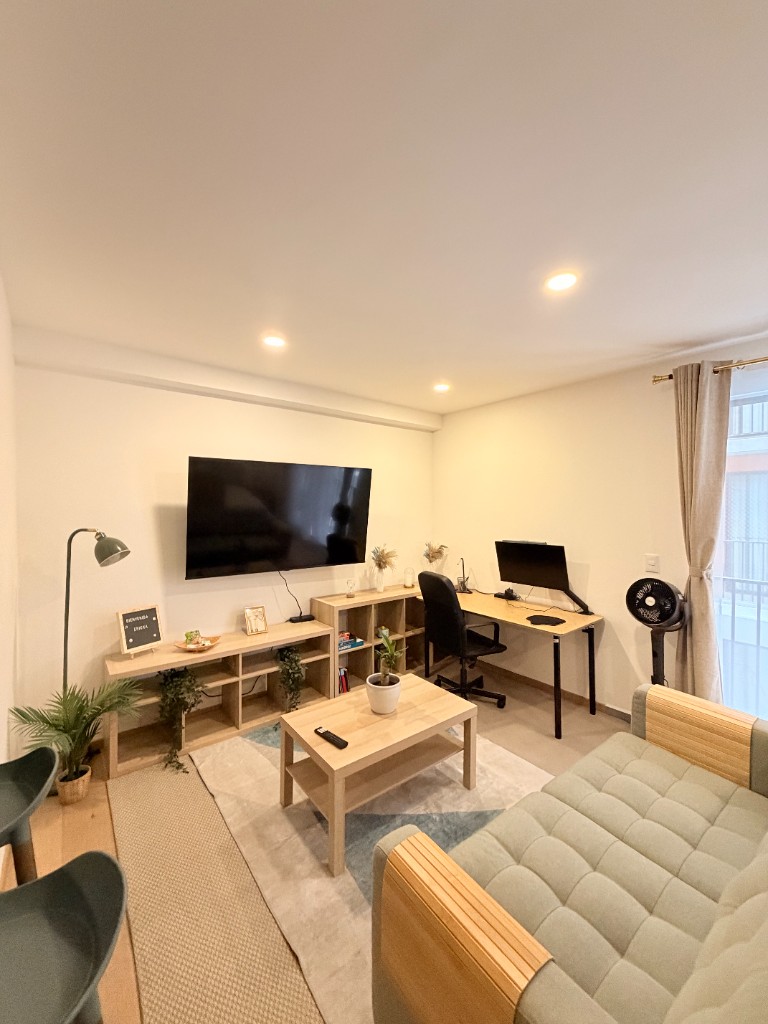
This post covers what the holiday is, when it happens, what a stay costs, and why booking early is the move, especially for Oaxaca, Michoacán, CDMX, or other headline destinations. If CDMX is your base before or after the holiday, start with furnished apartments in Mexico City so lodging does not become the late constraint.
What is Day of the Dead?
Day of the Dead is one of Mexico’s best-known traditions. Despite the name, it is not a horror holiday or a Mexican Halloween. It is a warm, family-centered remembrance of relatives and friends who have died, marked with altars (ofrendas), cempasúchil (marigolds), candles, photographs, and the foods and drinks those loved ones enjoyed. Many families also visit cemeteries to clean graves, tell stories, and leave offerings, often with music and shared meals.
The core dates are November 1 (often associated with children who have died) and November 2 (adults). In practice, the build-up starts in late October and activity runs through the first days of November, especially in towns and neighborhoods known for public celebrations, parades, and night events.
In Mexico City the build-up is citywide: the Mega Procesión de Catrinas and the main Day of the Dead parade run along Reforma and into the historic center, museums and plazas fill with large-scale ofrendas, and neighborhood markets sell marigolds and pan de muerto for weeks. If you are based in a central neighborhood, you do not need to chase a single event, because the holiday comes to you.
Why 2026 is different on the travel calendar
2026 is an unusual year for Mexico. The country co-hosted the World Cup with the United States and Canada, and the tournament wrapped in July after weeks of matches and global press, with full stadiums in CDMX. That means millions of first-time visitors just saw Mexico up close, and many more added it to their “I should go” list from their screens.
Day of the Dead lands months after the final whistle, but the effect is cumulative: once that many people have seen Mexico on TV and social media, peak cultural weeks such as late October and early November feel busier. Day of the Dead is exactly the kind of visual, emotional trip people plan around, and it is unmistakably Mexican.
Think of autumn 2026 as the tail of a year when baseline interest in Mexico is already elevated, with one of the most famous dates on the calendar still ahead.
Why you should book Day of the Dead 2026 well in advance
1. Higher demand, same number of seats and rooms
More attention on Mexico usually means fuller flights and hotels, and that carries past the World Cup window to fixed-date events like November 1–2. Prices move when inventory thins out; the best windows close earlier than in a quieter year.
2. Top towns have hard capacity limits
Places known for major Day of the Dead programming, such as Oaxaca, the Pátzcuaro / Janitzio area in Michoacán, and busy corridors of Mexico City, have a finite number of hotels, small historic centers, and lots of domestic visitors, so the “perfect” listing disappears fast.
3. Domestic travel competes with international bookings
Many Mexicans travel for the holiday too, so buses, regional transport, and local stays fill up alongside international flights.
If you want to be on the ground for November 1–2, 2026, aim to lock lodging first, then flights, as early as you reasonably can, especially for the destinations above. As of mid-August, the good windows are still open; by early October they usually are not.
For how the World Cup summer changed the capital, see our on-the-ground note on Mexico City and the 2026 World Cup .
Where to stay in Mexico City for Day of the Dead 2026
If CDMX is your base, the neighborhood matters more than the exact listing. The parade route and the biggest public ofrendas concentrate around Reforma and the historic center, so a central, well-connected base beats sleeping on top of the events themselves.
- Roma Norte is the classic first-timer choice: walkable to Reforma in 10–15 minutes, dense with cafes and restaurants, and lively in the evenings, holiday week included. If you are choosing between the two most-requested neighborhoods, the Roma Norte vs Condesa monthly-stay comparison settles it block by block.
- Narvarte is the calmer, better-value base: residential streets, serious taco culture, and fast Metro and Metrobús connections to the center. It is where many remote workers end up once they price both options. The Narvarte remote workers guide covers the neighborhood in detail, and Narvarte furnished monthly apartments shows what booking there looks like.
- Del Valle is just south of Narvarte, with a similar quiet, residential feel and good value for longer stays; the Del Valle monthly cost and routine breakdown has real numbers.
For the full ranked picture beyond these three, the guide to the best neighborhoods in Mexico City for remote workers in 2026 compares cost, noise, and connectivity across the city.
Avoid booking an unfamiliar listing directly on the parade route for the holiday week. The atmosphere is spectacular, but it is hard to sleep above. A 15-minute walk or a short Metro ride buys you quiet nights and better prices.
What a Day of the Dead 2026 stay costs in Mexico City
These are 2026 planning bands for furnished, move-in-ready stays with Wi-Fi and utilities handled, not for bare unfurnished leases. Late October and early November dates typically carry a 10–20% seasonal premium over a quiet month, which is another argument for booking early.
| Format | Roma Norte (monthly) | Narvarte (monthly) |
|---|---|---|
| Private room + own bathroom | $12,000–$20,000 MXN | $9,000–$17,000 MXN |
| Full one-bedroom | $28,000–$40,000 MXN | $22,000–$32,000 MXN |
| Full two-bedroom | $40,000–$60,000 MXN | $32,000–$45,000 MXN |
Compare that with the nightly math for the same week: central CDMX hotels that run $1,500–$2,500 MXN per night in a normal week move toward $2,500–$4,500 MXN around November 1–2, and you still have no kitchen and no workspace. Once your stay passes two to three weeks, the monthly furnished rate usually wins outright, and booking direct for 30+ nights avoids the roughly 14–16% platform service fee that nightly bookings carry.
A realistic all-in month for one person working remotely from a furnished one-bedroom during the holiday season:
| Line item | Narvarte | Roma Norte |
|---|---|---|
| Furnished 1BR rent | $22,000–$32,000 MXN | $28,000–$40,000 MXN |
| Groceries | $3,000–$4,500 MXN | $3,500–$5,000 MXN |
| Eating out and cafes | $3,000–$6,000 MXN | $4,000–$8,000 MXN |
| Transit, Metro and occasional Uber | $1,000–$2,000 MXN | $1,000–$2,000 MXN |
| Holiday extras (events, pan de muerto, day trips) | $1,000–$3,000 MXN | $1,000–$3,000 MXN |
| Realistic total | $30,000–$47,500 MXN | $37,500–$58,000 MXN |
Rates move with exact dates, so treat these as budget anchors and confirm the real number on a live calendar before you plan around it.
A simple planning checklist
- Choose your base: a big city hub (e.g. CDMX) or a smaller town known for traditional observances. Each has a different pace, cost, and transport math.
- Book lodging before you obsess over flight sales. In tight markets, the room is often the binding constraint. For StayWork dates, use Book Direct once your city and dates are clear.
- Confirm local schedules. Some exhibitions, routes, or neighborhood events start before November 1, and official and local listings beat generic “best time to visit” blurbs.
- Show up respectfully. Cemeteries are living community spaces, so follow local rules, ask before photographing people or rituals, and listen if someone says a space is closed to visitors.
For a calmer CDMX base with practical transit, check the Narvarte neighborhood hub and live dates while autumn availability is still open.
Bottom line
Day of the Dead is remembrance expressed through art, food, color, and ritual. It is not a costume party imported from abroad. In 2026, interest in Mexico is staying elevated after the World Cup summer, so late October and early November will feel more crowded and more expensive than in a typical year. If you want to be there when the marigolds are out and the altars are lit, planning early is how you get a seat at the table.
For a CDMX stay around the holiday, compare monthly rentals in Mexico City , then use Book Direct for current availability and apartment-specific questions.