Mexico City (CDMX) has quickly become one of the top digital nomad hubs in Latin America thanks to its culture, food, and strong remote-work infrastructure. For most remote workers, day-to-day costs are much lower than in major US and Western European cities, and you still get a big-city lifestyle.
Most recent cost-of-living datasets suggest that a single person’s basic monthly expenses excluding rent are roughly 650–770 USD equivalent, while a comfortable nomad budget including rent typically lands between 1,200 and 1,800 USD per month, depending on neighborhood and lifestyle. A lean nomad living outside the trendiest colonias and cooking at home might get by on around 900–1,200 USD, while those renting a stylish flat in Roma/Condesa with coworking and frequent dining out should budget 1,600–2,200 USD or more.
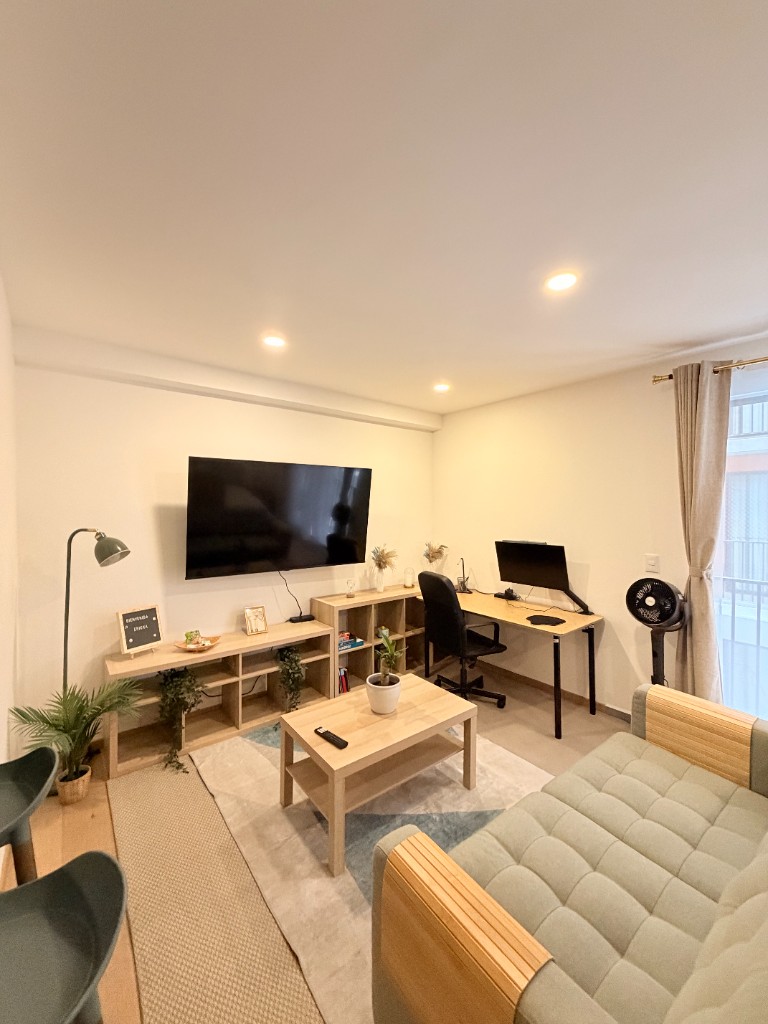
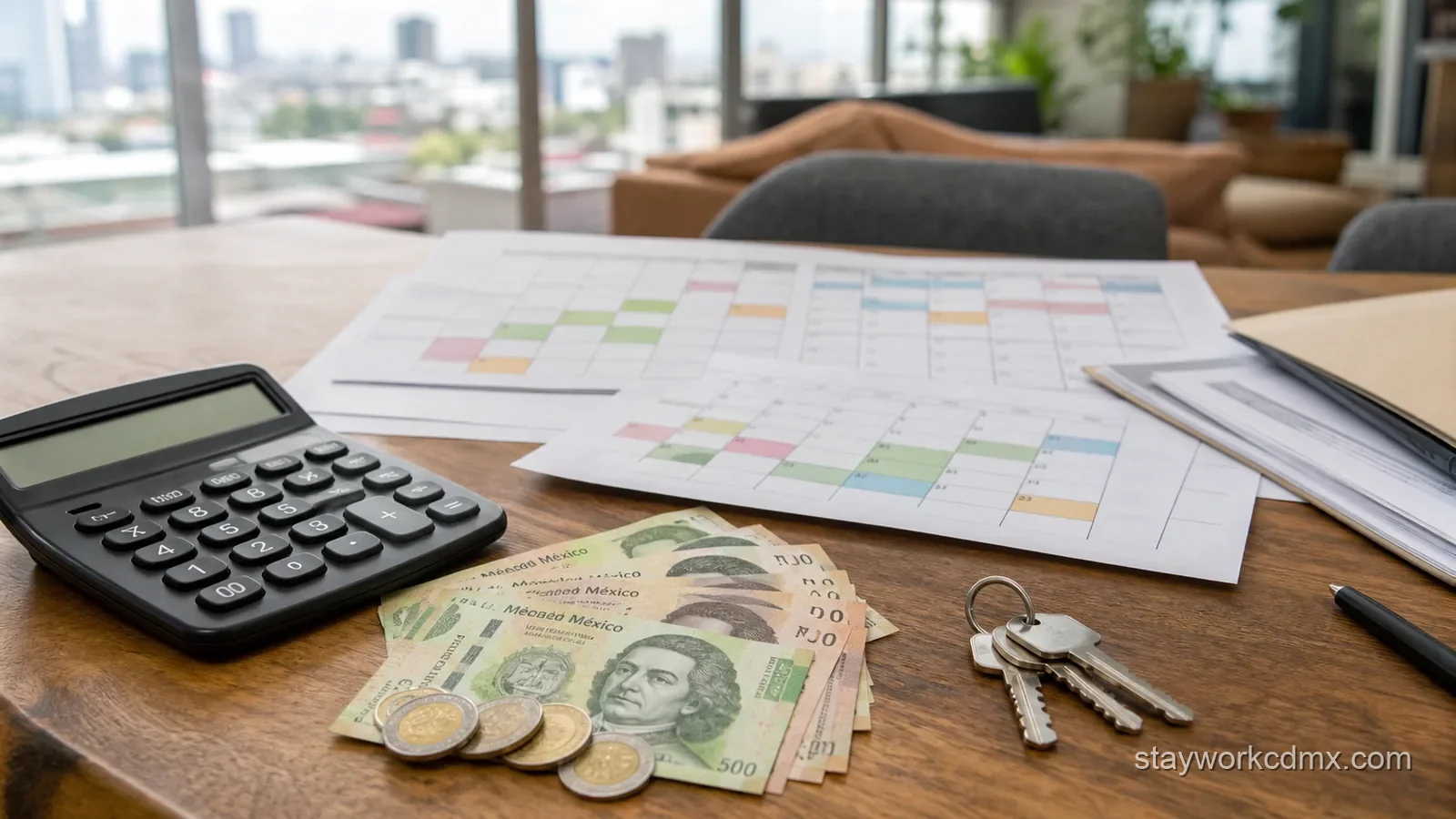
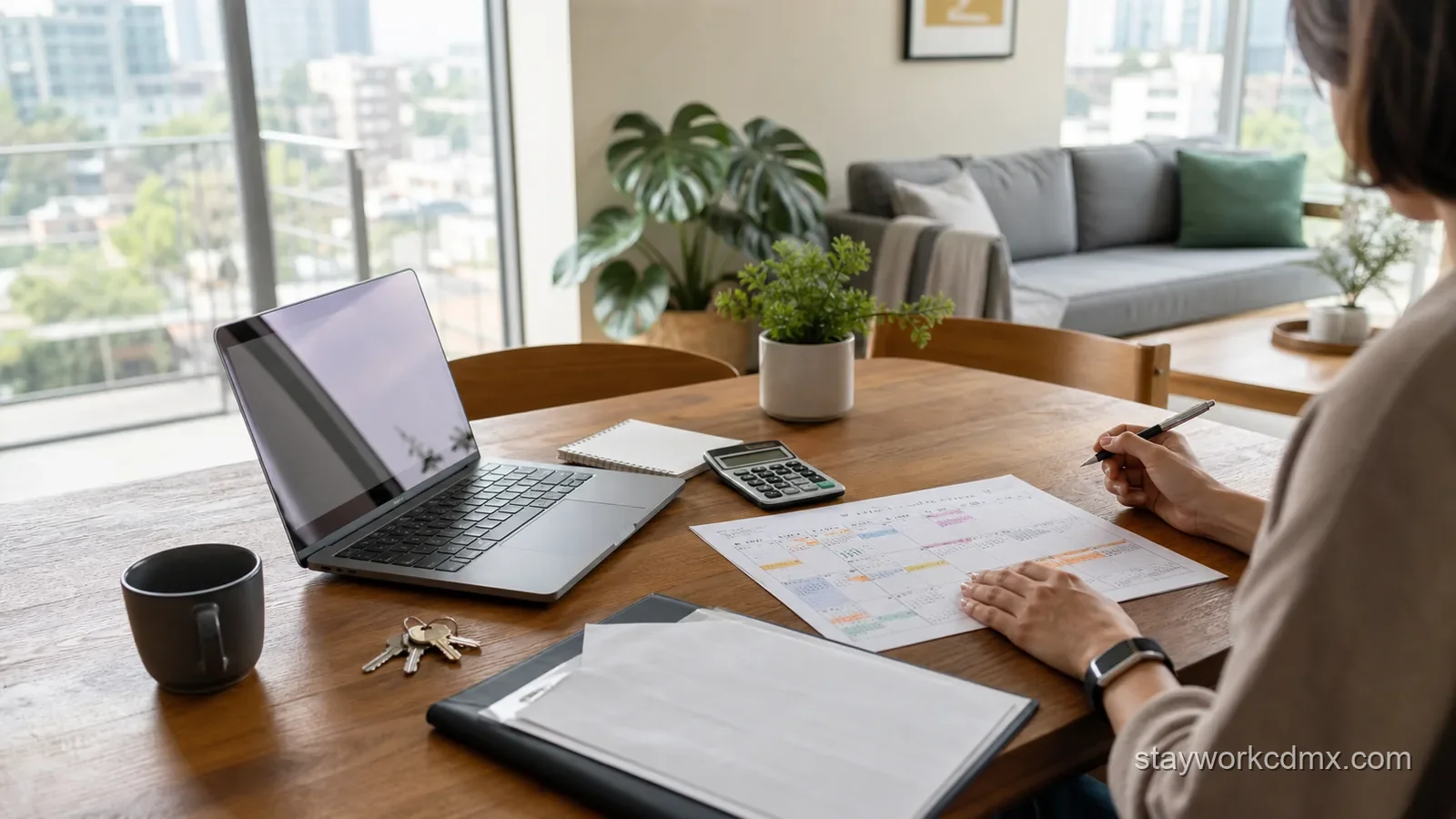
Rent drives the budget more than any other category, so use furnished apartments in Mexico City as a baseline for a furnished stay before comparing raw lease numbers, Airbnb discounts, or coliving quotes. Once you know your budget range and which neighborhood fits, book direct to check availability.
Why Mexico City attracts digital nomads
Mexico City has excellent connectivity and costs less than comparable global capitals. Central neighborhoods have fast internet, there are nonstop flights to North America and Europe, and the city has a busy café scene and a large English-speaking community.
Remote-work guides consistently rank CDMX among the best cities for digital nomads for its mix of affordability, nightlife, culture, and coworking options. For many nomads the main trade-offs are the high altitude and air quality, which rarely outweigh the lifestyle and lower costs. To weigh the decision from the apartment side (workspace, Wi-Fi, neighborhood), see digital nomad apartments in CDMX .
Housing costs by neighborhood
Housing is your biggest expense and varies a lot by colonia. The popular nomad neighborhoods (Roma Norte, Condesa, Juárez, Polanco) cost much more than local areas like Narvarte, Portales, or parts of Benito Juárez.
Read Mexico City neighborhoods for monthly stays alongside the rent table to see which price gaps are worth paying, rather than choosing by the lowest monthly number alone.
Typical long-term rent ranges
Recent rental market data and expat guides report these approximate monthly rents for long-term leases (usually unfurnished) in 2025–2026. The USD figures are rough equivalents and move with the MXN/USD exchange rate.
| Housing type | Area example | Typical monthly rent (MXN) | Approx. USD |
|---|---|---|---|
| 1-bedroom in city centre | Roma, Condesa, Juárez | 18,000–28,000 MXN | ~900–1,400 USD |
| 1-bedroom outside centre | Narvarte, Portales, local areas | 10,000–15,000 MXN | ~500–800 USD |
| 2-bedroom (city-wide avg) | Mixed mid-range areas | ~20,000–22,000 MXN | ~1,000–1,150 USD |
| 3-bedroom in city centre | Polanco, large Roma/Condesa units | 30,000–65,000 MXN | ~1,500–3,300 USD |
| Room in shared flat / coliving | Central nomad areas | 7,000–12,000 MXN | ~350–650 USD |
Furnished apartments aimed at expats and nomads usually cost 15–25% more than unfurnished local leases, especially in Polanco and Roma Norte. Prime Polanco units with high-end finishes and amenities can rent for more than double the city-wide average for the same size.
Airbnb and medium-term stays
Many digital nomads use Airbnb or similar platforms for 1–6 month stays, trading a higher monthly cost for flexibility and no paperwork. Guides for Mexico City nomads say a “nice” one-bedroom in Roma/Condesa on booking platforms often runs 800–1,100 USD per month, and larger or more luxurious apartments in Polanco can reach 1,500–2,000 USD+.
Monthly bookings (28 nights or more) often get an automatic platform discount, and for longer stays you can sometimes negotiate a better price directly with the host. Budget-conscious nomads often start with a short Airbnb in a central area, then switch to a cheaper local lease or room share once they know the city.
Utilities, internet, and mobile data
Utilities at home
Utilities are relatively affordable by US and European standards, especially since CDMX’s mild climate cuts heating and AC use. Cost-of-living indices put basic utilities (electricity, water, garbage, sometimes gas) for a small apartment at around 30–50 USD per month, rising toward 50–60 USD for larger units.
Gas for cooking and hot water may be billed separately, but even then the total is usually modest unless you run heavy appliances or air conditioning. Many rentals, especially furnished ones, also include some utilities in the rent, which makes budgeting simpler.
Home internet
Internet in central CDMX is generally reliable, and fiber and cable are widely available in Roma, Condesa, Juárez, and Polanco. A home broadband package with decent fiber speeds usually costs around 20–30 USD per month, though promotional bundles change the exact price.
Many rentals aimed at nomads already include Wi-Fi, so you may not need to sign your own contract, but always test the speed and stability when you arrive.
Mobile data and eSIMs
Mobile data in Mexico is inexpensive by global standards, and prepaid SIMs or eSIMs are easy to get. Travel eSIM providers and local carriers both sell plans with several tens of gigabytes of data for 15–35 USD per month, depending on speed and roaming.
Coverage in central areas is strong, and many nomads use their phone as a backup hotspot during work calls. For budgeting, 15–30 USD per month is usually enough for a heavy-use remote worker’s mobile data plan.
Coworking spaces and work-friendly cafés
Coworking membership costs
Mexico City has a dense network of coworking spaces, from big brands like WeWork to boutique spaces in old mansions. Digital nomad guides typically quote day passes at around 8–20 USD and full-time monthly memberships at 100 to 250 USD, depending on location and perks.
Examples of approximate monthly hot-desk pricing:
| Coworking space | Approx. monthly rate | Notes |
|---|---|---|
| Impact Hub CDMX | ~190–200 USD | Community-oriented, central location |
| Público | ~200 USD | Multiple branches, design focus |
| El 3er Espacio | ~130 USD | More budget-friendly, full-time access |
| WeWork (various) | 150–250+ USD | Brand premium, many locations |
| Budget options | From ~120–130 USD | Fewer perks, smaller spaces |
Many nomads cowork a few days a week and work from home or cafés the rest, which keeps costs down and still gives them a community.
Cafés and alternative work spots
Roma, Condesa, and Juárez are packed with laptop-friendly specialty coffee shops. A good cappuccino or pour-over typically costs 40–80 MXN (≈2–4 USD), so café-hopping stays affordable as long as you order a drink or snack every couple of hours.
Libraries, cultural centers, and some hotel lobbies also work as informal workspaces, though the Wi-Fi quality varies. Used well, they can reduce or even replace the need for a coworking membership on short stays.
Food, groceries, and eating out
Grocery costs
Food is one of the big advantages of living in Mexico City: you can eat extremely well on a moderate budget if you shop at local markets and cook simple ingredients. Cost-of-living aggregators estimate that monthly groceries for one person who cooks regularly usually run 200–300 USD, and total food spending (groceries plus eating out) often lands around 400–450 USD for an average lifestyle.
Imported products, niche health foods, and imported alcohol cost closer to US or European prices, so buying them often quickly pushes you to the upper end of the range.
Eating out
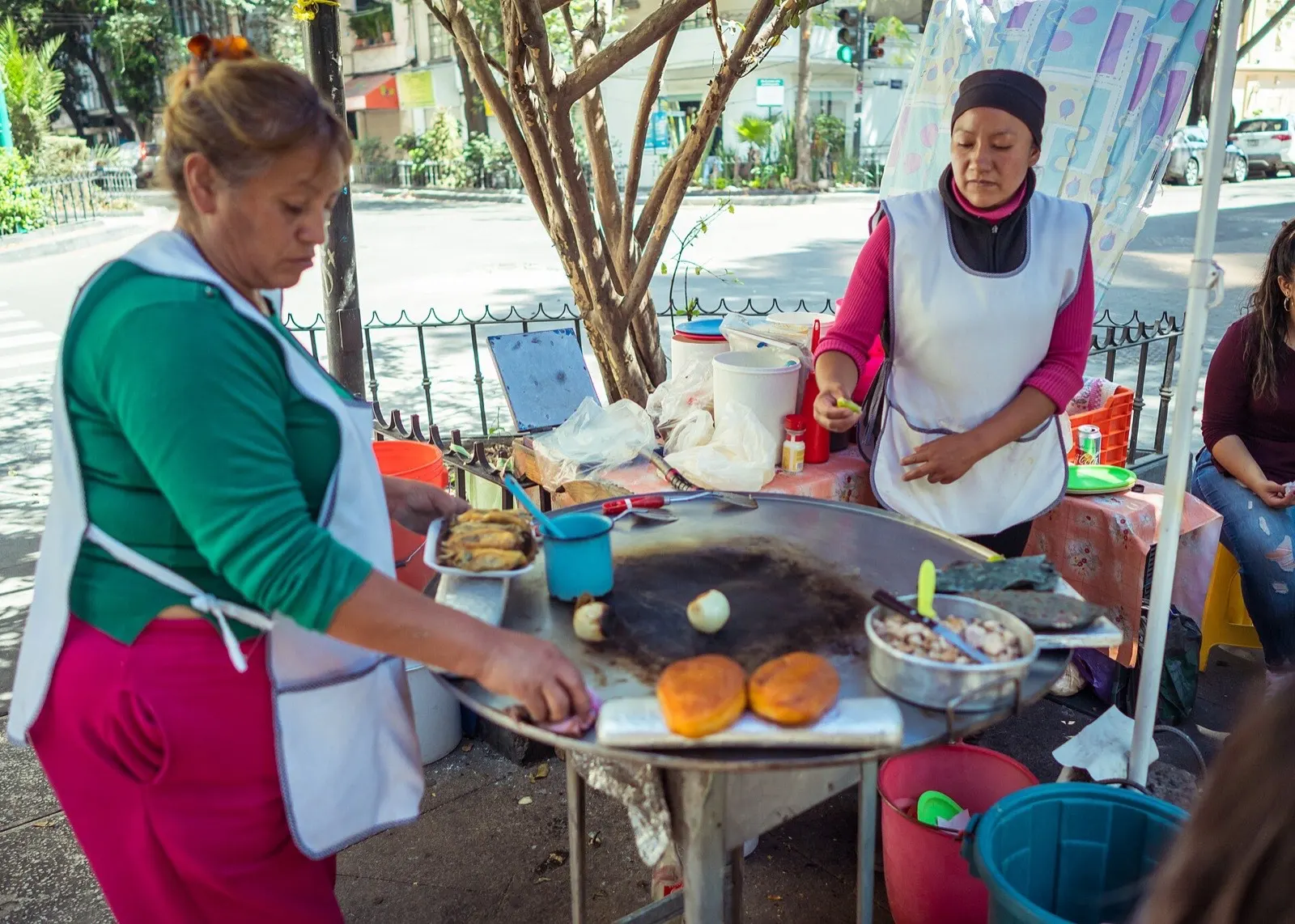
Mexico City has everything from 1-USD street tacos to Michelin-level tasting menus. Typical prices:
- Street food / fondas: 40–120 MXN (≈2–6 USD) per meal, for tacos, tortas, quesadillas, or a local menú del día.
- Inexpensive restaurant: 120–200 MXN (≈6–10 USD) for a basic sit-down meal.
- Mid-range restaurant for two: 600–1,200 MXN (≈30–60 USD) including drinks.
- Trendy brunch or dinner in Roma/Condesa: 300–600 MXN (≈15–30 USD) per person with coffee or cocktails.
If you eat most meals at local spots, you can eat out often on a modest budget. Brunch and cocktails at fashionable places several times a week will quickly bring your food bill close to that of a European capital.
Transportation: Metro, Uber, and bikes
Public transport
Mexico City’s public transport (the metro, Metrobus, buses, and new cable-car lines) is extremely cheap. Metro and Metrobus rides typically cost 0.30–0.50 USD per trip, so even frequent riders often spend only 20–50 USD per month on public transport.
One rechargeable smart card (Tarjeta de Movilidad Integrada) works across the different modes, which makes commuting simpler. Many nomads who live and work in central neighborhoods walk most of the time and only occasionally take the metro or buses.
Ride-hailing
Uber, Didi, and Cabify operate widely in CDMX and cost far less per ride than in North America or Western Europe. Inner-city rides often cost around 3–8 USD; longer cross-city rides, including to the airport, cost more but are still affordable by foreign standards.
Nomad guides generally suggest budgeting 50–100 USD per month for a mix of public transport and rideshares if you go out several times a week.
Bikes and scooters
Bike-sharing and scooters (such as the ECOBICI system and private operators) are another way to get around central CDMX. Subscriptions or pay-per-use pricing typically add only a small extra cost, often in the tens of dollars per month for frequent users.
The city has been adding bike lanes, especially along central corridors, though traffic still takes attention and experience.
Gyms, fitness, and lifestyle
Fitness costs
Mid-range gyms and chains usually charge the equivalent of 25–60 USD per month, depending on location and equipment. Boutique studios (yoga, CrossFit, pilates) in Roma/Condesa and Polanco can cost more but are generally still cheaper than in major US cities.
Some colivings and coworking spaces negotiate discounts with nearby gyms or run on-site classes, which lowers what long-stay nomads pay for fitness.
Entertainment and nightlife
What you spend on entertainment depends on whether you prefer quiet cultural activities or frequent nights out. Museums often charge only a few US dollars for entry and some have free days, and cinema tickets are cheaper than in most Western capitals.
Cocktails in hip Roma/Condesa bars usually run 150–250 MXN (≈8–13 USD), and imported craft beers are priced in line with that. Regular clubbing at upscale venues can easily add several hundred dollars a month to your budget; low-key bar outings and gatherings at home keep costs modest.
Healthcare and insurance
Private healthcare in Mexico is considerably cheaper than in the United States, but digital nomads are still advised to carry international health or travel insurance. Insurance brokers and expat resources often suggest budgeting 50–150 USD per month for decent coverage for a healthy adult, though the exact price depends heavily on age, coverage level, and provider.
Routine doctor visits, basic tests, and many medications cost relatively little out of pocket, which is why some nomads choose lower-premium plans that cover major emergencies only.
Sample monthly budgets for digital nomads in CDMX
These sample budgets show realistic ranges for a single digital nomad in 2025–2026, based on aggregated guides and indices. Adjust them for exchange rates and your own habits.
| Category | Lean nomad | Comfortable nomad | Upscale nomad | Notes |
|---|---|---|---|---|
| Rent | 500–700 USD | 800–1,200 USD | 1,500–2,200 USD | Shared or local 1-bed vs. 1-bed Roma/Condesa vs. high-end Polanco / large unit |
| Utilities & internet | 40–60 USD | 50–70 USD | 60–90 USD | Many flats include some utilities; climate keeps energy use moderate |
| Coworking | 0–80 USD | 130–200 USD | 200–250 USD | Home/cafés only vs. standard desk vs. premium brands |
| Food & groceries | 250–350 USD | 350–500 USD | 500–700 USD | Mostly home-cooked vs. mix vs. frequent dining at mid- to high-end places |
| Transport | 20–50 USD | 50–100 USD | 80–150 USD | Mainly metro/walking vs. regular Uber use vs. heavy ride-hailing |
| Leisure & fitness | 60–120 USD | 120–200 USD | 200–350 USD | Museums, gym, casual nights out vs. more frequent events and nightlife |
| Misc. (SIM, shopping) | 40–80 USD | 60–120 USD | 100–200 USD | Mobile data, household goods, occasional shopping |
| Estimated total | ~910–1,390 USD | ~1,560–2,390 USD | ~2,640–4,240 USD | Ranges synthesize common nomad guides; wide band for “upscale” reflects Polanco-level rent and going out often |
Independent nomad guides and cost-of-living sites broadly agree with these brackets, often citing 800–1,200 USD as a lower bound for a modest lifestyle and 1,500–2,200 USD for a comfortable, central one.
How CDMX compares to other cities
Compared with major global cities, Mexico City is still strong value for money. Cost-of-living indices show total consumer prices (excluding rent) much lower than in US hubs like Austin or Los Angeles, and rents often 30–40% lower on average (the exact gap depends on the index and date).
Within Mexico, CDMX costs more than many smaller cities and beach towns, but no other city in the country has a similar mix of job opportunities, international connections, gastronomy, and cultural life. Nomads who want the absolute cheapest base may prefer cities like Mérida or Oaxaca, but many choose CDMX because it has the best balance of affordability and lifestyle.
Budget tips for digital nomads in Mexico City
- Choose your colonia carefully. Living in Narvarte, Portales, or other nearby local neighborhoods can cut rent dramatically and still keeps you 10–20 minutes from Roma/Condesa by metro. StayWork CDMX has furnished monthly apartments in Roma Norte and Narvarte with fast fiber Wi‑Fi and a dedicated workspace included, so compare them against raw lease numbers before you decide.
- Book longer stays. Monthly stays on Airbnb usually come with substantial discounts, and negotiating off-platform with a trusted landlord after the first month can reduce rent further.
- Mix coworking with cafés. Use a coworking space only on heavy meeting days and work from home or cafés otherwise to keep your monthly membership cost down.
- Eat like a local. Markets, street food, and comidas corridas are excellent value and let you eat world-class food without a fine-dining budget.
- Watch the exchange rate. Swings in MXN against USD/EUR can noticeably change your effective cost of living from one month to the next.
Once your target budget and dates are clear, check Book Direct before checkout to compare live StayWork pricing with the platform totals.
Sources and further reading
Figures in this guide combine multiple public indices and nomad-focused write-ups; always confirm rents and prices locally before you sign a lease.
- Digital nomads in Mexico — visa, internet, costs, cities (Marimba’s Home)
- Mexico City digital nomad guide 2025 (Nomad Magazine)
- Mexico City: the complete digital nomad guide (Digital Nomad Lifestyle)
- Cost of living in Mexico City (Wise)
- Cost of living in Mexico City (Numbeo)
- Mexico City: cost of living, prices for rent & food (Livingcost)
- Cost of living in Mexico 2025 (Global Cost Data)
- Mexico digital nomad guide 2026 (Casa Basilico)
- Mexico City for digital nomads (Casa Basilico)
- What are rents like in Mexico City right now? (The Latin Vestor)
- Renting in Mexico City as an American (Wise)
- How to find the best coworking in Mexico City? (Holafly)
- Where to work in Mexico City: top coworking spaces (Rent Remote)
- Cost of living in Mexico (Pacific Prime)