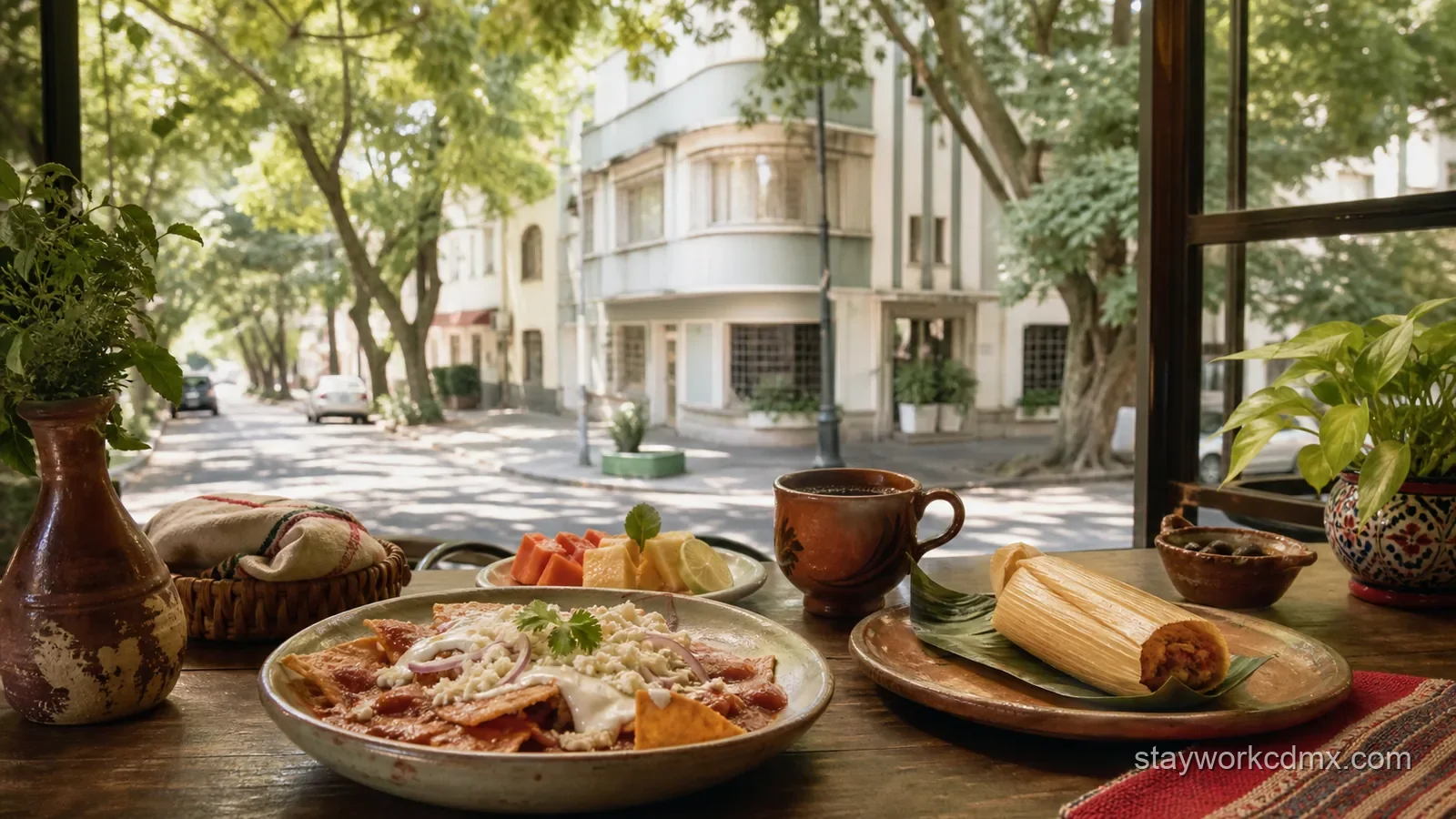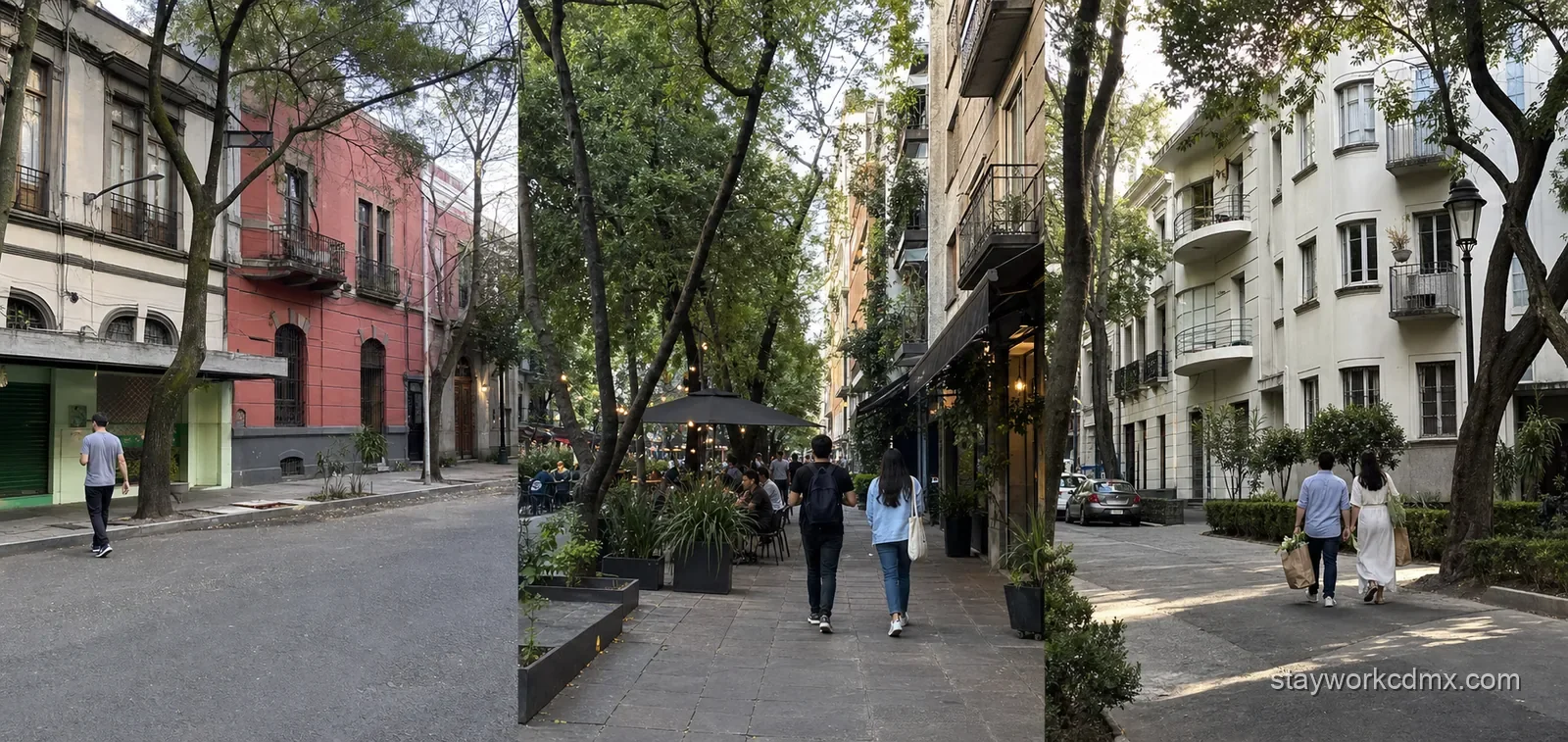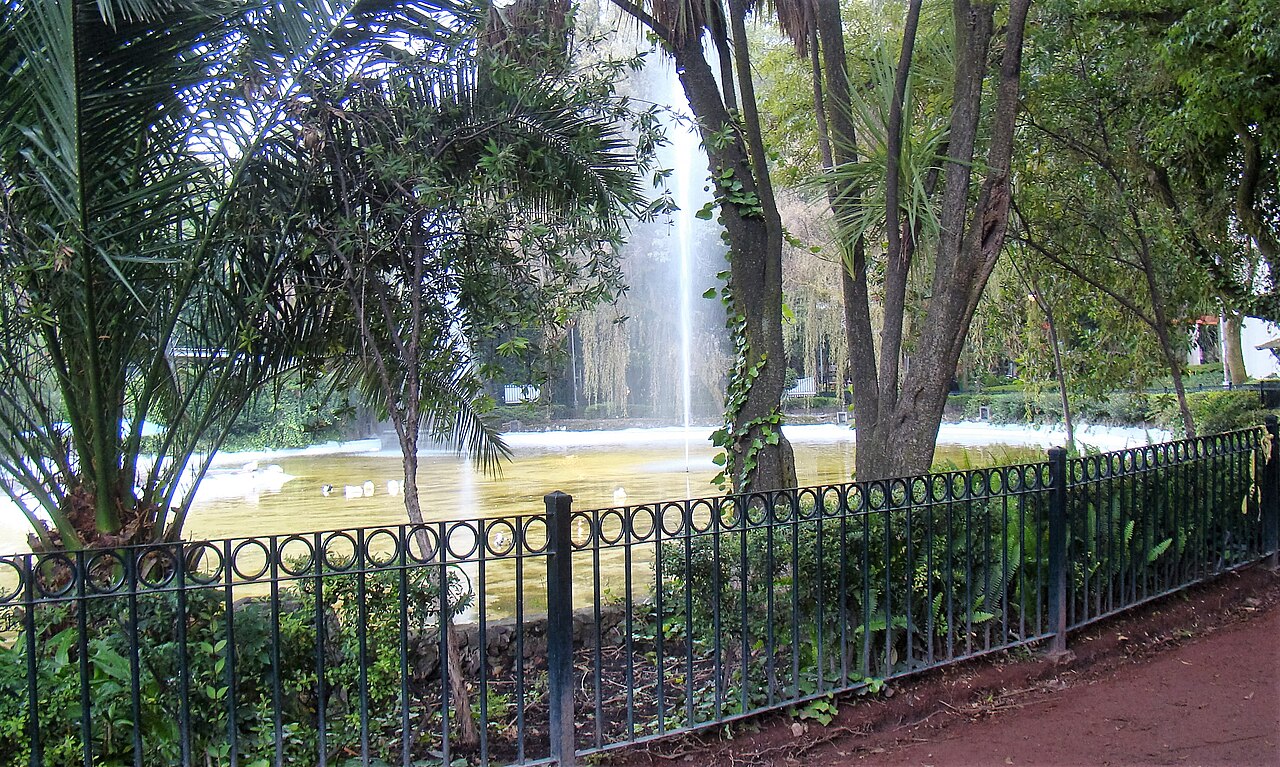
Condesa is a walking neighborhood with a transport network underneath it. For a weekend, the parks and cafés may be enough. For a month, you need to know which Line 9 station you will use, how the last block behaves with groceries or luggage, and whether the apartment’s entrance is easy to reach.
Condesa is a good long-stay base for guests who want parks, restaurants, cafés and a calmer residential feel while staying central. It is not uniformly flat, quiet or step-free. Start with Condesa for food lovers and compare Roma Norte vs Condesa for remote work before committing.
Quick answer
Is Condesa accessible for a 30+ night stay?
The answer in one table
Condesa transport and long-stay accessibility
| Decision | Condesa advantage | Main friction |
|---|---|---|
| Everyday errands | Parks, cafés, shops and restaurants close together | Crowded sidewalks and blocked curb cuts on popular streets |
| Metro | Patriotismo, Chilpancingo and Sevilla connections | Station entrance and transfer accessibility can vary |
| Metrobús | Insurgentes corridor for Reforma, Roma and south routes | Crowded platforms and busy crossings |
| Airport/luggage | Central position makes a planned rideshare practical | Building entrance and taxi stopping point must be verified |
| Long-stay work | Many outside-work backups | A café-rich area does not replace a real apartment workspace |
Transport spine: Line 9, Insurgentes and walking loops
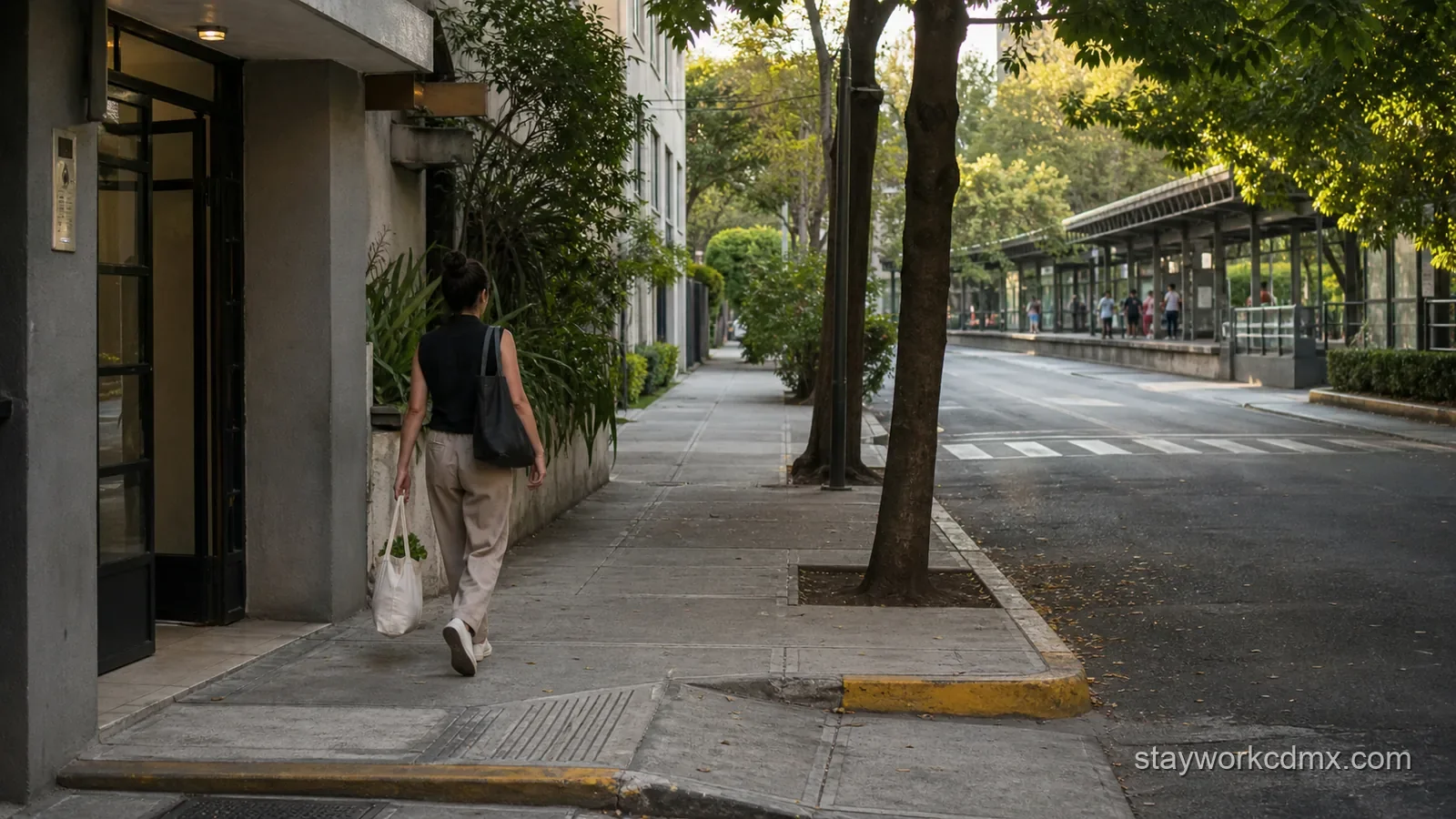
Line 9 is the most useful rail corridor for Condesa. Patriotismo connects toward Tacubaya and the eastern central network, and Chilpancingo serves the Roma/Condesa edge and the Centro Médico direction. Sevilla on Line 1 and the Insurgentes Metrobús also cover Reforma, Juárez and southbound routes. Metro costs MXN 5; Metrobús costs MXN 6 and allows the official same-direction transfers described on its payment page .
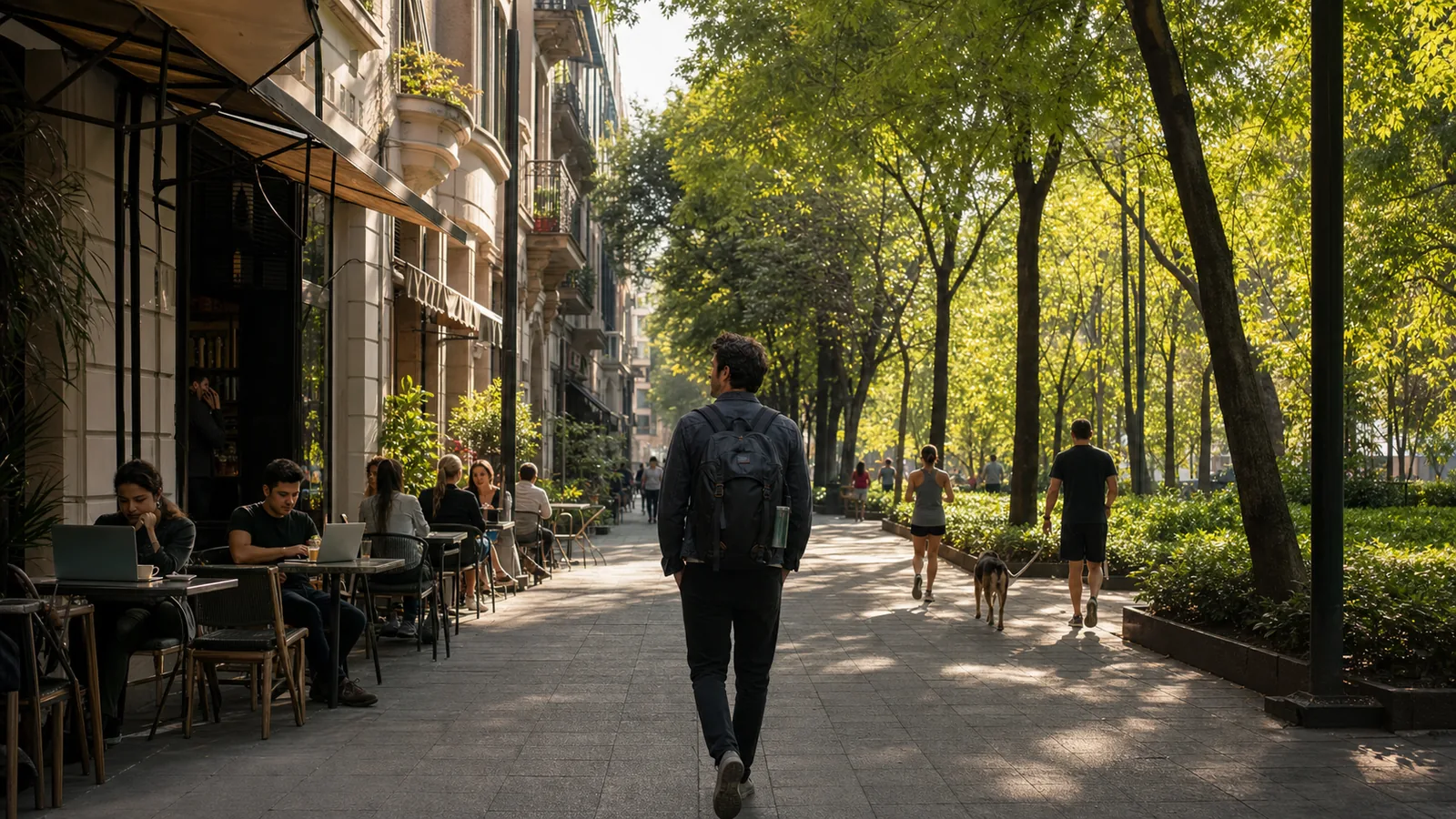
For a 30-night stay, walk for daily errands and use Line 9 for repeated meetings. A small rideshare reserve is useful for rain, mobility fatigue and late returns. Ecobici can help with short trips, but check the foreign-user plans before buying; a bike route does not solve access for everyone.
Accessibility: the pretty street test
Condesa’s trees and older sidewalks cause their own access problems. Roots can lift paving, café tables can narrow the route, cars can block curb ramps, and a busy weekend can make a clear path disappear. Walk the route from the exact building to Patriotismo or Chilpancingo at the time you expect to use it.
The official Metro accessibility list is the source of truth for current elevators and stair lifts, but equipment status changes. Ask station staff or check the live page before you travel. Then check the apartment: steps at the lobby, lift size, shower threshold, bed height and taxi drop-off.
Long-stay route patterns
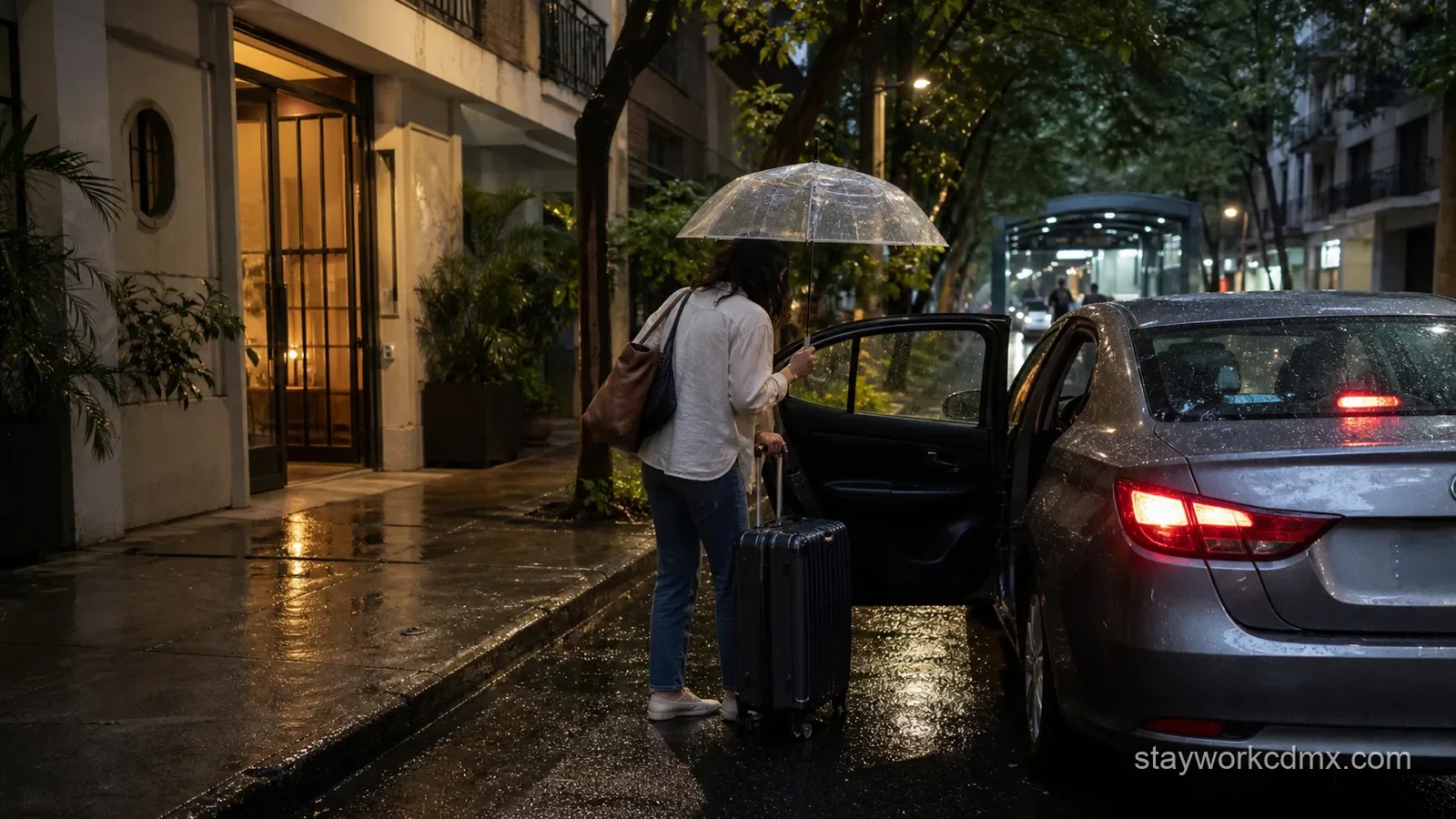
For a remote worker, Condesa is best when most work happens at home and transport covers a few planned trips. The cafés are a backup; they do not justify booking a weak apartment. Medical visitors will find Chilpancingo and Centro Médico useful, but shift-change crowds make the route harder. Park access can reduce a couple’s transport spending, but two people still need separate work zones.
If a guest uses a wheelchair or walker, prioritize a flat, quiet street even if it is farther from Parque México. Ask the operator for a video from curb to apartment, not just a photograph of the building lobby.
A realistic week in Condesa
Monday sets up the walking loop: groceries, pharmacy, park and station. Tuesday uses the apartment for important calls and a short café block. Wednesday is a Line 9 meeting day. Thursday is a planned Roma Norte or Reforma trip. Friday stays local because popular corridors become busier. Saturday combines market errands and one longer outing. Sunday checks the following week’s station and elevator status. Planned this way, the week keeps Condesa’s walkability and choice without making every day a crowd-management exercise.
Three door-to-door route tests
For the park-to-station test, walk from the apartment to the park, then continue to Patriotismo or Chilpancingo. Notice whether the route stays wide enough for a mobility aid, whether tree roots force you into the road, and whether restaurant furniture narrows the pavement. A pleasant Sunday walk is useful, but repeat it at weekday 08:30 and Friday 20:00.
The Insurgentes test is for work or meetings along Reforma or the southern corridor. Try a Metrobús route from the nearest practical stop. Check both directions and the crossing to the platform. A stop that is close on the map may require a long detour around a traffic island.
For the luggage test, ask a car to stop at the exact building entrance. Is there a step, a narrow gate, a doorman schedule or a long internal corridor? Then test the lift with the suitcase dimensions. Condesa’s older buildings can be charming and still be difficult on arrival day.
Cost, fatigue and the walkable premium
Condesa’s walkability can reduce daily transport spending, but it also attracts higher rents and busy blocks. Calculate the total for the whole month instead of a single Metro ticket. A calmer apartment two or three blocks farther from Parque México may save sleep, allow a better workspace and reduce the need to escape to cafés. For a couple, a lift and two work surfaces can be worth more than a famous address.
Keep a simple reserve for rain, late returns, mobility fatigue and station outages. Public transit is cheap; the time and physical effort around it are not always. A long stay should give you a normal day you can repeat without every trip becoming a test of endurance.
A realistic 30-night transport budget for one person looks like this:
| Line item | Monthly estimate (MXN) | Notes |
|---|---|---|
| Metro rides (~25 at MXN 5) | 125 | Line 9 for planned meetings; walking covers most days |
| Metrobús rides (~10 at MXN 6) | 60 | Insurgentes corridor toward Reforma and the south |
| Rideshare reserve | 800–1,500 | Rain, late social returns, mobility fatigue |
| Airport transfers (2) | 250–500 | Arrival and departure with bags |
| Total | ≈ 1,250–2,200 | Assumes a walking-first week with a strong apartment |
The rideshare line is larger than in more residential neighborhoods because Condesa evenings often end after dark on busy corridors, so most long-stay guests take a car home instead of making a late transfer. For the same math in a quieter base, the Del Valle monthly cost and routine guide itemizes a full remote-work month line by line.
A longer-stay accessibility protocol
On the first day, photograph the building entrance, lift controls and the easiest crossing. Save the Metro accessibility page for the station you plan to use. Travel once at the actual work-hour rush and once after dark. Check platform space, the gap between train and platform, lighting and whether staff are available.
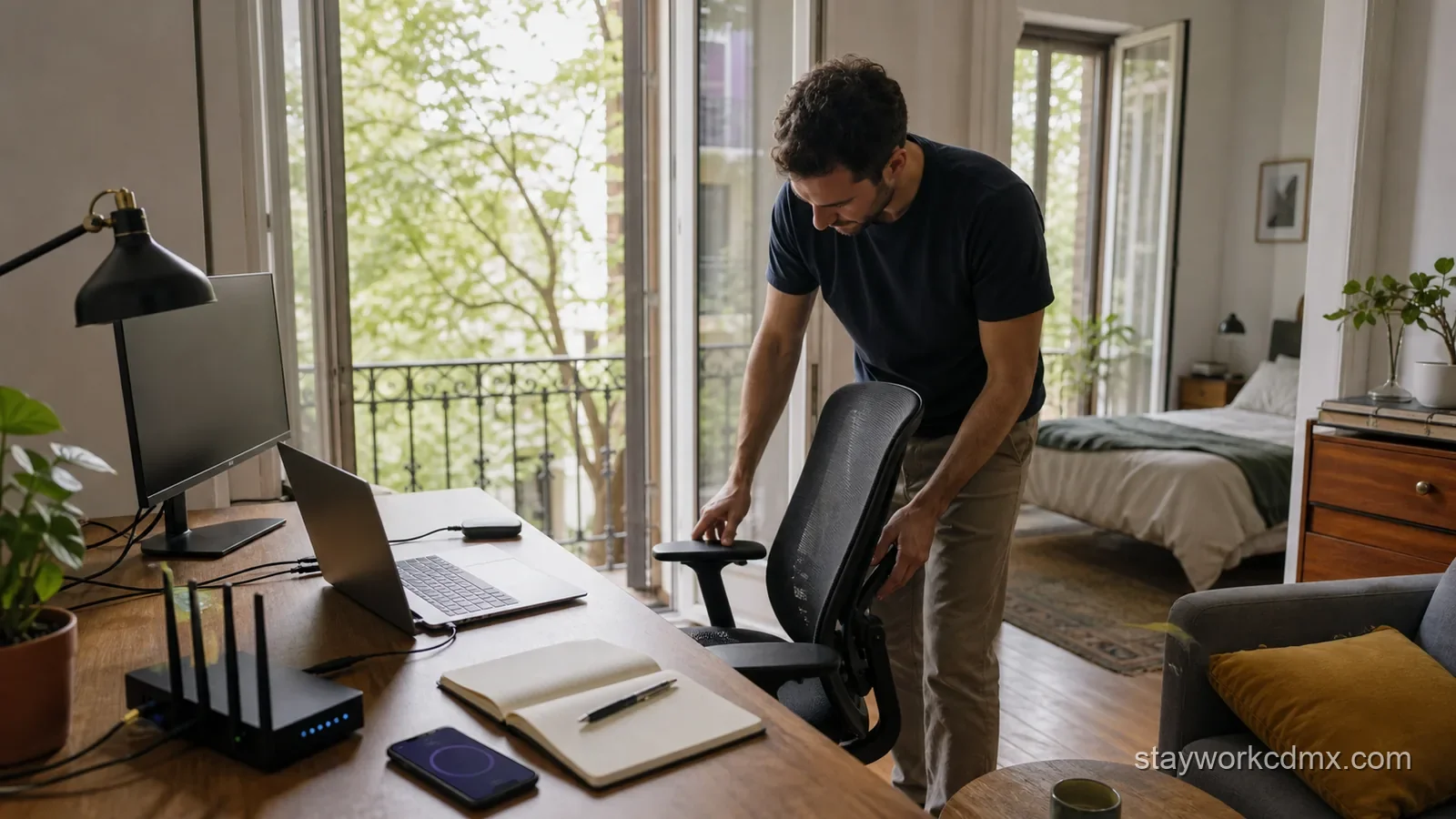
If the guest uses a walker or wheelchair, ask the host for a route video and an exact measurement of the narrowest doorway. Confirm whether the bathroom shower has a threshold and whether a taxi can stop without leaving the guest in traffic. Condesa can work well, but only when these details are answered before payment.
Who should choose Condesa for a month?
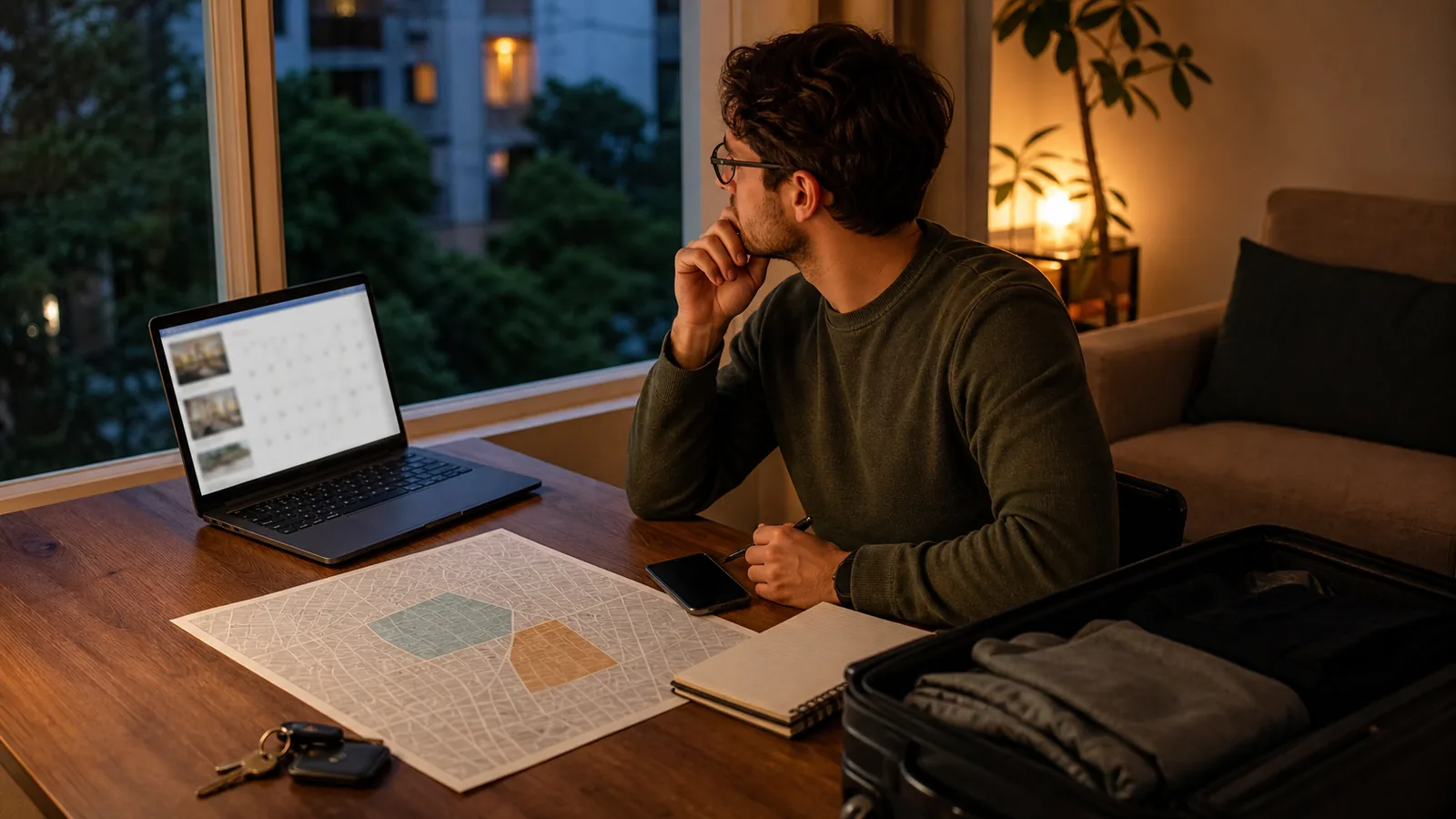
Choose Condesa when parks, daily walking and social access are part of what you want from a long stay. It is especially good for guests who work from a strong apartment and use cafés as occasional backups. Choose Roma Norte when you want denser transit and more shops to fall back on. The Roma Norte vs Condesa monthly-stay comparison weighs that trade-off on noise, cost and cafés. Choose Narvarte or Del Valle when quiet, larger space and a more residential last mile matter more: the Narvarte guide for remote workers walks through an actual workweek in that value corridor, and Narvarte furnished monthly apartments typically rent for MXN 8,000–14,000 less per month than comparable Condesa units. For the citywide shortlist, see the ranked best neighborhoods in Mexico City for remote workers in 2026 .
Condesa route planning for a full month
Start with the destinations you will repeat before the attractions you hope to visit. Mark the apartment, the nearest station, the supermarket, a pharmacy, a reliable café and the place you will go after a late meeting. Then test each route with walking directions set to the actual departure hour. Condesa’s green streets are pleasant in daylight; weekend foot traffic and parked cars can change the accessible path.
For a remote worker, the most sustainable pattern is the apartment for important calls, a short café block for variety and Line 9 for planned cross-city meetings. A patient family or older traveler should plan a direct taxi to the building and not assume that a busy station transfer will be manageable after a long day. Couples should check that both people can leave or return without blocking the only lift or narrow entrance.
Keep a written backup plan: one station with a working accessible route, one taxi pickup point and one quiet indoor place to wait during rain. That plan keeps Condesa’s walkability from being fragile.
Transport log for the first ten days
Write down the real time and effort for each repeated journey: apartment to station, station to destination, and destination back to the apartment. Note stairs, crowds, curb ramps, traffic and where you had to stop. Do this once in the morning and once in the evening. The log turns a beautiful listing into evidence about the month you will actually live.
If an elevator is out, ask station staff for the alternate entrance and ask the apartment operator whether a temporary taxi or building solution is available. Keep the operator’s contact, a saved taxi pickup pin and a little capacity for the backup. Condesa is easy when options are planned and harder when you improvise each one after a long day.
For a 30+ night booking, ask for the written agreement to mention building access, lift repairs and support for an accessibility-related change. A host does not control the Metro, but they can control clear instructions, a usable entrance and a prompt response when the first route does not work.
Booking questions
- Is the building on a flat, quiet street or a busy café/restaurant corridor?
- Which Line 9 or Line 1 entrance is actually practical?
- Are curb cuts and sidewalks clear on the final block?
- Does the lift reach the apartment without lobby steps?
- Can a taxi stop at the door with luggage or a mobility aid?
- Is the bedroom protected from weekend street noise?
- What happens if a station lift, building lift or internet connection fails?
- What is the complete monthly total including cleaning, utilities and parking?
Use the monthly apartment checklist and then compare live monthly apartments .
When the route changes
Condesa’s walking routes can change quickly with rain, weekend crowds, construction or street furniture. Save a second crossing, a backup station and a taxi pickup point offline. If you depend on an elevator or step-free path, check the official status before a time-sensitive journey and allow extra minutes for an alternate entrance.
The neighborhood is still a good long-stay choice when you weigh the apartment, route and backup together. Repeatable access matters more than the parks and cafés.
A seven-day route diary
Monday maps the grocery and park loop. Tuesday protects home calls and uses a short café block. Wednesday takes Line 9 for the main meeting. Thursday tests Insurgentes or a backup station. Friday keeps the return local while the neighborhood is busiest. Saturday combines errands and one longer walk. Sunday checks the coming week’s lift status, weather and taxi reserve. The routine keeps Condesa enjoyable without turning every day into a crowd or crossing experiment.
Turn a pleasant neighborhood into a repeatable month
Condesa’s appeal can hide the amount of route planning a 30-night stay needs. On the first afternoon, walk the exact path from the apartment to the park, grocery shop, pharmacy and station you expect to use. Do it with the shoes, bag or mobility aid you will carry later. Note tree roots, restaurant furniture, parked cars, curb ramps and the crossing that feels safest.
Keep two versions of every important journey. The everyday version can be a walk to Chilpancingo or Patriotismo followed by Line 9. The low-effort version can be a taxi to the destination entrance when it rains, a lift is out or the day has run long. Save the building pin and a recognizable landmark so a driver does not leave you on the wrong side of a busy avenue. Include the host’s number in the same offline note.
The apartment is part of your transport plan: a reliable desk, quiet bedroom, kitchen and laundry let you group errands and stay home for important calls. If a listing has a glamorous address but a poor work surface, the guest may spend the month buying café seats and rides. Ask for current photos, lift details and a clear response plan before paying instead of solving those problems after arrival.
Review the route after the first week. If the normal path creates more fatigue than expected, move meetings, use the backup or ask whether another unit is available. Condesa works for guests who manage access as a routine and is hard on anyone who assumes a famous park or central label answers every last-mile question.
Final verdict
Condesa is a strong long-stay choice for a guest who can walk and wants parks, cafés and central routes. Accessibility varies street by street, and the neighborhood name does not guarantee it. The best unit is slightly calmer, step-free and close to the route you repeat, which is not necessarily the one beside the most famous park entrance.
For monthly stays