Updated August 2026: the World Cup has come and gone, and the city we described below mid-renovation is now the freshly paved version we predicted. We’ve kept the original guide intact as a record of the run-up and added a new section at the end, Mexico City after the 2026 World Cup , on what changed, what monthly stays cost now, and why late 2026 is the best booking window in years.
We live in Roma Norte and walk these streets every day. When we first wrote this in March 2026, Mexico City was in the middle of tearing itself apart to look good for the World Cup.
If you’re coming to CDMX for remote work or just to travel (or came for the tournament), here’s what the run-up looked like on the ground, followed by an update on where the city stands now.
The streets are a construction zone
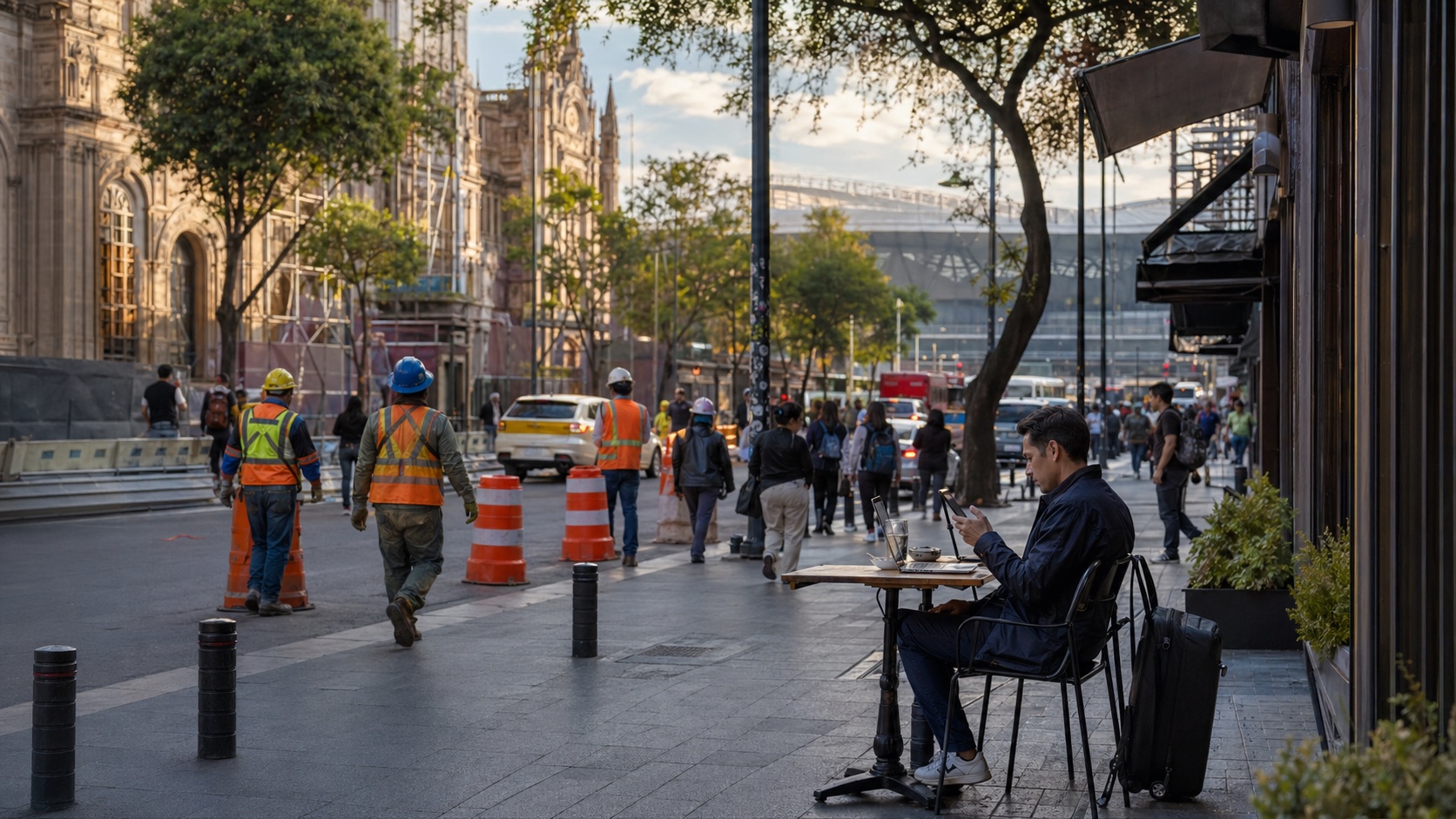
Walk around Roma Norte right now and you’ll see it immediately: sidewalks ripped open, exposed pipes, orange barriers, dust everywhere. The city is rebuilding and repaving streets and upgrading infrastructure across the central neighborhoods ahead of the FIFA World Cup kicking off in June.
Condesa, Juárez, the Centro Histórico, and the roads leading to Estadio Azteca are getting work done at the same time as Roma Norte, so the city feels like it’s under renovation from every angle.
If you have allergies or sensitive lungs, bring a mask for the dust when walking around during the day. Some blocks are worse than others because the construction moves section by section: one week your street is fine and the next week it’s a pit.
If you can, come after the World Cup month (July onwards). By then the construction should be mostly done and the streets will be freshly paved, so you get the upgraded version of the city without the chaos of building it.
If you’re coming during the construction period (now through June), don’t let it stop you. The city still works: restaurants and cafés are open, the Metro runs, and the neighborhoods are busy. You’ll just need to dodge some orange cones and put up with dustier streets than usual.
Safety: better than you think
Mexico City feels safe, which might surprise first-time visitors.
We’ve lived here for over four years and hosted 316+ guests from all over the world. The most common thing our guests say after their first day is: “I expected it to feel more dangerous than this.”
The central neighborhoods (Roma Norte, Condesa, Narvarte, Juárez, Polanco) are walkable and well lit, with police presence, security cameras, and people on the streets from morning until late at night. It feels more like Barcelona or Buenos Aires than what most people imagine when they think “Mexico City.”
Our strong recommendation is to stay in Roma Norte, Condesa, or Narvarte. These neighborhoods are safe and walkable, with everything a remote worker or traveler needs within a few blocks: cafés, restaurants, grocery stores, coworking spaces, parks, and excellent Metro access. You don’t need a car or a taxi for everything; you walk.
That said, common sense applies everywhere:
- Don’t flash expensive electronics on empty streets late at night
- Use Uber or Didi instead of hailing random taxis (especially at night)
- Keep your phone in your front pocket in crowded Metro cars
- Stay in the neighborhoods you know, especially if you’re new
Most of our guests feel safer here than they expected. The vibe is relaxed, people are friendly, and the neighborhoods where digital nomads and travelers stay are comfortable.
Watch out for protests and street closures
No travel guide mentions this, but you’ll run into it if you’re here for more than a few days: teacher union demonstrations regularly block major streets in CDMX.
Right now (March 2026), the CNTE (teachers’ union from several states) has been holding protests near the city center. When they demonstrate, they block transit on major avenues, and the ripple effect is brutal.
We’ve had several days recently where Paseo de la Reforma, one of the city’s main arteries, was completely gridlocked because protesters were blocking intersections. If you have a meeting, a flight, or anywhere you need to be on time, check the news that morning.
Practical tips for dealing with protests:
- Follow @ABORDONMX or @LOSMOCHILEROS_ on X/Twitter for real-time traffic and protest alerts in CDMX
- Google Maps usually updates traffic quickly when major roads are blocked
- If Reforma is blocked, everything between Centro and Chapultepec will be slow, so plan another route or wait it out at a café
- When streets are blocked, take the Metro: it runs underground and isn’t affected by surface protests
- These protests are peaceful, so you’re not in danger, just stuck in traffic
Protests are part of daily life in Mexico City, and locals are used to them. Once you learn to check in the morning, you adjust quickly.
If you’re flying in or out, traffic to the airport can be hit hardest on protest days. Our AICM airport transportation guide covers X accounts, embeds, and day-of tips.
What this means for digital nomads and remote workers
If you’re coming to CDMX to work remotely, here’s the short version.
The good:
- The city is safe in the central neighborhoods. We walk home at midnight regularly.
- Wi-Fi in apartments and cafés is still fast and reliable.
- The cost of living is still excellent for anyone earning in USD or EUR.
- The food, culture, and social scene are as good as everyone says.
- The city will look amazing once the World Cup renovations are done.
The temporary inconveniences:
- Street construction makes some sidewalks dusty and noisy during the day.
- The airport (AICM) is also under major renovation, covered in our AICM guide .
- Occasional protest-related traffic jams on Reforma and nearby avenues.
- Some streets may have detours or temporary closures in your neighborhood.
None of these are dealbreakers; they’re inconveniences that last a few months. Underneath them, the city is still one of the best places in the world for remote workers: affordable, walkable, full of culture, and very welcoming to foreigners. If you are planning a work stay around the tournament window, start with digital nomad apartments in CDMX to compare neighborhoods, workspace setups, and monthly pricing.
Best neighborhoods to stay (and why)
Roma Norte
Roma Norte is the center of the digital nomad scene, with art deco architecture, the highest café density in the city, and everything within walking distance. Our Roma Norte loft is here, a short walk from the best coffee shops in the neighborhood, covered in our Roma Norte coffee guide . For a full comparison with its greener neighbor, see Roma Norte vs Condesa for a monthly stay , and for pricing and building types, browse Roma Norte monthly stays . Some streets have construction, but the neighborhood is fully operational.
Condesa
Condesa sits next to Roma Norte and is slightly calmer, greener, more residential, and a bit more expensive. Parque México is beautiful for morning runs. It’s a good fit for people who want a quieter base.
Narvarte
Narvarte is our second neighborhood: calmer, more local, and less touristy, near the hospital district and Parque Delta, with excellent Metro access. It’s significantly cheaper than Roma Norte or Condesa, which makes it great for longer stays where you want to save money without sacrificing comfort. See our Narvarte furnished monthly apartments and the full Narvarte guide for remote workers for street-level detail.
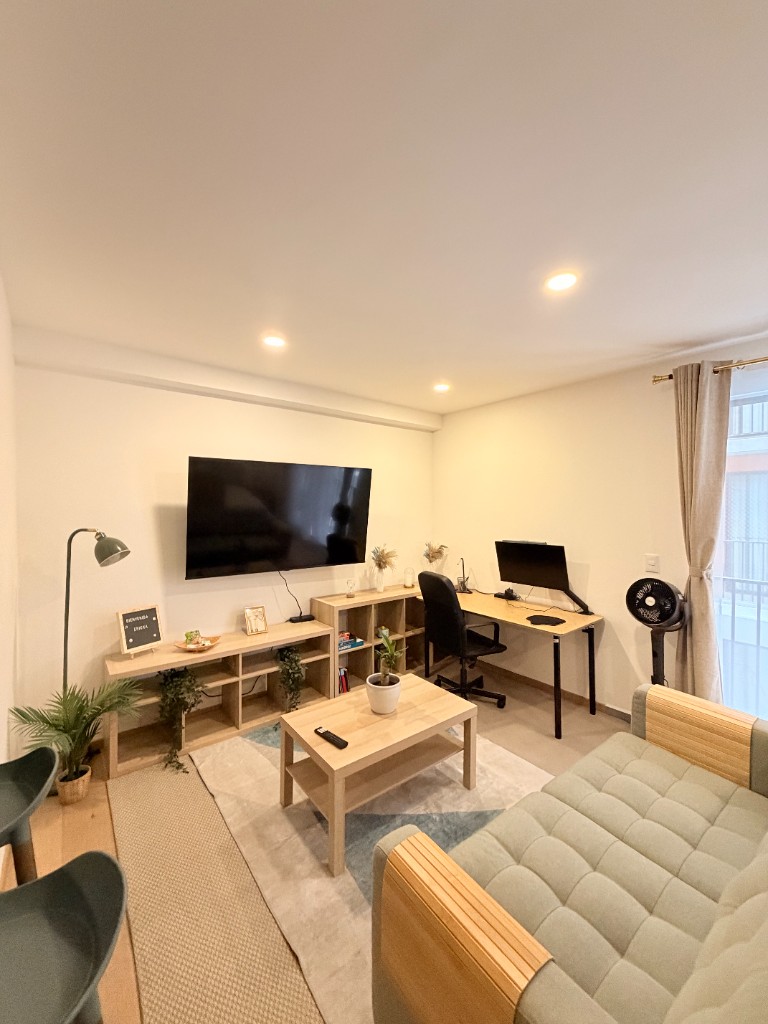
Booking a base for the World Cup or remote work? Our Roma Norte loft is set up for serious Wi‑Fi and a proper desk; we also list calmer Narvarte apartments with great Metro access. We’re the same hosts who wrote this guide.
→ See our Roma Norte loft on StayWork CDMX · → Browse all StayWork listings
Where NOT to stay
Tepito, Doctores (parts of it), La Merced late at night, and areas far from Metro lines if you don’t have a car. Stick to the neighborhoods above and you’ll have a great experience.
The World Cup timeline
Here’s the timeline as we called it in March. It played out almost exactly this way:
March through May 2026: Peak construction, with streets being rebuilt, the airport under renovation, and dust and noise as the city hustled to get everything ready.
June 2026: World Cup begins (June 11) and construction pauses. The city was packed with fans and prices spiked. It was amazing to experience but not ideal for quiet remote work.
July 2026 onwards: The sweet spot, with construction mostly done, World Cup crowds gone, and freshly renovated streets and infrastructure. If you can time your visit, aim for this.
Mexico City after the 2026 World Cup: what actually changed
We wrote everything above in March, mid-renovation, betting that the post-tournament city would be worth the wait. Writing now from Roma Norte in August 2026: it was.
The construction is done where it matters. The sidewalks that were open trenches in March are repaved, and the orange barriers along Álvaro Obregón and through Juárez are gone. The central neighborhoods came out of the renovation looking better than they have in years, with new pavement, repaired lighting, and cleaner public spaces. You can leave the dust mask at home.
The crowds left in July. June was electric and exhausting, with packed restaurants, surge-priced rides, and fan zones everywhere. By mid-July the tournament wave had moved on, and by August the city had settled back into its normal rhythm: busy cafés on weekday mornings, walkable evenings, and apartments that are available again.
Prices came back down, which matters most if you’re planning a work stay. Nightly rates in Roma Norte and Condesa spiked hard around the tournament, and monthly pricing has now eased back to its normal 2026 range:
| Neighborhood | Furnished studio / 1BR (monthly) | Post-World Cup notes |
|---|---|---|
| Narvarte | $22,000–$32,000 MXN | Barely spiked during the tournament; best value now |
| Del Valle | $23,000–$34,000 MXN | Quiet, residential, unaffected by fan-zone traffic |
| Juárez | $26,000–$38,000 MXN | Central, benefited most from street renovations |
| Roma Norte | $28,000–$42,000 MXN | Back to normal range after June peaks |
| Condesa | $30,000–$46,000 MXN | Parks and streetscapes freshly restored |
For a full cost breakdown with utilities, coworking, and food budgets, see our furnished monthly apartment cost guide for 2026 . If you’re comparing quieter, better-value bases against the café core, Del Valle is the neighborhood most of our long-stay guests underestimate; see Del Valle’s monthly costs and remote-work routine .
If you skipped the construction period on our advice, the window we told you to wait for is open now. Late 2026 gives you the renovated city, normal pricing, mild weather through the fall, and none of the tournament chaos. To choose a base, start with our ranked guide to the best neighborhoods in Mexico City for remote workers in 2026 , which reflects the post-World Cup city.
Planning your CDMX stay? Our apartments in Roma Norte and Narvarte are set up for remote workers, with fast Wi-Fi, a dedicated workspace, self check-in, and monthly discounts. We’ll help you navigate the construction, the airport, and everything else.