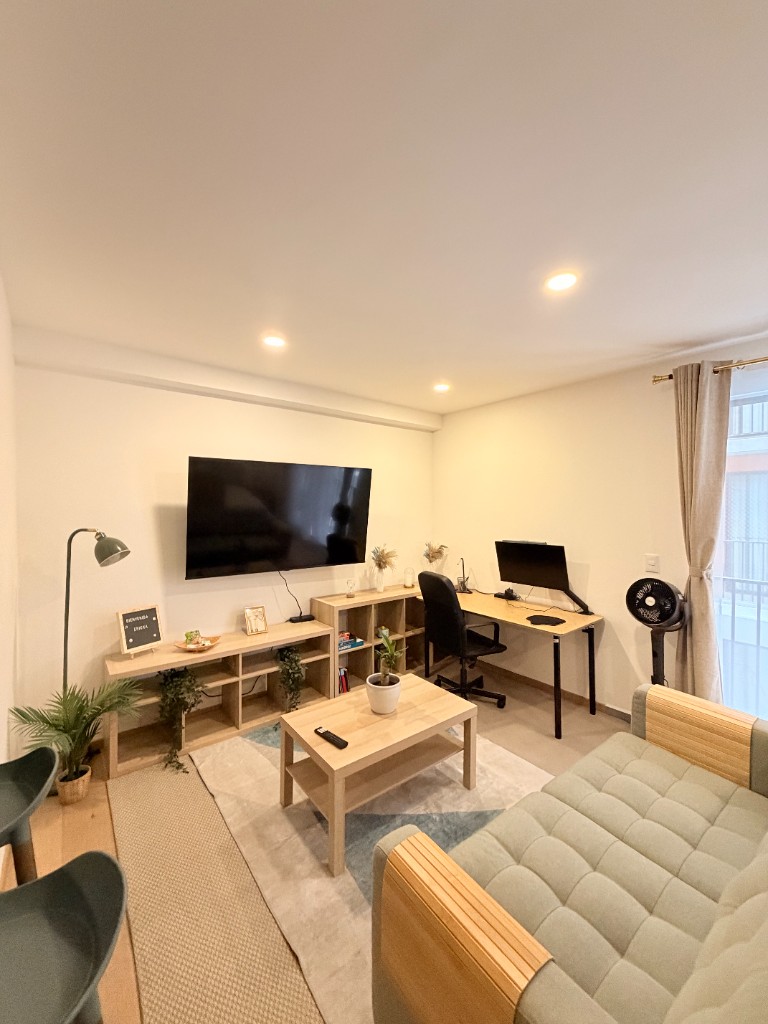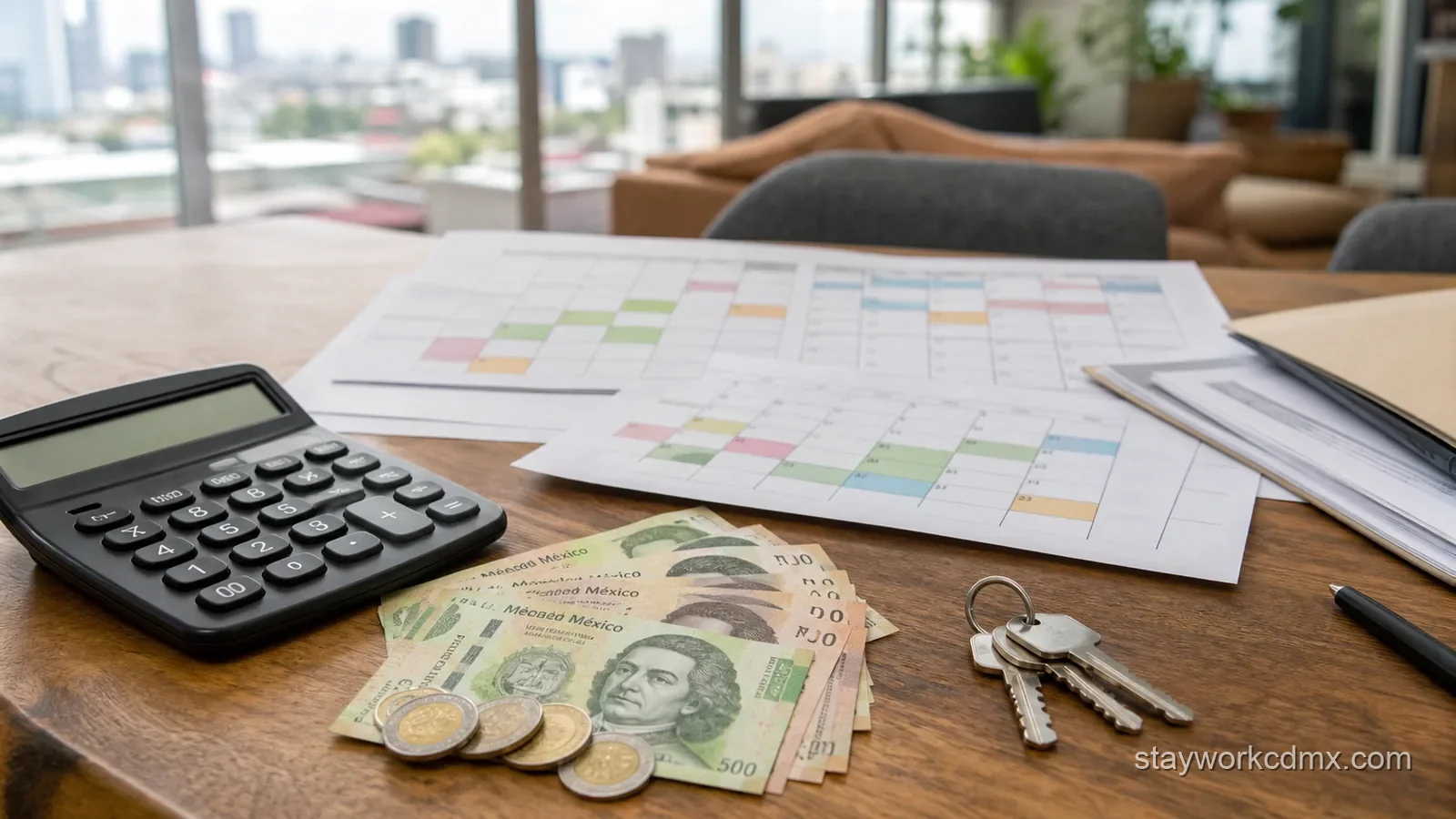
Choosing among the best neighborhoods for vacation rentals in Mexico City matters more than choosing the apartment itself. In the right colonia everything is walkable, with cafés on every corner and a safe walk home after dinner. In the wrong one you spend the trip in traffic wishing you were somewhere else.
We’ve hosted over 300 guests across central CDMX, and the same six neighborhoods come up again and again. This guide covers who each one suits, what it costs per night in 2026, and when to book. For the booking process, seasonality, and hotel-versus-rental, start at the hub: Mexico City vacation rentals .
The best neighborhoods for vacation rentals in Mexico City, at a glance
| Neighborhood | Best for | Vibe | 1BR per night |
|---|---|---|---|
| Roma Norte | First-timers, food, nightlife | Leafy, café-dense, social | $1,600–$3,200 MXN |
| Condesa | Couples, families, parks | Calm, green, residential-chic | $1,700–$3,400 MXN |
| Juárez | Nightlife, central base | Buzzy, mixed, up-and-coming | $1,300–$2,600 MXN |
| Polanco | Luxury, upscale shopping | Polished, quiet, expensive | $2,400–$5,000 MXN |
| Coyoacán | Families, culture, slow pace | Colonial, artsy, village-like | $1,200–$2,400 MXN |
| Centro Histórico | History, budget, transit | Grand, busy, historic | $900–$2,000 MXN |
Prices are 2026 planning ranges for a furnished one-bedroom before platform service fees, which typically add another 15–20%. Everything moves with the season; see the cost and timing sections below.
Roma Norte vs Condesa: the two best bets for a vacation rental
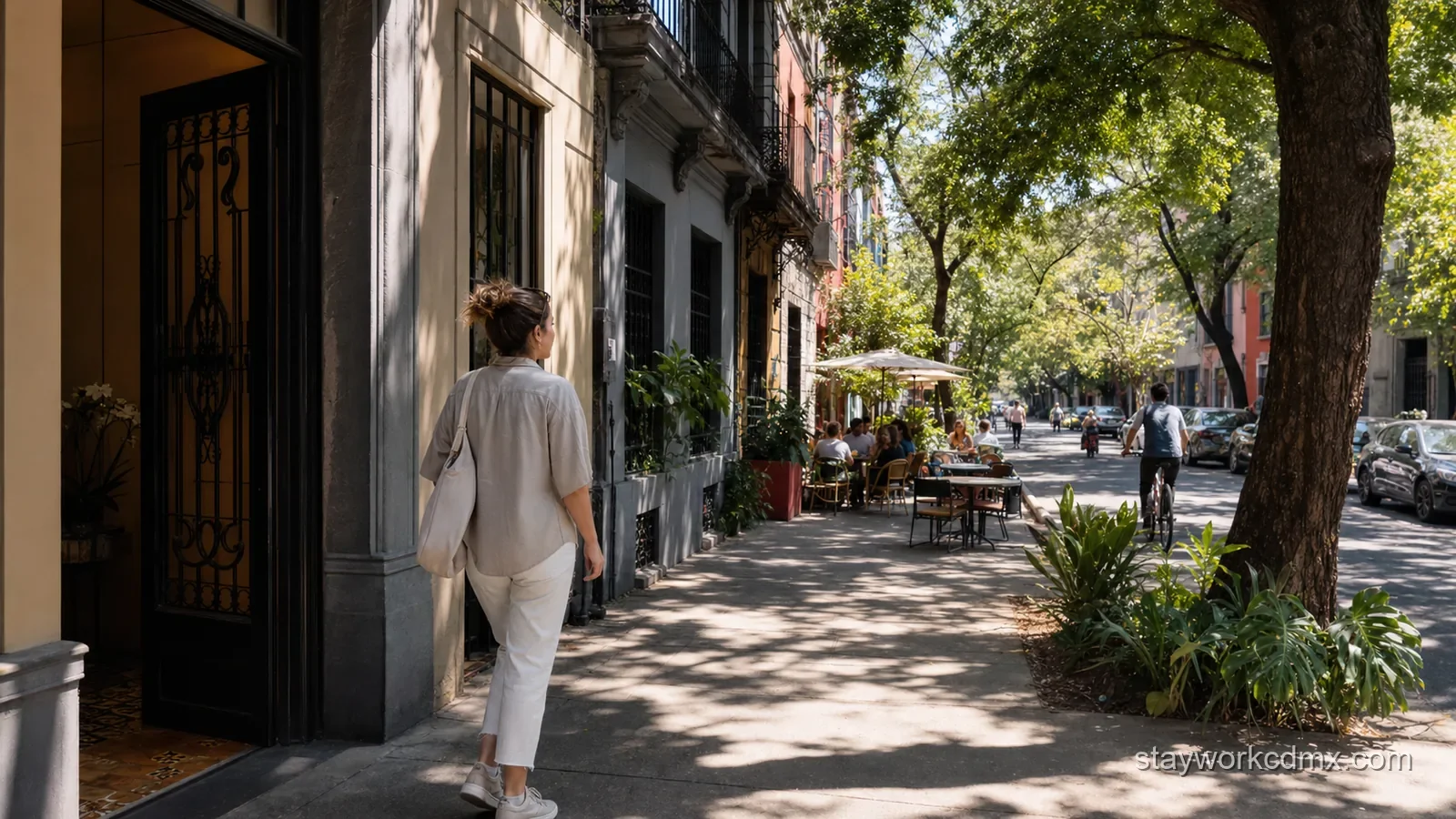
Both are safe and walkable, with plenty of furnished apartments. Roma Norte wins on food and nightlife and draws a slightly younger crowd; Condesa is calmer and greener and suits couples. For vacation rentals specifically, Roma Norte listings turn over faster and command a small premium, while Condesa has less street noise and better parks for longer stays.
Roma Norte — the default first choice
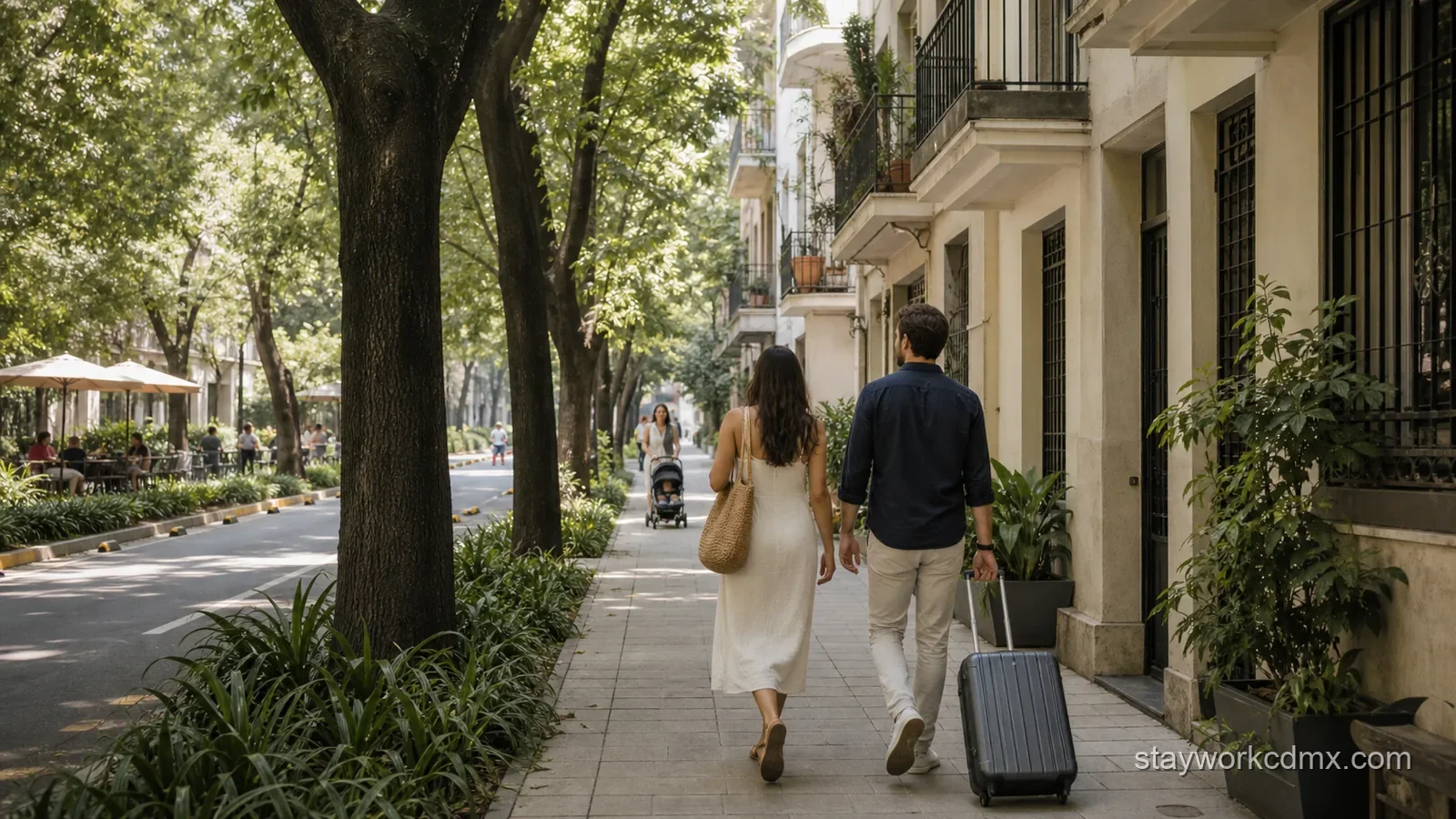
If you don’t know where to stay, stay here. Roma Norte packs a hundred restaurants, cafés, and coworkings into a walkable grid around Orizaba, Medellín, and Álvaro Obregón, with Parque México and Parque España minutes away. Transit is good: Metro Insurgentes on Línea 1, Metrobús along Álvaro Obregón, and Reforma at the north edge for the airport run.
Best for: first-timers, food-focused travelers, remote workers, anyone who wants the city at their doorstep. Watch for: weekend noise along Insurgentes and Álvaro Obregón; Friday and Saturday nights run loud past midnight. Pick a side street if you’re a light sleeper. Safety: among the safest, most-walked areas in the city, day and night. Price: $1,600–$3,200 MXN per night for a furnished one-bedroom; studios start nearer $1,200 MXN and larger two-bedrooms run $2,600–$4,500 MXN. Getting around: Metro Insurgentes and Metrobús put Reforma, Condesa, and Juárez within a short ride, and an Uber to the airport is straightforward outside rush hour.
For more on short stays here, see short-term rentals in Roma Norte, Mexico City .
Condesa — calmer, greener, couple-friendly
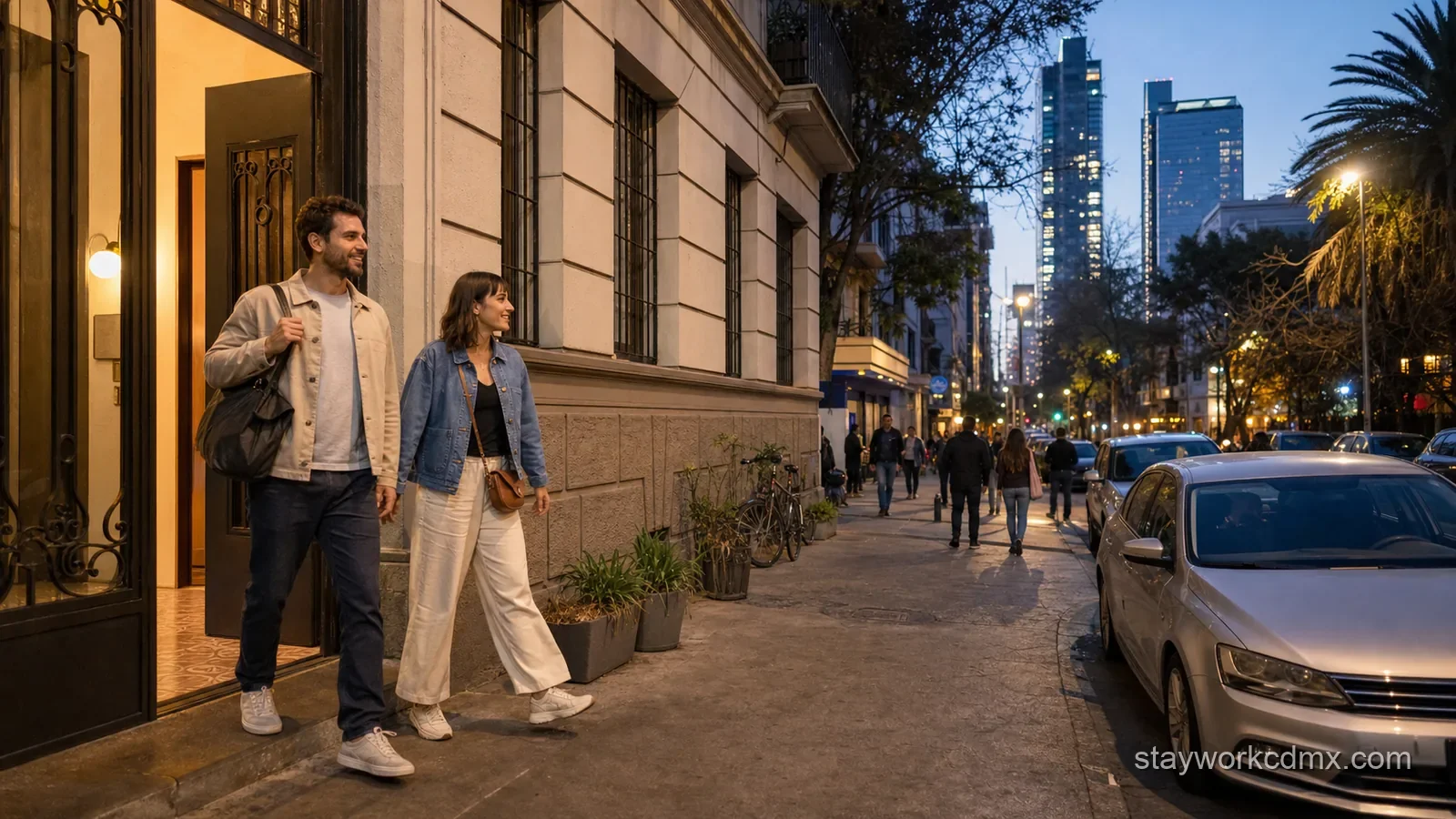
Condesa sits right beside Roma and shares its café culture, but the pace is a notch slower and the streets are leafier, with Art Deco buildings wrapped around Parque México and Parque España. It’s the pick for couples and families who want walkable restaurants without the weekend roar.
Best for: couples, families, park lovers, longer relaxed stays. Watch for: slightly higher prices than Roma for comparable units; nightlife is present but gentler. Safety: very safe and residential; easy walking after dark. Price: $1,700–$3,400 MXN per night for a one-bedroom, a small premium over Roma Norte for comparable space because of the parks. Good to know: it borders Roma, so you get much of Roma’s food scene while sleeping somewhere quieter. It’s a common pick for a second CDMX trip.
Juárez — central, buzzy, well-priced
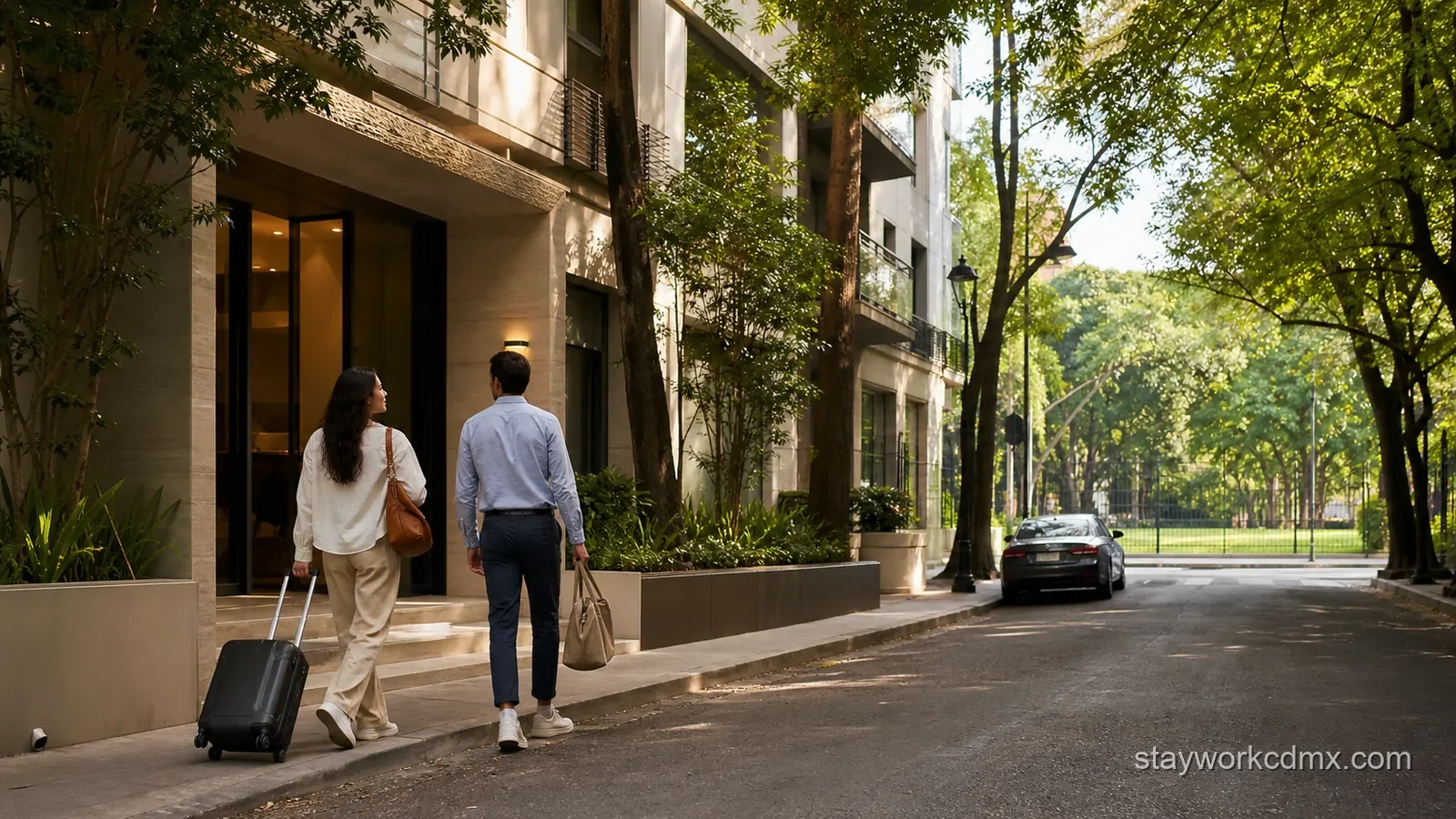
Wedged between Reforma and Roma, Juárez (including the Zona Rosa edge) has become a strong mid-priced base: extremely central, with quick access to everything and a lively bar and restaurant scene. It’s less polished than Roma but often better value.
Best for: nightlife, a central launchpad, travelers who want energy over quiet. Watch for: the Zona Rosa stretch is busy and uneven block to block; check the exact address. Safety: good in the core, with normal big-city awareness around the busiest nightlife blocks. Price: $1,300–$2,600 MXN per night for a one-bedroom, typically 15–25% below Roma Norte for a comparable apartment. It is the best value among the walkable, café-dense neighborhoods.
Polanco — upscale and quiet
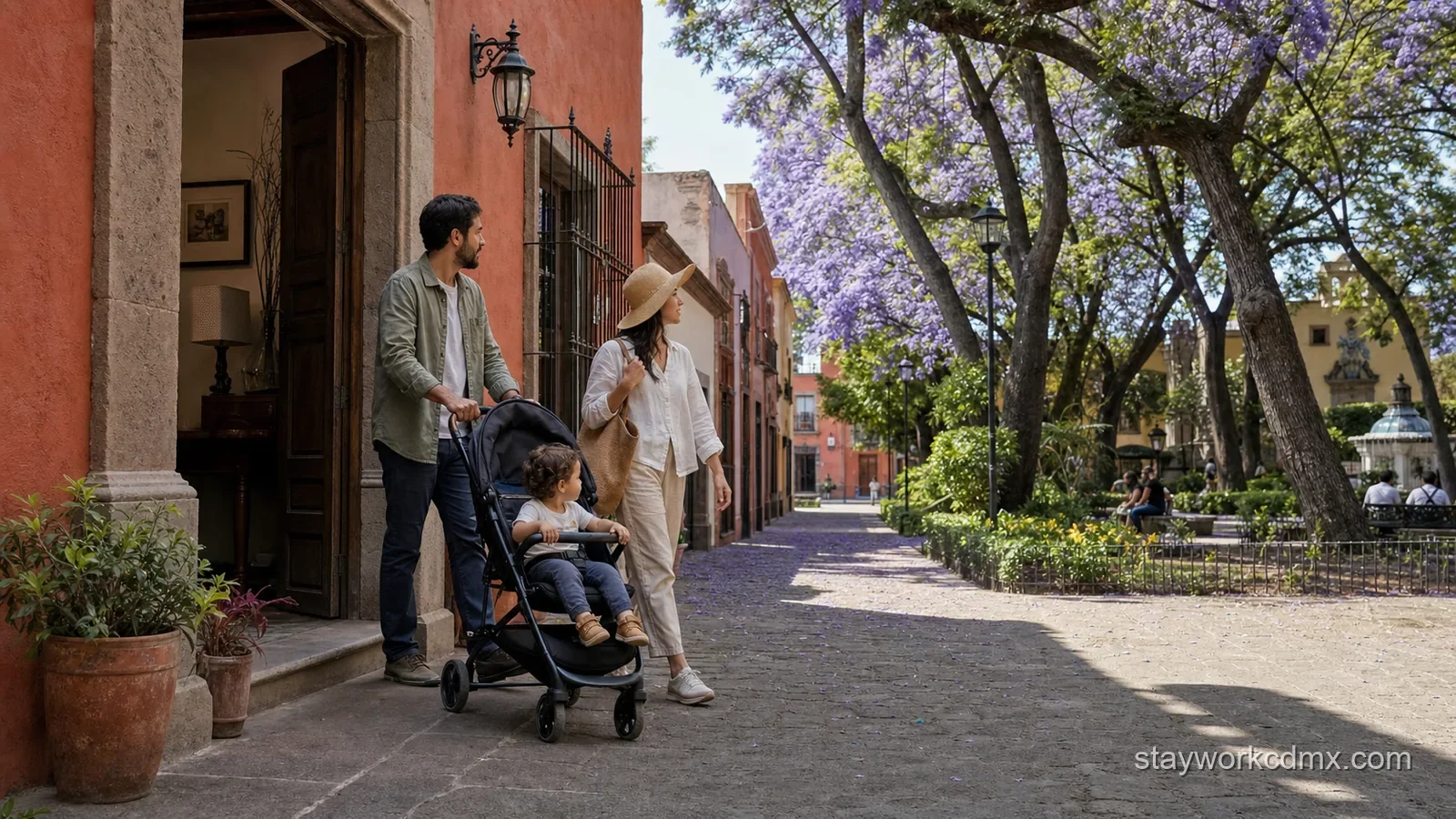
Polanco is CDMX’s luxury neighborhood, with designer shopping on Avenida Presidente Masaryk, high-end restaurants, and Chapultepec’s museums next door. Streets are calm and very clean, and the price reflects it.
Best for: upscale stays, luxury shopping, travelers who want polish and quiet. Watch for: the highest price tier, and its elegant, residential streets are less “fun” to walk than Roma’s. Safety: among the safest neighborhoods in the city. Price: $2,400–$5,000 MXN per night for a one-bedroom, the highest tier in the city. Two-bedrooms in the better buildings run well past $6,000 MXN.
Coyoacán — colonial, cultural, family-friendly
South of the center, Coyoacán feels like a village that the city grew around, with cobblestone streets, plazas, the Frida Kahlo house, weekend markets, and a slower rhythm. It’s a favorite for families and repeat visitors.
Best for: families, culture seekers, travelers who’ve “done” Roma and want something calmer. Watch for: farther from Reforma and the main business districts; budget more time and Uber rides for cross-city trips. Safety: very safe and family-oriented, especially around the historic core. Price: $1,200–$2,400 MXN per night for a one-bedroom, and often more space per peso than anywhere central. Weigh that against the extra Uber budget.
Centro Histórico — history and budget
Centro Histórico has the Zócalo, Bellas Artes, Templo Mayor, and grand old buildings converted into apartments. It’s the best area for pure sightseeing and often the best value, and it’s a transit hub where metro lines converge.
Best for: history-first travelers, budget stays, transit convenience. Watch for: it’s busy, crowded, and louder than Roma or Condesa; quieter at night once the day crowds leave, but pick your block carefully. Safety: fine in the well-trafficked core by day; use standard awareness on emptier streets after dark. Price: $900–$2,000 MXN per night for a one-bedroom, the cheapest central option in the city.
Areas to skip — and listings to scrutinize
Any best-neighborhoods list should also name the places where a cheap nightly rate is cheap for a reason:
- Tepito: skip it, full stop. No vacation-rental savings justify it.
- Doctores and Buenos Aires sit directly east of Roma, so listings there often market themselves as “Roma adjacent.” Daytime is workable, but the nighttime walking experience is a different city. If the pin sits east of Avenida Cuauhtémoc, price that into your decision.
- In Centro Histórico, the well-trafficked core around the Zócalo and Bellas Artes is fine, but blocks toward the perimeter empty out fast after dark. Confirm the exact cross streets, not just “Centro.”
- Listings called “Condesa adjacent” that sit south of Viaducto are in a different set of colonias with different street life. That isn’t necessarily bad, just not what the photos imply.
In all four cases, the neighborhood named on the listing tells you less than its exact cross streets. Ask for them before you pay, and drop the pin in Street View for a two-minute walk around the block.
What a Mexico City vacation rental actually costs
The apartment is the biggest line, but it is rarely more than half the trip. This is a week for two people across three neighborhood tiers, at roughly 17.5 MXN per USD.
| Expense (7 nights, two people) | Budget base (Centro) | Mid base (Roma / Juárez) | Premium base (Polanco) |
|---|---|---|---|
| Apartment | $6,300–$14,000 MXN | $9,800–$22,400 MXN | $16,800–$35,000 MXN |
| Platform service fees (15–20%) | $950–$2,800 MXN | $1,500–$4,500 MXN | $2,500–$7,000 MXN |
| Restaurants and cafés | $5,000–$9,000 MXN | $7,000–$14,000 MXN | $10,000–$22,000 MXN |
| Groceries | $1,000–$2,000 MXN | $1,200–$2,500 MXN | $1,500–$3,000 MXN |
| Uber, Didi, and Metro | $1,200–$2,500 MXN | $1,000–$2,200 MXN | $1,200–$2,800 MXN |
| Museums, tours, day trips | $2,000–$5,000 MXN | $2,000–$5,000 MXN | $2,500–$6,000 MXN |
| Estimated total | $16,450–$35,300 MXN | $22,500–$50,600 MXN | $34,500–$75,800 MXN |
Food and transport both surprise people. Food is elastic in both directions: CDMX runs from $50-peso tacos to $1,200-peso tasting menus, and where you sleep pushes you toward one end. A Polanco base makes the $900 dinner the default; a Centro base makes the $120 comida corrida the default, and both are good meals.
Transport is cheap almost everywhere. Metro rides are $5–6 MXN, and an Uber across the central neighborhoods is usually $80–$180 MXN. Staying in Coyoacán adds real Uber time but not much money. Compare the options in Uber vs Didi in CDMX , and plan the arrival with the CDMX airport transportation guide .
When to visit and when to book
Season moves rental prices in Mexico City more than most travelers expect: the same Roma Norte apartment can swing 40% between September and late December.
| Period | Price level | Notes |
|---|---|---|
| May–early June | Lowest | Warm, dry-ish, good value before the rains settle in |
| September | Lowest | Rainiest month, but afternoon showers only; strong value |
| July–August | Mid | Rainy season, green city, moderate demand |
| February–April | Mid–high | Best weather of the year; Semana Santa spikes |
| Late October (Day of the Dead) | High | Books out 3–4 months ahead across every central neighborhood |
| Mid-December–early January | Highest | Holiday demand plus returning families |
| June–July 2026 (World Cup) | Exceptional | Book 4–6 months ahead; see the World Cup guide |
Book four to six weeks ahead for an ordinary trip, three to four months for Day of the Dead or the December holidays. Day of the Dead in particular catches people out. It is the hardest week of the year to book late, and booking early for Day of the Dead and the World Cup explains why 2026 compounds the problem.
If your trip runs longer than two weeks
Nightly pricing stops making sense somewhere around the two-week mark, and missing that is the most common expensive mistake in Mexico City.
A Roma Norte one-bedroom at $2,000 MXN per night is about $60,000 MXN over 30 nights, and platform service fees push it past $70,000 MXN. The same class of apartment booked as a furnished monthly stay runs $28,000–$42,000 MXN all in, with utilities, Wi-Fi, and cleaning included. That is a difference of $25,000–$40,000 MXN for the identical trip.
The monthly market also sits in different neighborhoods. Roma Norte and Condesa dominate nightly rentals, but for a month, the residential neighborhoods usually win on both value and livability:
| Neighborhood | Furnished 1BR per month | Why it works for a longer stay |
|---|---|---|
| Narvarte | $22,000–$32,000 MXN | Quiet nights, larger units, Roma 10–15 min away — see the Narvarte remote workers guide |
| Del Valle | $23,000–$34,000 MXN | More space, excellent transit — full budget in the Del Valle monthly cost guide |
| Juárez | $26,000–$38,000 MXN | Central and walkable, below Roma pricing |
| Roma Norte | $28,000–$42,000 MXN | Café density if you want the city at the door |
| Condesa | $30,000–$46,000 MXN | Parks and a slower residential rhythm |
If you are planning a month, start with furnished monthly apartments in Mexico City and read the best neighborhoods for remote workers in 2026 , which maps the same city for people staying long enough to have a routine. For the two most common long-stay picks, compare Narvarte furnished monthly apartments and Roma Norte monthly stays , or read Roma Norte vs Condesa for a monthly stay if that is your shortlist.
How to choose in one line
- First trip, want it easy: Roma Norte or Condesa.
- Nightlife and a central base: Roma Norte or Juárez.
- Family or slow-paced: Coyoacán or Condesa.
- Luxury and quiet: Polanco.
- History and budget: Centro Histórico.
- Best value that still feels central: Juárez.
- Staying three weeks or more: Narvarte or Del Valle, booked monthly.
Once you’ve narrowed the area, the next question is length of stay, because a few nights behaves very differently from a few weeks. If your trip runs long, compare Mexico City monthly rentals before you book nightly.
Related reading
- The full planning hub: Mexico City vacation rentals
- Rental or hotel: vacation rental vs hotel in Mexico City
- Roma Norte in depth: short-term rentals in Roma Norte, Mexico City
- Staying a month or more: monthly rentals in Mexico City