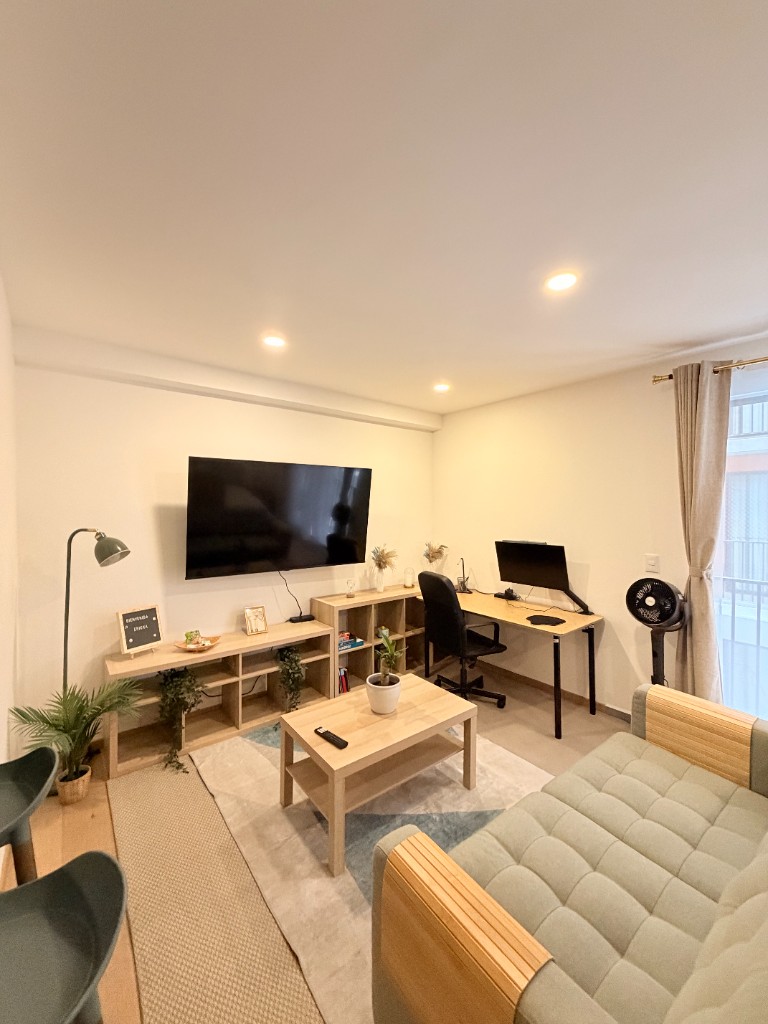
Choosing the right Mexico City neighborhood for remote work in 2026 isn’t just about walkability scores. You also need to know what the place feels like on a Tuesday at 2pm when you’ve been on calls since 9am, need a coffee shop that won’t kick you out, or lose your apartment internet and need a backup in five minutes.
This guide ranks eight CDMX neighborhoods that remote workers seriously consider by how they perform for people who live and work in them for 30 to 90 days: Roma Norte, Condesa, Narvarte, Polanco, Juárez, Escandón, Coyoacán, and Del Valle.
The 2026 FIFA World Cup runs through June and July. It puts extra demand on furnished monthly inventory and pushes costs up 15–25% during peak match windows, so if your stay overlaps with that period, book earlier than you normally would.
Quick Reference: CDMX Neighborhoods at a Glance
| Neighborhood | Monthly Rent Range (USD, furnished 1-bed) | Wi-Fi & Coworking | Safety | Best For |
|---|---|---|---|---|
| Roma Norte | $900 – $1,600 | Excellent | Good | First stays, café workers, social energy |
| Condesa | $1,000 – $1,800 | Good | Good | Parks, calmer rhythm, couples |
| Narvarte | $650 – $950 | Good | Good | Value, work discipline, longer stays |
| Polanco | $1,400 – $3,500 | Good | Very good | Corporate, client-facing, family |
| Juárez | $800 – $1,300 | Moderate | Moderate | Central access, younger crowd |
| Escandón | $600 – $900 | Moderate | Good | Budget, quieter, between Condesa & Roma |
| Coyoacán | $500 – $800 | Limited | Good | Culture, calm, poor transit |
| Del Valle | $550 – $850 | Moderate | Good | Space, local, non-touristy |
Prices are furnished monthly rates for direct-booked apartments as of mid-2026. Platform rates (Airbnb, VRBO) are typically 20–30% higher. Rent is the biggest budget lever, but our cost of living in Mexico City guide for remote workers also breaks down food, transport, coworking, and insurance with complete monthly budget examples.
Roma Norte: The Default Starting Point
Roma Norte is where most first-time CDMX remote workers land, usually for good reason: the neighborhood removes friction fast.
What works:
- Highest density of remote-work-friendly cafés in CDMX; most have outlets, consistent Wi-Fi, and no pressure to leave after an hour. (Our guide to the best coffee shops in Roma Norte for remote work ranks the top options by Wi-Fi speed, outlet availability, and quiet-to-noise ratio.)
- Multiple coworking spaces within a 10-minute walk
- Walkable grocery stores, pharmacies, gyms, laundry services
- Strong English-speaking presence in service businesses
- Dense furnished apartment inventory at various price points
- Easy access to Metrobús and transit to other neighborhoods
What doesn’t work:
- Noise: Roma Norte has active nightlife and street-level energy that doesn’t stop at midnight. Upper-floor apartments or those away from Avenida Álvaro Obregón and Orizaba are quieter, but the neighborhood is never silent.
- Cost: The most expensive furnished monthly stock in the non-Polanco corridor
- Short-stay pressure: A lot of furnished inventory in Roma Norte is also listed as short-term, so monthly availability can tighten, especially around World Cup events in 2026
Monthly furnished apartment cost in Roma Norte: $900 – $1,600 for a studio or 1-bedroom, utilities typically included. Quality work-ready setups (dedicated workspace, fiber, ergonomic chair) usually start around $1,000–$1,200.
Best for: First stays in CDMX, people who want maximum social density and walkability, café-based workers who don’t need deep focus blocks.
For how Roma Norte compares with Polanco, see our Roma Norte vs Polanco work stay guide .
Condesa: Green Space and a Softer Rhythm
Condesa is often described as “Roma Norte but calmer,” and that’s about right. It sits just west of Roma Norte and has a similar street-level character (good restaurants, cafés, walkability), with one big difference: parks.
Parque México and Parque España are good places to start your morning, run, walk, or close your laptop at 5pm, and that matters a lot over a 60- or 90-day stay.
What works:
- Green space that Roma Norte lacks
- Slightly quieter evenings, better for people who need morning focus
- Similar café and coworking density to Roma Norte
- Dog-friendly, couple-friendly, good for people who work long hours and want the neighborhood to feel like recovery
- Good furnished inventory, though smaller in volume than Roma Norte
What doesn’t work:
- Comparable or slightly higher costs to Roma Norte for equivalent setups
- Less walkable nightlife (a pro or con depending on your priorities)
- Furnished monthly stock is tighter; book further in advance
Monthly furnished apartment cost in Condesa: $1,000 – $1,800 for a 1-bedroom, depending on building and floor.
Best for: Remote workers who prioritize outdoor routine, couples, anyone who needs the neighborhood to support calm mornings.
If your shortlist comes down to these two, the Roma Norte vs Condesa monthly-stay comparison shows where the money, the noise, and the park time differ over a month.
Narvarte: The Underrated Work Neighborhood
Narvarte doesn’t make travel content shortlists, which is partly why it works so well for a serious 30-to-90-day stay.
It’s residential, calmer, and almost always 30–40% cheaper than Roma Norte for comparable apartment quality. The cafés are fewer but perfectly functional, and the neighborhood has strong transit connections and easy grocery access. Most people who dismiss Narvarte after two days in Roma Norte regret it by month two, once the novelty of the social density has worn off and the noise is just noise.
What works:
- Best price-to-quality ratio for furnished monthly apartments in central CDMX
- Quieter streets, better for calls and deep focus
- Good local market (El Mercado de la Narvarte) and supermarkets
- More residential inventory, which means larger apartments and better kitchens
- Strong furnished monthly supply; less competition with short-stay platforms
- Excellent base for people with medical needs: Narvarte borders the Centro Médico Nacional Siglo XXI complex, one of the largest medical centers in Latin America
What doesn’t work:
- Lower café density than Roma Norte, so you’ll need to travel for the best work café setups
- Less social energy if that’s what you’re looking for
- Feels less “exciting” as a first base in a new city
Monthly furnished apartment cost in Narvarte: $650 – $950 for a studio or 1-bedroom, utilities typically included. Arguably the strongest value tier in the CDMX furnished market.
Best for: Longer stays (60–90 days), remote workers with demanding schedules who need quiet evenings, couples, anyone whose apartment needs to support cooking and focused work rather than just sleeping between outings. For a full profile of the neighborhood (cafés, market, transit, monthly costs), see our Narvarte guide for remote workers .
For a complete breakdown of what you pay and what you get by neighborhood, see our apartments for rent in Mexico City monthly guide .
Polanco: Corporate and Premium Stays
Polanco is the business district’s residential arm, with premium buildings, private security, embassies, high-end hotels, and one of the best museum clusters in Latin America (Museo Soumaya, Museo Jumex, and easy Chapultepec access).
Remote workers who need Polanco usually know it: they’re working on a corporate housing allowance, attending meetings in the Reforma corridor, traveling with family, or want the cleanest, most secure version of CDMX life.
What works:
- Premium building quality across the board
- Very high safety perception and visibility
- Strong restaurant scene (high-end and international)
- Closer to Chapultepec park and major cultural institutions
- Factura-ready inventory for corporate billing is easier to find here
What doesn’t work:
- Significantly higher cost than Roma Norte and Condesa
- Fewer walkable independent cafés; the work café culture is weaker
- Further from the Roma Norte / Condesa social core
- Can feel isolated for solo remote workers without a reason to be there
Monthly furnished apartment cost in Polanco: $1,400 – $3,500 for a 1-bedroom, depending heavily on the building. Corporate suites run higher.
Best for: Corporate stays, family relocations, client-facing professionals, anyone for whom security perception and premium infrastructure justify the cost.
Juárez: Central, Underrated, Diverse
Juárez sits between Roma Norte and the Paseo de la Reforma financial corridor and is worth considering if central access to multiple areas matters more than neighborhood-specific character. It has a large LGBTQ+ community, a developing café and restaurant scene, and generally lower prices than Roma Norte for comparable apartments.
Monthly furnished apartment cost in Juárez: $800 – $1,300 for a 1-bedroom. Safety varies by block; research the specific street before booking.
Best for: Workers with regular meetings in the Reforma or Santa Fe corridors, people who want central CDMX at lower cost, social and nightlife-oriented stays.
Escandón: The In-Between Neighborhood
Escandón connects Condesa and Roma Norte to the west and is a quieter, more local alternative to both. It’s under-visited, has lower prices, and works well as a base if you’re willing to travel 10–15 minutes for your best café or coworking option.
Monthly furnished apartment cost in Escandón: $600 – $900 for a 1-bedroom. Less furnished monthly inventory than Roma Norte or Narvarte.
Best for: Budget-conscious remote workers who don’t mind a less scene-y base; people who found Roma Norte too loud.
Coyoacán: Beautiful, But Check the Transit
Coyoacán is one of the most photogenic neighborhoods in CDMX, with colonial architecture, cobblestone streets, the Frida Kahlo Museum, and excellent local markets. It also sits in the south of the city, with limited direct transit to Roma Norte, Polanco, and the business core.
Coyoacán works well for remote workers with no client meetings who are happy to work from local cafés. If you need to move around the city regularly, the transit is a real source of friction.
Monthly furnished apartment cost in Coyoacán: $500 – $800 for a 1-bedroom. Cheaper than central options; quality of furnished inventory varies.
Best for: Writers, researchers, people who want calm immersion without nightlife; stays where CDMX social density isn’t the point.
Del Valle: Space, Value, Local Living
Del Valle is a large, primarily residential neighborhood just west of Narvarte, across Avenida Universidad. It has almost no tourist infrastructure, which means cheaper apartments, quieter streets, and a very local daily life. Transit access to the rest of the city is decent.
Monthly furnished apartment cost in Del Valle: $550 – $850 for a 1-bedroom. More space per dollar than Roma Norte or Condesa.
Best for: Longer stays on a budget; people who have been to CDMX before and don’t need the first-month orientation that Roma Norte provides. For the full line-by-line budget (rent bands, groceries, transit, internet plans), see the Del Valle monthly cost and routine breakdown for remote workers .
How to Choose: Decision Framework for Remote Workers
Pick Roma Norte if: You want friction removed immediately: you’ll find your work café in a day and your grocery store in two, and you’ll meet other remote workers without trying. It’s the best first month in CDMX.
Pick Condesa if: You want Roma Norte’s energy with morning walks and parks. You’re a runner, you travel with a partner or a dog, or you want the neighborhood to support recovery.
Pick Narvarte if: You’ve been to CDMX before, your job demands real focus, or you’re staying 60 to 90 days and want better value, more space, and a calmer baseline.
Pick Polanco if: You’re on a corporate housing allowance, you have regular client meetings in Reforma, or you’re traveling with family and security is a primary factor.
Pick Juárez if: You want central CDMX at Roma Norte quality but lower prices, and you’re comfortable doing a bit more street-level research before booking.
Once you’ve narrowed it to one or two neighborhoods, the next constraint is availability on your actual dates: book direct to compare furnished monthly stock without platform markup.

Wi-Fi and Coworking: What to Expect by Neighborhood
| Neighborhood | Home Wi-Fi Availability | Café Wi-Fi Quality | Coworking Options |
|---|---|---|---|
| Roma Norte | Fiber widely available | Excellent | Multiple within 10 min walk |
| Condesa | Fiber widely available | Good | Several options |
| Narvarte | Fiber available | Moderate (fewer cafés) | Limited within neighborhood |
| Polanco | Fiber widely available | Good (fewer indie cafés) | Corporate-oriented |
| Juárez | Fiber available | Moderate | Growing |
| Escandón | Variable | Limited | Few |
| Coyoacán | Variable | Good in specific spots | Very limited |
| Del Valle | Fiber available | Moderate | Very limited |
For apartment-based work, fiber internet is the standard in Roma Norte, Condesa, and Polanco. In Narvarte, most quality monthly furnished apartments have it, but confirm before booking.
Safety: Honest Assessment by Neighborhood
CDMX is a large city, and safety varies by neighborhood, time of day, and street. The ratings below are calibrated for daytime walking and evening restaurant trips, not late-night walks alone in unfamiliar areas.
Lowest concern: Polanco, Roma Norte (most of it), Condesa, Narvarte Moderate (know your specific streets): Juárez, Escandón, Del Valle Fine but requires more orientation: Coyoacán, Centro Histórico
No neighborhood in this guide is genuinely dangerous for normal daily activity. The usual big-city rules apply: stay aware of your surroundings, don’t flash expensive equipment, use Uber or Didi at night rather than walking unfamiliar streets. For getting around the city safely and cheaply, see our Uber vs Didi CDMX comparison .
For monthly stays
Still deciding between Roma Norte and Narvarte?
Frequently Asked Questions
Which Mexico City neighborhood is best for a first-time remote worker? Roma Norte. It removes the most friction the fastest: high café density, clear coworking options, walkable errands, and the highest chance of meeting other remote workers without effort.
Is Narvarte safe? Yes. Narvarte is a well-established residential neighborhood with low street crime relative to the city average. It’s quieter than Roma Norte but not isolated.
Which neighborhood is cheapest for a furnished monthly apartment? Coyoacán and Del Valle have the lowest prices, but both have transit trade-offs. For furnished monthly apartments with good infrastructure and central access, Narvarte is the best value.
How do I know if the Wi-Fi in a furnished apartment is actually fast enough for remote work? Ask the operator for a recent Speedtest screenshot (speedtest.net). For reliable video calls, you need at least 50 Mbps download and 20 Mbps upload. For large file transfers or streaming, 100 Mbps+ is comfortable.
What’s the best neighborhood for stays during the FIFA World Cup 2026? Book anywhere by April-May 2026 for stays in June-July. Roma Norte and Condesa will be the tightest. Narvarte and Escandón will have more availability.
Do I need to speak Spanish to live in Roma Norte or Condesa? Not fluently, but basic Spanish makes daily life much smoother. Most service businesses in Roma Norte and Condesa have English-speaking staff. Outside those neighborhoods, Spanish becomes more important.
StayWork CDMX rents work-ready furnished apartments in Roma Norte and Narvarte, booked direct with no platform fees. For current availability, pricing by neighborhood, and workspace setup details, see our monthly apartments page or visit our full FAQ .